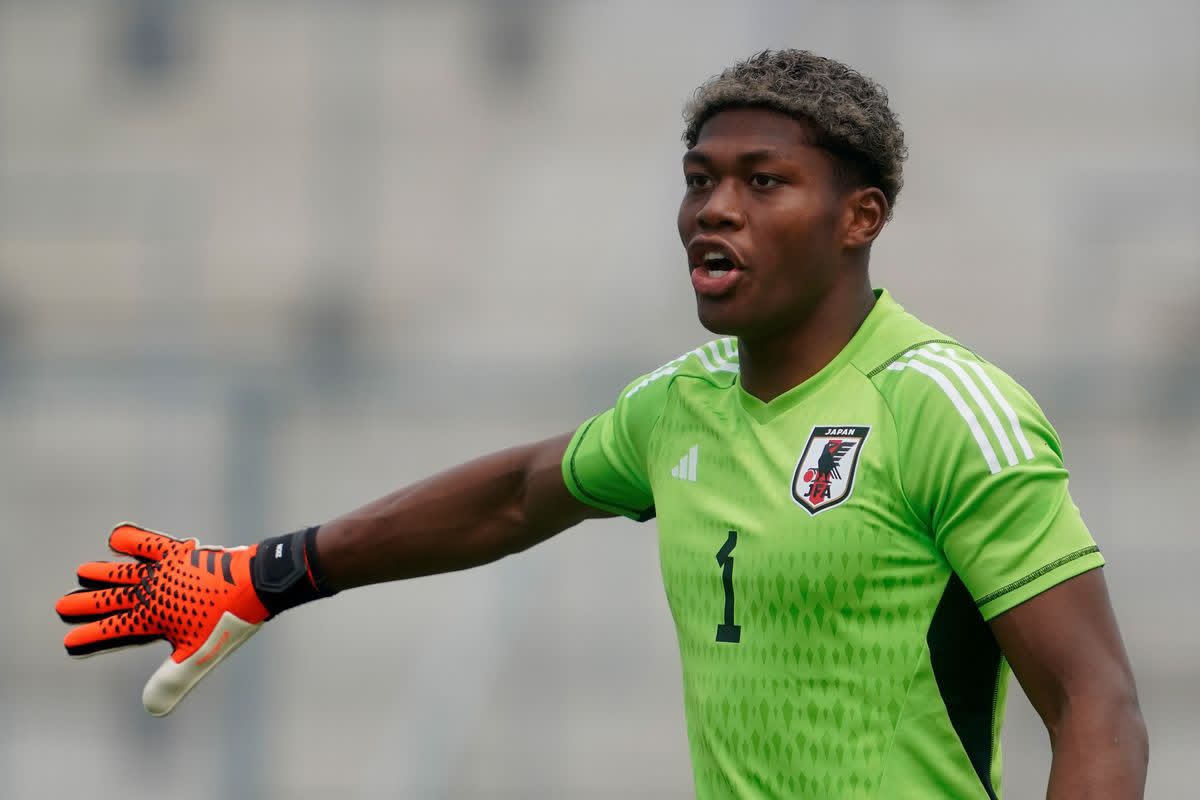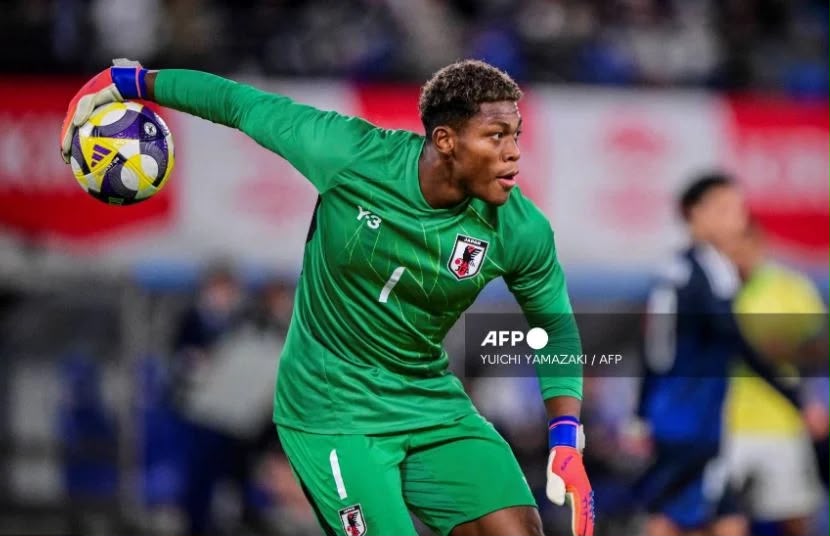


FIFA is cracking down on one of football’s most controversial time-wasting tactics ahead of the 2026 World Cup. Players at the tournament will be stopped from going to the technical area to talk to coaches when goalkeepers are injured, FIFA referees’ chief Pierluigi Collina has revealed.
The “goalkeeper tactical timeout” which has become a hot topic in recent years, used by managers to deliver new instructions to players or to disrupt the momentum of the opposition with the goalkeeper sitting on the turf, signaling for the physio, while outfield players rush to the touchline for a team talk, only for the keeper to miraculously recover once the coach has finished speaking.
Collina made clear that all 48 nations have been put on notice, saying referees will be proactive in enforcing the measure.
“They will not allow the two teams to go to the benches when a goalkeeper is lying on the ground injured,” he said, adding bluntly: “The goalkeeper has the right to be injured, but the players do not have the right to leave the field of play to have a sort of timeout with their respective coaches.”
The rule mirrors a measure already introduced by the National Women’s Soccer League in the United States, which requires players of both teams to stay where they are or gather in the center circle when a goalkeeper is injured.
The issue gained widespread attention last November when Leeds United boss Daniel Farke accused Manchester City goalkeeper Gianluigi Donnarumma of feigning injury to “bend the rules” and break up play.
The measure is tournament-specific rather than a permanent law change, and a series of trials across various leagues has been invited for the 2026-27 season to find a longer-term solution.
The International Football Association Board (IFAB) has also approved a separate change to VAR protocol, allowing reviews of attacking fouls that occur before the ball is in play another step toward improving the accuracy of key decisions at the biggest stage in world football.
For now, referees will handle violations without yellow cards or other disciplinary action, relying instead on proactive intervention to keep the tactic in check.