
Nigeria is once again confronted with a constitutional question that should ordinarily admit of little ambiguity: who exercises the functions of the President when the President proceeds on vacation? President Bola Ahmed Tinubu departed Nigeria on August 30, 2026, for what the Presidency officially announced as a three-week vacation in Europe as part of his annual leave. That three-week period has now elapsed, and the Presidency has confirmed that his stay abroad has been extended by a few more days.
The issue before Nigerians is therefore not merely whether the President can communicate with government officials from London or Paris, nor whether modern technology enables him to issue instructions from anywhere in the world. The more fundamental question is whether the constitutional procedure governing a President proceeding on vacation has been complied with. Nigeria is governed by a written Constitution, and constitutional provisions cannot simply be substituted with administrative convenience or technological advancement.
Section 145(1) of the Constitution of the Federal Republic of Nigeria 1999, as amended, provides that whenever the President is proceeding on vacation or is otherwise unable to discharge the functions of his office, he shall transmit a written declaration to the President of the Senate and the Speaker of the House of Representatives. Upon such transmission, the Vice President performs the functions of the President as Acting President until a contrary declaration is transmitted.
More significantly in the present circumstances, Section 145(2) provides a constitutional remedy where the President is unable or fails to transmit that declaration within 21 days. In such circumstances, the National Assembly is empowered, by a simple majority resolution of each chamber, to mandate the Vice President to perform the functions of the President as Acting President until the President formally communicates his availability to resume those functions. This 21-day provision was introduced through the First Alteration to the Constitution in 2010.
President Tinubu left Nigeria on August 30. His originally announced three-week vacation therefore ran through approximately September 20. On September 21, the Presidency announced that the President had extended his working vacation by “a few days” and would return at the weekend. As of September 23, his absence has consequently gone beyond the 21-day period contemplated by Section 145(2).
This raises a straightforward question deserving a straightforward answer: was the written declaration contemplated by Section 145 transmitted to the President of the Senate and the Speaker of the House of Representatives? If such a letter exists, Nigerians should be informed accordingly and the constitutional position clarified. If no such declaration was transmitted, then the role assigned to the National Assembly under Section 145(2) becomes an unavoidable subject of legitimate constitutional scrutiny.
The Presidency has taken a different position. It maintains that President Tinubu remains in touch with officials at home and continues to direct the affairs of the nation from abroad. Senate President Godswill Akpabio has similarly argued that there is no vacancy or leadership vacuum, saying that the President remains in power and is capable of giving instructions from overseas. But that response does not, in my view, resolve the central constitutional question. The Constitution speaks specifically about what should occur when the President proceeds on vacation; it does not make its operation dependent upon whether telephone calls, emails or internet communications remain available.
The situation has become even more constitutionally significant because Vice President Kashim Shettima is himself outside Nigeria, representing the country at the 81st United Nations General Assembly in New York. The Presidency confirmed that the Vice President departed Abuja on September 20 for that assignment. The physical absence of both men does not by itself mean that their offices are vacant, but it inevitably heightens public concern about clarity in the exercise of executive authority.
It is equally important to avoid creating another constitutional misconception. The Senate President does not automatically become Acting President merely because the President and Vice President are simultaneously outside Nigeria. Section 146 provides for a different circumstance involving an actual vacancy in the offices. Foreign travel is not synonymous with a vacancy in office. What Nigerians are entitled to demand, however, is certainty about who is constitutionally exercising presidential functions and under what authority.
This controversy is therefore bigger than President Tinubu, Vice President Shettima or Senate President Akpabio. It concerns institutional discipline and fidelity to the Constitution. Constitutional provisions exist precisely so that the functioning of the state does not depend upon assumptions, personalities or political convenience. Once governments begin treating clear constitutional procedures as optional, dangerous precedents are created for future administrations.
Nigeria’s democratic history should have taught us the dangers of uncertainty surrounding presidential authority. Indeed, the 21-day safeguard now contained in Section 145(2) emerged from constitutional reform following earlier national experience with prolonged presidential absence. The intention is clear: Nigeria should never again be left debating indefinitely who possesses the authority to discharge the functions of the Presidency.
The National Assembly and the Presidency therefore owe Nigerians clarity. If the constitutionally required declaration was transmitted, its existence should be confirmed and the status of the Vice President’s authority explained. If it was not transmitted within the constitutionally prescribed period, the National Assembly should publicly explain its understanding of its responsibility under Section 145(2). Constitutional government thrives not on silence or convenience, but on transparency, accountability and obedience to established law. Nigeria is too important, and the Presidency too sacred an institution, for questions about the lawful exercise of executive authority to be left unanswered.
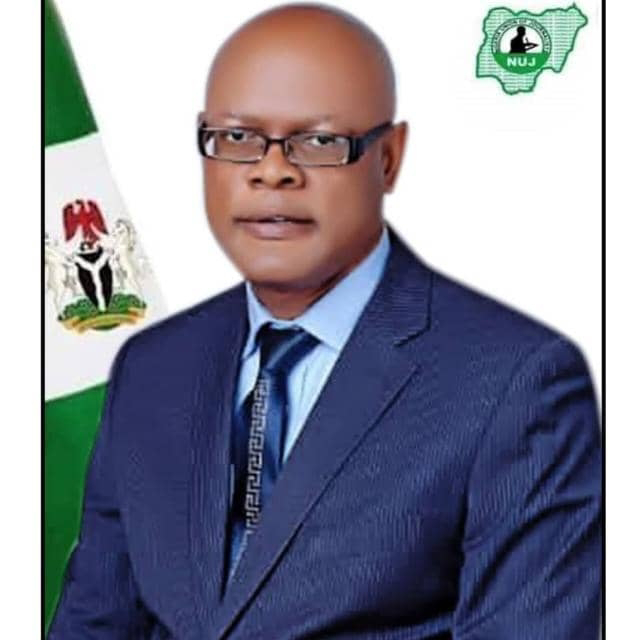
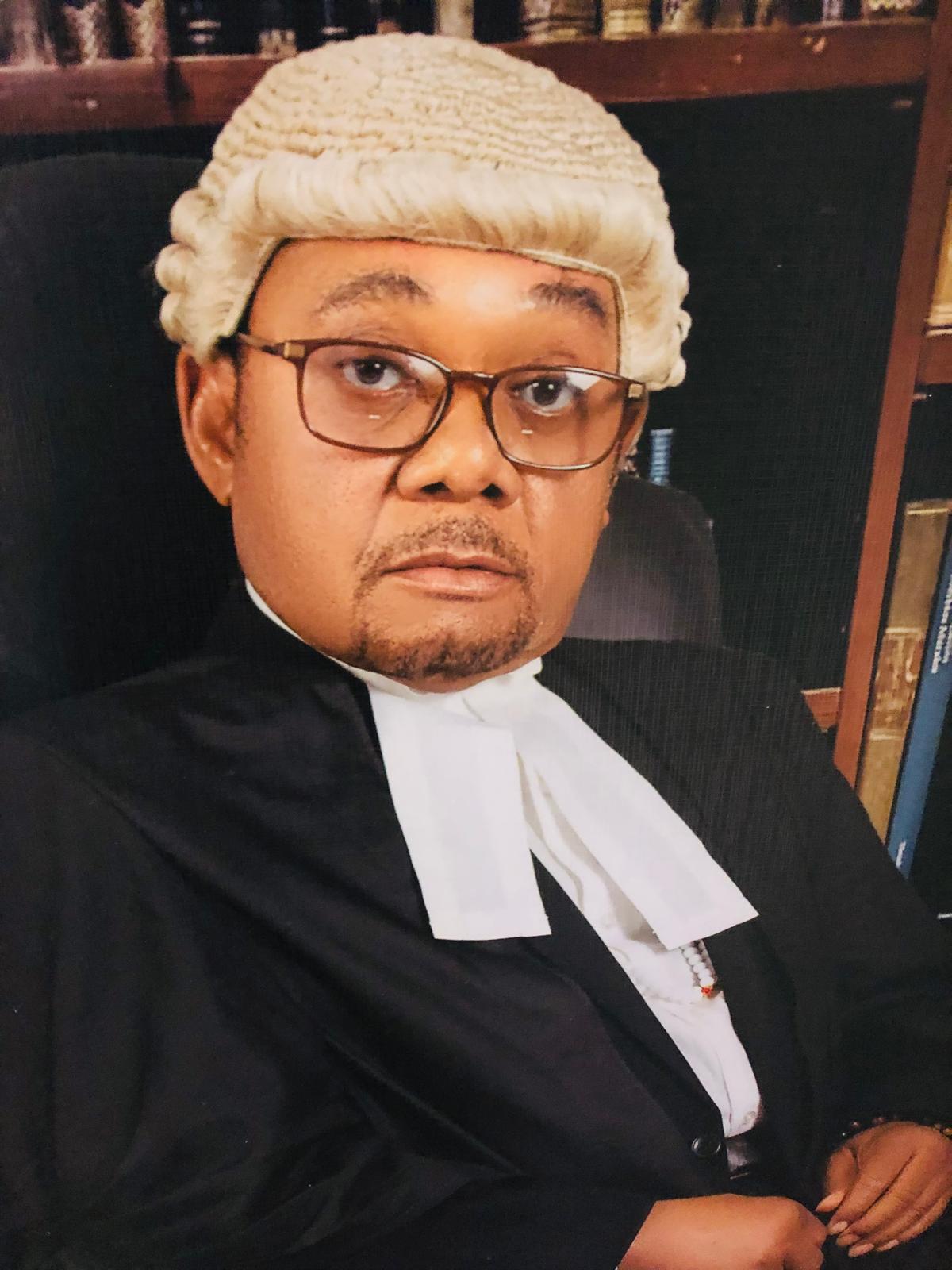
Dr Peter D’Rock Uwaibi, Esq., writes from London. He is a veteran journalist with over four decades of experience.
Most Viewed Posts
- Supporting Siminalayi Fubara: Why Rivers People Deserve Continuity Of Purpose In 2027 – Dr William Omuna
- President Tinubu’s Achievements That Strengthen Case For Second Term – Amuna
- William Omuna Declares Bid For Rivers East Senate, Says It Deserves Senator Who Shows Up
- Budget Without Representation: Outrage as Senator Natasha Alleges Institutional Marginalisation – By Darlington Okpebholo Ray
- Praying for Survival: Inside Nigeria’s Unchecked Violence Against Christians — By Darlington Okpebholo Ray