
The Economic and Financial Crimes Commission (EFCC) has come under criticism over its decision to auction seized vehicles through a platform it intends to manage, with the Nigeria Association of Auctioneers warning that the move could undermine transparency, accountability and due process in the disposal of forfeited assets.
The concerns were raised on Tuesday, July 28, 2026, as the association accused the anti graft agency of assuming conflicting roles by investigating financial crimes, seizing assets, retaining custody of them and subsequently conducting their sale.
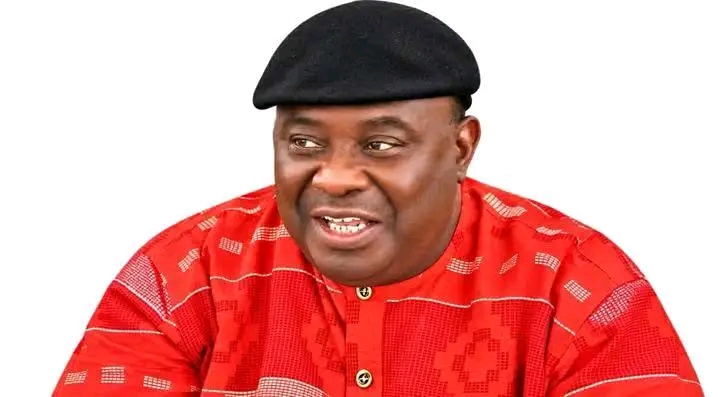
Speaking in an interview, the President of the Nigeria Association of Auctioneers, Benjamin Isibor, argued that the commission lacked the legal authority to function as both custodian and seller of recovered assets.
He recalled that the association had opposed a similar proposal during the tenure of former EFCC Chairman Ibrahim Magu.
“The EFCC is now trying to act as a custodian and seller of assets, which is totally unlawful. This same issue happened during former EFCC Chairman Ibrahim Magu. Magu said he was going to bring in foreigners to sell these assets, but it was stopped after our outcry.
“Now, this same thing is about to happen in another way. The EFCC are the ones who prosecute, seize these assets and now want to play as custodian of the assets. They have seized these items as proceeds of crime, and at the same time, they still want to be the ones to set up platforms that will sell off these assets.
“We are completely against this process, and it should not be done when there are reputable and certified auctioneers who are on the front line to do this job,” Isibor said.
He maintained that licensed auctioneers are better positioned to guarantee credibility and transparency in the disposal of forfeited assets.
“This is exactly our position. We will stand in the gap for our government and the general public to ensure that the process is seamless and transparent,” he added.
Although the association said it had yet to determine the exact number of vehicles proposed for the auction, it noted that the EFCC recently took possession of several vehicles linked to businesswoman Aisha Achimugu as part of an ongoing investigation.
According to the association, the recovered luxury vehicles are believed to be worth several billions of naira, although the EFCC has not officially disclosed their value or confirmed whether they will all be included in the planned auction.
Isibor also questioned the commission’s decision to establish its own auction platform despite previously engaging licensed auctioneers to build digital auction portals.
“We don’t know the number of cars they want to auction, but we have handled this process with them before. They engaged auctioneers who invested heavily in building portals and systems for the exercise.
“It is surprising that after committing people to spend resources, the EFCC is now saying it wants to do it by itself. That is illegal,” he said.
He further argued that the proposed arrangement violates existing legal provisions governing the disposal of forfeited assets.
“It is against the principles of natural justice. It is against the law, the Due Process Act and even the Proceeds of Crime Act. None of these laws says the commission should conduct the sale by itself. That is our concern,” he stated.
The association also questioned why previous contractual arrangements with auctioneers appeared to have been abandoned without explanation.
“We saw the advert for the auction, and we are concerned as stakeholders that due process must be followed irrespective of whose ox is gored. The agency that should protect the law should not be the one violating it,” Isibor added.
Also speaking, a former National President of the association, Alhaji Musa Kurra, said concerns had already been raised within the auctioneering industry over the proposed exercise.
“Yes, I have heard complaints about the latest auction announced by the EFCC. In everything, there will always be people trying to circumvent established procedures for personal interest,” he said.
The EFCC has over the years disposed of forfeited assets, including houses, vessels and vehicles, through public auctions conducted by licensed auctioneers after obtaining final forfeiture orders from the courts. The exercise is intended to prevent recovered assets from deteriorating while ensuring that proceeds are remitted to the Federal Government.
The latest dispute, however, centres on whether the anti graft agency should directly manage the auction process or continue to rely on independent, licensed auctioneers in line with procurement regulations and established asset disposal procedures.
As of the time this report was filed, the EFCC had not responded to the concerns raised by the Nigeria Association of Auctioneers. Efforts to reach the commission’s spokesperson, Dele Oyewale, were unsuccessful, as calls, text messages and WhatsApp messages sent to him had not been answered.