

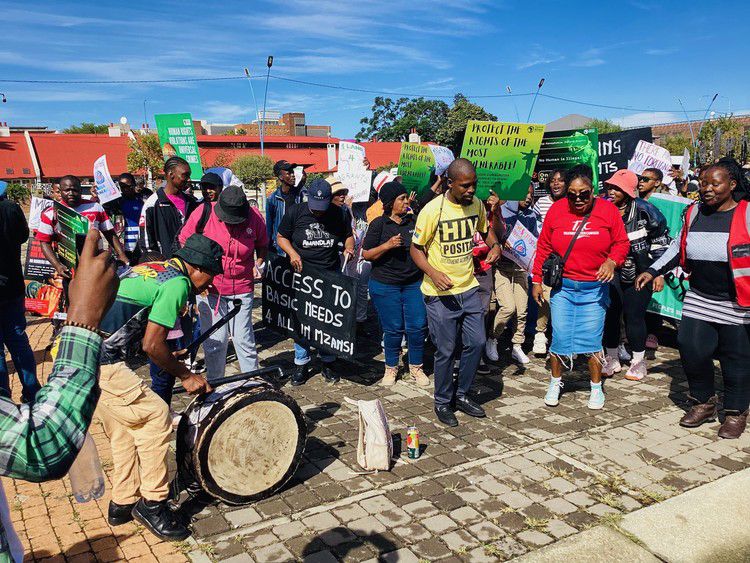
Fresh tensions are building across South Africa as groups of local residents move to shut down businesses owned by black foreign nationals, raising concerns over a resurgence of xenophobic actions and a breakdown of law enforcement authority.

Reports indicate that in several communities, including parts of Johannesburg, Durban and Mthatha, locals have been forcing foreign shop owners to close operations while demanding proof of legal residency.

Many of the affected businesses are run by nationals from other African countries, including Nigerians, Zimbabweans and Somalis, who dominate segments of the informal retail sector. Witnesses say groups of youths and community members have been going shop to shop, insisting that foreigners produce valid immigration documents or vacate the area.
The development has raised questions about why civilians, rather than security agencies, are taking on immigration enforcement. Analysts say the trend reflects a growing loss of confidence in state institutions, particularly the police and immigration authorities. Residents in affected communities argue that authorities have failed to address illegal immigration and economic pressures, prompting them to take matters into their own hands.
High unemployment remains a major trigger. Labour experts note that with joblessness persistently high among young South Africans, many locals accuse foreign nationals of taking scarce jobs and controlling township economies, a claim often disputed by economists and rights groups.
The situation is further intensified by the activities of anti-immigration groups such as Operation Dudula, which has encouraged communities to identify and remove undocumented migrants. Critics say such actions amount to vigilantism and ethnic profiling.
There has been no comprehensive nationwide response from authorities, although previous incidents of a similar nature have drawn condemnation from the government. Security experts warn that allowing civilians to check immigration status undermines the rule of law and could escalate into violence, recalling past outbreaks of xenophobic attacks that led to deaths, looting and displacement.
Human rights organisations have condemned the development, describing it as discriminatory and dangerous, while urging authorities to intervene and protect vulnerable groups.
Observers say the unrest reflects deeper structural problems, including inequality, poverty and frustration with governance. Rather than addressing these root causes, migrants are increasingly being blamed for economic hardship and crime.
The ongoing clampdown on foreign owned businesses highlights rising social tension and weakening trust in state institutions, with warnings that the situation could deteriorate further if urgent steps are not taken.