
Lebanon is expected to enter discussions with Israel in the coming days, as efforts grow to contain ongoing violence despite significant political and security challenges.
The push for dialogue comes after Joseph Aoun renewed calls for engagement with Israel following weeks of escalating clashes that have caused widespread displacement and destruction across parts of the country.
Israeli Prime Minister Benjamin Netanyahu has indicated readiness for talks, with officials from both sides anticipated to meet soon. The timing, however, remains uncertain.
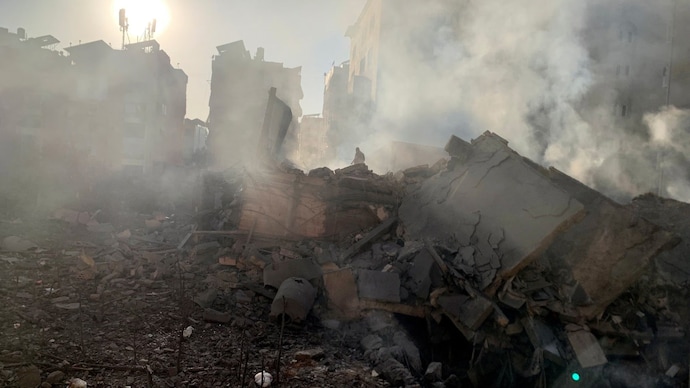
The development follows a surge in hostilities, including large-scale Israeli strikes that resulted in heavy casualties, marking one of the most intense periods of the conflict in recent times.
A key issue expected to dominate discussions is the status of Hezbollah, which continues to engage in cross-border fighting. Israel has maintained that any long-term arrangement would require the group to be disarmed, an outcome widely viewed as difficult under current conditions.
Lebanese authorities face internal constraints, with concerns that any attempt to confront Hezbollah directly could deepen domestic instability. At the same time, divisions within the country’s political system continue to complicate decision-making.
Public confidence in state institutions remains low following years of economic hardship and governance challenges, further weakening Lebanon’s negotiating position.
While the planned talks signal a potential diplomatic opening, uncertainty surrounding key issues suggests that achieving a lasting agreement may prove difficult in the near term.