
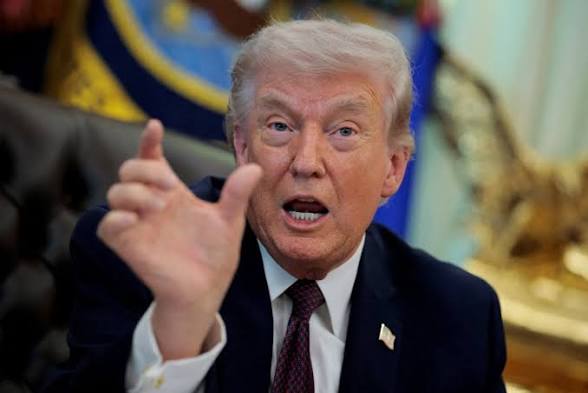
United States President Donald Trump has signed an executive order aimed at regulating collegiate sports, following recent rule changes that allow student-athletes to earn financial compensation. The directive was signed on April 3, 2026, as authorities move to address growing concerns over fairness and financial sustainability in college athletics.
The order, Trump’s second intervention in college sports, directs the National Collegiate Athletic Association (NCAA) to establish rules limiting athletes’ participation to a maximum of five years. It also proposes that athletes be allowed to transfer schools only once before graduation without being required to sit out a season.
Under the new measures, set to take effect from August 1, institutions that fail to comply risk losing federal funding. The order also calls for stricter oversight of financial arrangements involving athletes and urges the United States Congress to enact legislation addressing the evolving landscape of college sports.
Trump criticised the current system, warning that relaxed regulations around eligibility, transfers, and compensation have triggered what he described as an “out-of-control financial arms race,” placing financial strain on universities.
The announcement coincided with the closing stages of the NCAA basketball tournaments, with the women’s semi-finals held on Friday and the men’s Final Four scheduled for Saturday. It follows a previous directive issued in July 2025, which sought to limit third-party recruitment payments in major college sports such as football and men’s basketball, in a bid to protect funding for women’s and non-revenue sports.
The policy push comes amid growing debate over name, image, and likeness (NIL) deals, which have significantly increased earnings for athletes in high-profile sports. These changes stem from a landmark 2021 ruling by the Supreme Court of the United States that paved the way for college athletes to receive compensation. According to an AFP report, the administration argues that the rapid commercialisation of college sports is forcing some institutions to cut funding for other programmes, including Olympic pipeline sports such as athletics, swimming, and gymnastics.