

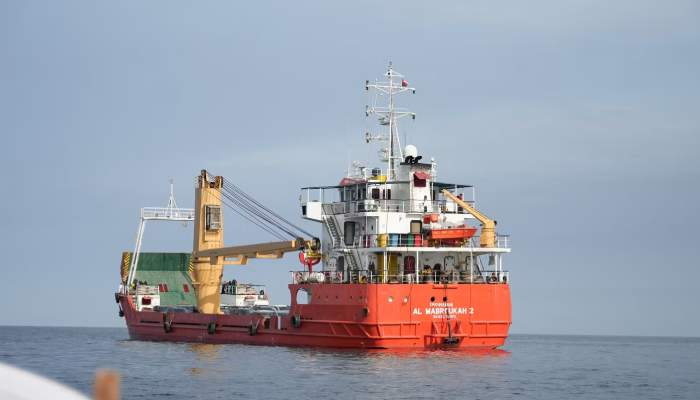
The United States has begun enforcing a maritime blockade targeting vessels leaving Iranian ports, marking a sharp escalation in already high tensions between Washington and Tehran.
President Donald Trump confirmed the operation on Monday,13 April 2026, saying it follows the collapse of recent negotiations in Islamabad aimed at reaching a diplomatic settlement. The move comes amid growing instability in the Gulf region and rising concerns over global energy supply chains.
Iran has strongly condemned the action, warning that it may respond if its ports or nearby Gulf infrastructure are targeted. Officials in Tehran described the blockade as hostile and accused the US of endangering international maritime security.
Despite the escalation, US officials said communication channels with Iran remain open. A senior US official noted that discussions are still ongoing in an effort to reach an agreement, while Pakistan’s leadership also indicated that diplomatic efforts have not fully ended.
Oil markets reacted immediately to the developments, with prices rising back above $100 per barrel. Traders cited fears of disruption through the Strait of Hormuz, a critical route for global crude shipments.
Several NATO allies, including the United Kingdom and France, stated they would not take part in enforcing the blockade, instead urging that the waterway remain open to international shipping.
Iranian officials warned that any foreign military enforcement in the region could widen the conflict and destabilize energy markets further. The US military said the blockade would be applied to all vessels entering or leaving Iranian ports, while still allowing neutral transit through the Strait for non-Iranian destinations.
Market analysts say uncertainty is likely to persist as investors watch whether the situation escalates further or returns to negotiations.