
UK-Based Political Leaders, Academics and Diaspora Stakeholders Demand Credible Elections, Vow International Collaboration to Protect Nigeria’s Democracy
Report By Darlington Okpebholo Ray | Truth Live News International, London
The United Kingdom chapter of the Obi-Kwankwaso 2027 Diaspora Support Group recorded a significant milestone on Sunday, October 18, 2026, as it successfully convened its inaugural political summit under the theme, “2027 ELECTION: NO TO RIGGING.”
The virtual gathering brought together prominent Nigerian political figures, academics, democracy advocates and members of the Nigerian diaspora to deliberate on the integrity of the country’s electoral system and the urgent necessity of safeguarding the credibility of the 2027 general elections. The summit provided a platform for robust discussions on electoral malpractice, vote buying, political accountability and the collective responsibility of Nigerians, both at home and abroad, to defend the democratic process against manipulation.
The historic engagement attracted speakers from diverse political backgrounds, reflecting a growing concern among Nigerians over the credibility of elections and the implications of electoral irregularities for democratic governance. Participants examined the persistent challenges confronting Nigeria’s electoral institutions, particularly the alleged manipulation of election results, the commercialisation of votes and the erosion of public confidence in the ballot. The gathering also underscored the increasingly important role of Nigerians in the diaspora in shaping political conversations, influencing democratic reforms and mobilising international attention towards the conduct of elections in Africa’s most populous nation.
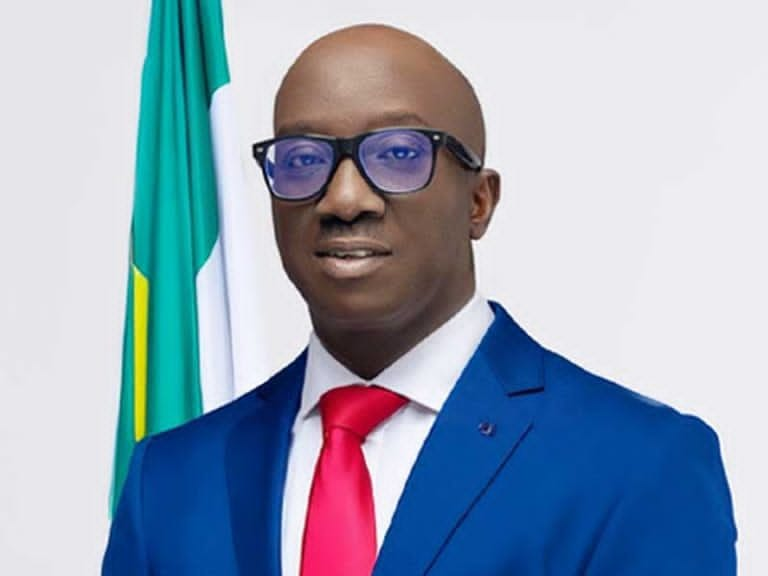
Delivering his keynote address, Hon. Barrister Pascal Ugbome, a former member of the Edo State House of Assembly and former senatorial candidate of the Peoples Democratic Party (PDP), challenged Nigerians to demonstrate greater political consciousness by participating actively in the electoral process. He maintained that the survival of Nigeria’s democracy depends substantially on the willingness of ordinary citizens to exercise their constitutional rights without intimidation, inducement or manipulation. According to him, Nigerians must not only turn out in large numbers to elect candidates of their choice but must equally develop the determination to ensure that their votes are counted and accurately reflected in the final results announced by the electoral authorities.
Ugbome expressed particular concern over the growing menace of vote buying, which he described as one of the most damaging threats to the credibility of Nigeria’s electoral system. He accused sections of the political elite of exploiting the prevailing economic hardship and widespread poverty to compromise vulnerable voters through financial inducements. The former lawmaker argued that the desperation created by economic deprivation has increasingly become a political instrument in the hands of individuals seeking electoral advantage without necessarily enjoying genuine public support. He consequently urged Nigerians to reject the temptation of exchanging their democratic rights for temporary financial gratification, stressing that the consequences of compromised elections extend far beyond the immediate benefits offered to individual voters.
Expanding his argument, the former legislator warned that electoral manipulation should not be viewed merely as an isolated activity occurring on election day. Rather, he explained that the integrity of an election could be compromised at several stages, beginning with voter registration, the compilation and management of the electoral register, the conduct of voting, the collation of results and ultimately the declaration of winners. He therefore called for sustained public vigilance throughout the electoral cycle, particularly among Nigerian youths, whom he urged to assume greater responsibility for protecting the democratic future of their country. Ugbome further advocated the active participation of credible international election observers, insisting that meaningful electoral observation should extend beyond polling day to encompass the broader processes that determine the credibility of election outcomes.
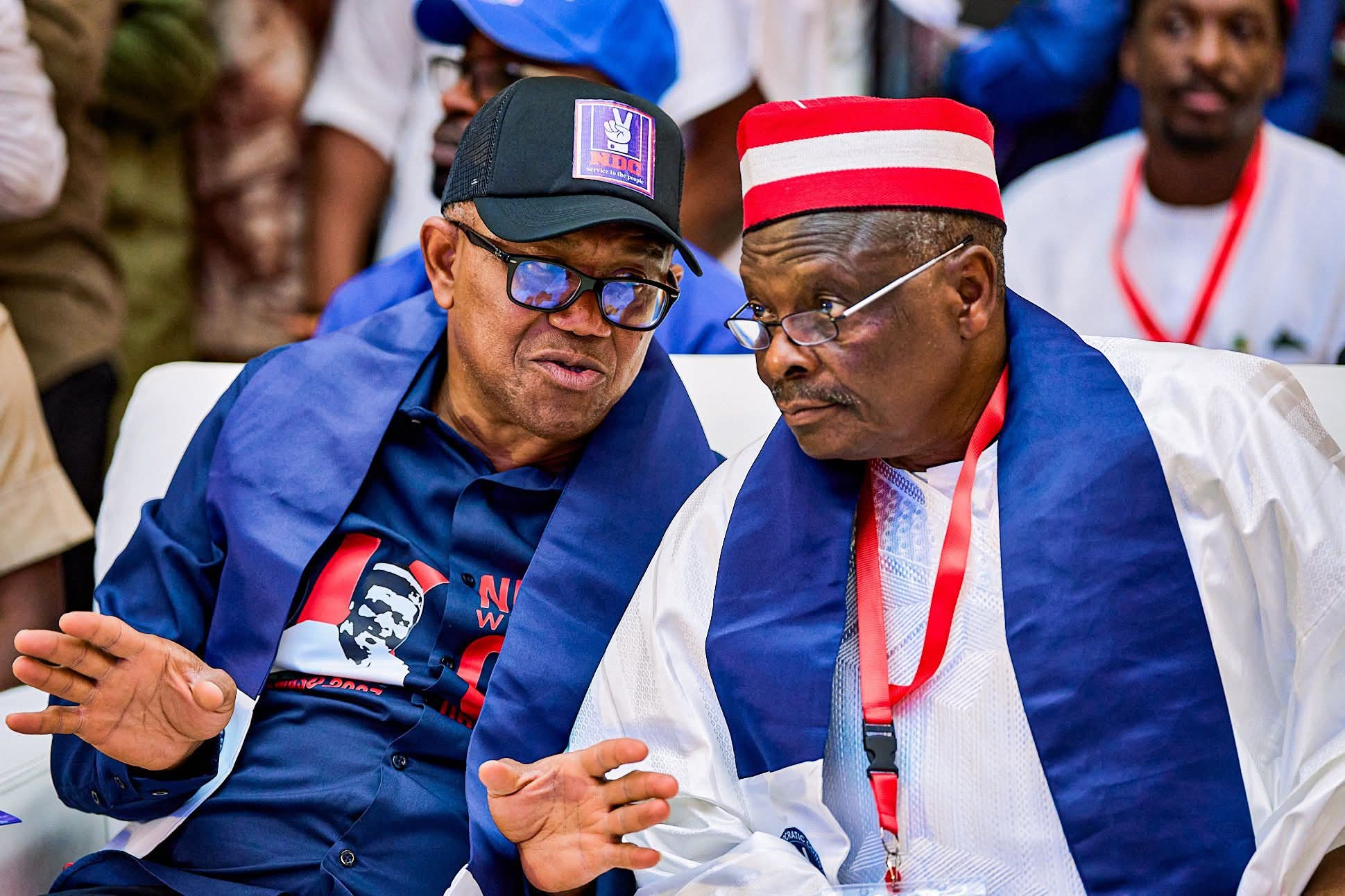
Also addressing the summit was Mr. Oyeyemi Onifade, a member of the National Executive Committee of the Nigeria Democratic Congress (NDC), who spoke extensively on his party’s preparations for the 2027 presidential election and its determination to ensure that the electoral process reflects the genuine wishes of Nigerians. Onifade, who identified the proposed presidential ticket of former Anambra State Governor Peter Obi and former Kano State Governor Senator Rabiu Musa Kwankwaso as central to the party’s political aspirations, expressed confidence in the electoral prospects of the combination. He nevertheless emphasised that political popularity and public acceptance would be meaningless unless the electoral process was sufficiently transparent to guarantee that votes cast by citizens were faithfully recorded and reflected in the eventual outcome.
Speaking from the standpoint of party organisation and electoral preparedness, Onifade disclosed that the NDC intended to strengthen its monitoring arrangements across the various levels of the electoral structure, from polling units and wards to local government areas, states and the national collation process. He explained that effective electoral vigilance requires proper coordination, adequate representation and the systematic monitoring of results at every stage. According to him, the party would work towards ensuring that figures announced at higher collation levels correspond with the votes legitimately recorded at polling units. He maintained that the credibility of the 2027 presidential election would depend not simply on the assurances of electoral officials but on the transparency, accountability and verifiability of the entire process.
The NDC national executive member also appealed directly to Nigerians living abroad to recognise their enormous influence on political developments at home. He encouraged diaspora communities to engage their relatives, friends, professional associates and wider networks in Nigeria in constructive conversations about responsible political participation, electoral integrity and the dangers of political inducement. Onifade argued that Nigerians abroad must move beyond expressing frustration over developments in their homeland and become active contributors to the emergence of credible democratic leadership. He disclosed that he would shortly return to Nigeria to participate in further consultations and strategic engagements with party stakeholders ahead of the forthcoming general elections, expressing optimism that the Obi-Kwankwaso political project could attract substantial nationwide support if the electoral contest was conducted freely and fairly.
Earlier, in his opening remarks, Dr. Peter Costa Uwaibi, Esq., Chairman and Convener of the Obi-Kwankwaso 2027 Diaspora UK Group, delivered a strongly worded assessment of the consequences of electoral manipulation for democratic accountability, national development and institutional stability. Uwaibi argued that the persistent subversion of the people’s electoral choices constitutes one of the greatest obstacles to responsible governance in developing democracies such as Nigeria. He maintained that when political leaders secure public office through questionable electoral processes, the fundamental relationship between government and the governed becomes distorted, creating an environment in which those entrusted with public authority may no longer consider themselves genuinely answerable to the electorate.
According to the diaspora leader, the consequences of compromised elections extend beyond the immediate political contest, often manifesting in poor governance, weakened public institutions, corruption and the systematic exclusion of ordinary citizens from meaningful participation in national affairs. “It is difficult to hold any government that rigged itself into office. They loot without recourse to the people. They see themselves as lords over the people, whereas it should be the other way round,” Uwaibi declared. He argued that political authority derives its legitimacy from the consent of the governed and that any attempt to undermine that consent through electoral manipulation represents a fundamental betrayal of democratic principles. He consequently called for a renewed national commitment to the sanctity of the ballot, stressing that democracy loses its moral foundation when the will of the electorate is deliberately frustrated.
Uwaibi further disclosed that the Obi-Kwankwaso 2027 Diaspora UK organisation had commenced engagements and collaborative discussions with international bodies and institutions in the United Kingdom and the United States as part of broader efforts to promote credible elections in Nigeria. He explained that the initiative was intended to strengthen international awareness, encourage democratic accountability and support lawful mechanisms for observing and scrutinising the electoral process. The chairman maintained that the Nigerian diaspora possesses considerable intellectual, professional and institutional resources that could be deployed towards advancing electoral transparency. He expressed the organisation’s determination to sustain its advocacy through international engagements, public enlightenment and constructive partnerships with individuals and organisations committed to democratic governance.
Beyond the presentations of the principal speakers, the summit witnessed contributions from participants who examined the wider implications of electoral malpractice for Nigeria’s political stability, economic development and international reputation. Contributors expressed concern that repeated controversies surrounding election outcomes have continued to undermine citizens’ confidence in democratic institutions and weaken the legitimacy of political leadership. There was broad agreement among participants that electoral credibility must become a national priority rather than a partisan consideration, with several contributors emphasising that the right of Nigerians to freely determine their leaders should remain inviolable, irrespective of political affiliation, ethnic identity or religious persuasion.
A recurring theme throughout the deliberations was the need to transform public dissatisfaction with electoral irregularities into sustained civic participation and lawful democratic action. Speakers and contributors stressed that credible elections cannot be secured through political declarations alone but require informed citizens, independent institutions, effective electoral safeguards and consistent public scrutiny. Particular attention was drawn to the responsibility of young Nigerians, civil society organisations, political parties, the media and international observers in ensuring that electoral procedures are followed and that allegations of irregularities are subjected to appropriate institutional scrutiny. Participants also acknowledged the importance of political tolerance and respect for opposing viewpoints, maintaining that the credibility of an election should ultimately be measured by the integrity of its processes rather than the identity of the eventual winner.
The successful inaugural summit also signalled the determination of the Obi-Kwankwaso 2027 Diaspora UK leadership to establish a more organised platform for political engagement among Nigerians resident in Britain and other parts of the world. While the organisation continues to advance its support for the proposed Obi-Kwankwaso presidential partnership, the discussions at the summit placed considerable emphasis on the broader democratic principle that elections must be transparent, competitive and reflective of the electorate’s freely expressed choices. The convergence of political figures from different backgrounds further demonstrated the possibility of finding common ground on electoral integrity despite differences in party affiliation and political preferences.
As the deliberations drew to a close, participants reaffirmed their shared conviction that Nigeria’s 2027 general elections must be free, fair, transparent and credible, with the genuine choices of voters respected at every stage of the electoral process. The summit concluded with a renewed call for vigilance, civic responsibility, international engagement and sustained public advocacy against electoral manipulation. For the organisers, the gathering represented more than the formal inauguration of a diaspora political initiative; it marked the beginning of what they hope will become a sustained international campaign for electoral accountability. Their central message was unmistakable: Nigeria’s democratic future must be determined by the freely expressed will of its citizens, not by the manipulation of ballots, the inducement of voters or the subversion of electoral institutions.
© 2026 Truth Live News International | London, United Kingdom