
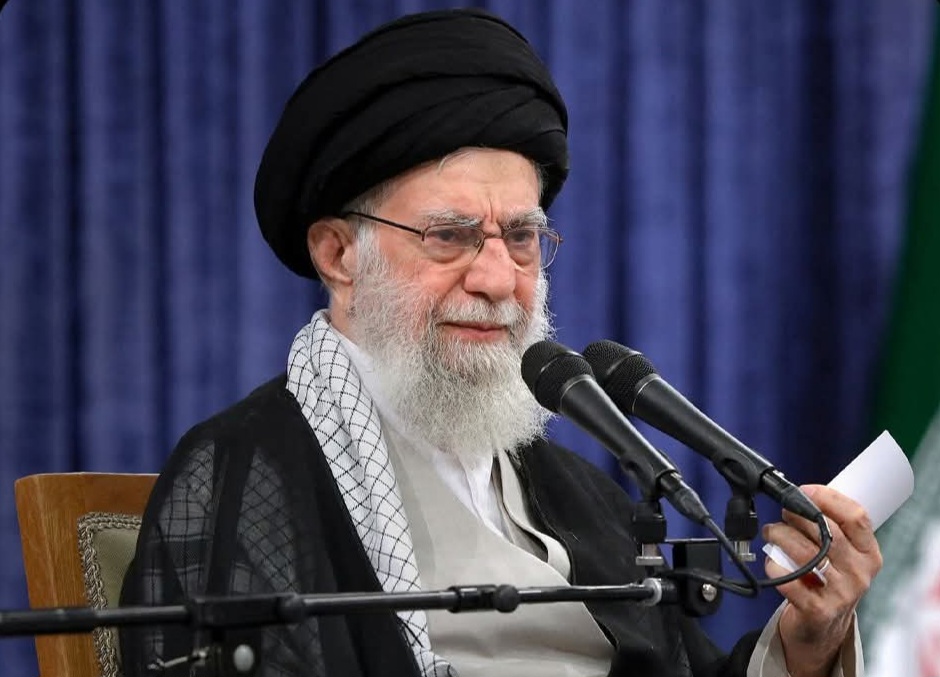
The death of Iran’s Supreme Leader, Ayatollah Ali Khamenei, has triggered deeply polarized responses, with thousands pouring into the streets of Tehran and other cities to mourn, while the Iranian diaspora abroad erupts in jubilation over what many see as the end of decades of repression.
Khamenei, 86, was killed on February 28, 2026, in a joint U.S.-Israeli airstrike on his office compound in Tehran, as confirmed by Iranian state media and announced by U.S. President Donald Trump. The strike is part of an escalating military campaign, prompting Iran to declare a 40-day national mourning period, vow revenge, and launch retaliatory attacks across the region.
Inside Iran, crowds in the thousands have gathered in public squares, including Enghelab Square in Tehran and other cities like Yazd, holding posters of Khamenei, weeping openly, and chanting “Death to America” and “Death to Israel.” State television has broadcast emotional tributes, with announcers visibly breaking down while describing his “martyrdom.” President Masoud Pezeshkian condemned the killing as “a great crime” and declared revenge a “legitimate right.” Footage shows mourners dressed in black, collapsing in grief at shrines and public rallies, underscoring loyalty among regime supporters amid ongoing bombardment.
In contrast, the Iranian diaspora has responded with widespread celebration. In major hubs such as Los Angeles, London, and Melbourne, expatriates have taken to the streets waving pre-1979 Iranian flags, chanting pro-freedom slogans, and expressing hope for regime change. Iranian-Americans marched with posters and “Free Iran” shirts, while social media posts from diaspora users describe Khamenei as “the killer of their dreams and loved ones,” lamenting lost lives and wasted years under his rule.
One Iranian Australian who fled nearly 15 years ago called the moment bittersweet but significant, stating, “We’ve been waiting for this.” Videos show fireworks, music, and dancing in some locations, reflecting joy mixed with disbelief at the sudden turn of events.
These starkly divided reactions highlight enduring fractures within the global Iranian community as an interim leadership council takes over amid uncertainty, continued strikes, and fears of further escalation. The split mirrors broader international responses, from vows of vengeance in Iran to cautious relief or outright celebration elsewhere.