
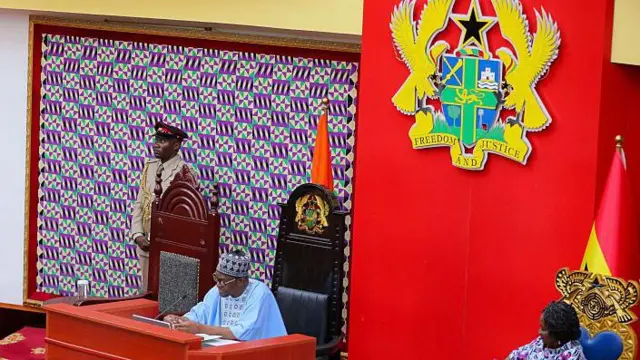
Ghana’s Parliament has approved a new piece of legislation that would significantly expand restrictions on LGBTQ-related activities if it becomes law.
The Human Sexual Rights and Family Values Bill was adopted by lawmakers following recommendations from the parliamentary committee responsible for legal and constitutional affairs. The legislation now awaits the decision of President John Dramani Mahama, whose approval is required before it can take effect.
The proposed law retains existing criminal penalties for same-sex sexual relationships while introducing additional measures targeting activities viewed as supporting or promoting LGBTQ rights and advocacy.
Under the bill, individuals or organisations found to be financing, sponsoring, or encouraging activities prohibited under the legislation could face prison terms. The measure also places a legal obligation on citizens to report suspected violations to authorities, with penalties outlined for those who fail to do so.
Supporters of the bill argue that it reflects cultural and religious values widely held within the country. Religious groups and advocacy organisations backing the legislation have urged the government to complete the process by signing it into law.
The latest development follows an earlier version of the bill that was approved by lawmakers in 2024 but did not become law after facing legal challenges and remaining unsigned by the previous administration.
If enacted, the legislation would also make offences covered by the law subject to extradition provisions, allowing suspects located outside Ghana to potentially face legal proceedings under certain circumstances.
The move places Ghana among several West African countries that have recently introduced or strengthened laws relating to same-sex relationships and LGBTQ advocacy. Similar legislative actions have been recorded in countries including Senegal and Burkina Faso over the past year.
The bill has generated intense debate both within Ghana and internationally, with supporters presenting it as a defence of traditional family values, while critics argue it could further restrict the rights and freedoms of sexual minorities.
Attention now shifts to President Mahama, whose decision on whether to sign the legislation is expected to shape the next phase of the national conversation surrounding the issue.