
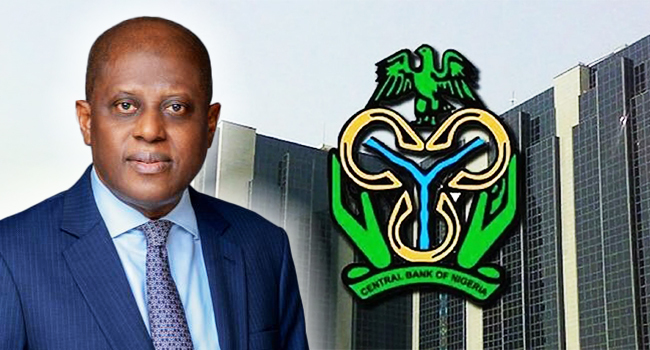
Nigeria’s central bank says it will introduce a new foreign exchange framework aimed at attracting more investment and improving stability in the currency market.
The Deputy Governor of the Central Bank of Nigeria (CBN), Muhammad Abdullahi, announced the plan on Tuesday at the Nigeria Development Update event hosted by the World Bank in Abuja.
He said the new foreign exchange (FX) manual is designed to increase transparency and make the market more accessible to investors.
“We are going to be launching a new foreign exchange manual to ensure that we’re opening up all the doors for more inflow,” Mr Abdullahi said.
He added that recent reforms have reduced the need for heavy intervention by the central bank, allowing market forces to play a greater role in determining exchange rates.
“Nigeria has not had to spend heavily to stabilise its currency… the pricing is transparent, it’s credible, and we’re allowing the market to determine the cost,” he said.
The central bank also said it remains focused on reducing inflation, which it described as a major burden on households.
“We’ve been on a solid disinflation journey for over a year and the target is to reach single-digit inflation,” Mr Abdullahi said, noting that current levels remain high.
Also speaking at the event, Nigeria’s Finance Minister, Wale Edun, said the country is better positioned to withstand global economic shocks despite ongoing inflationary pressures linked to tensions in the Middle East.
He said recent economic reforms under President Bola Ahmed Tinubu have strengthened the economy, citing stable fuel supply as an example.
“In Nigeria today, there are no petrol queues, although prices have increased, supply remains steady,” he said.
Mr Edun added that the government is balancing the potential benefits of higher oil prices with rising costs across energy and food supply chains. He said investment remains key to job creation and poverty reduction.
“The way we are going to substantially lift millions of Nigerians out of poverty is through investment,” he said.
He also reaffirmed the government’s commitment to supporting vulnerable citizens through targeted digital cash transfers.
Meanwhile, the World Bank’s country director for Nigeria, Mathew Verghis, said recent economic reforms are beginning to show results, including improved external balances.
However, he warned that inflation remains a significant concern. “Reducing high inflation is probably the fastest way for people to feel the benefits of reforms,” he said.
He also highlighted the importance of continued reforms in the energy sector to support long-term economic growth.