
CROSS RIVER, CALABAR – Stakeholders in Cross River State have raised alarm over a surge in gender-based violence (GBV), with new data showing that many rape cases involve family members and close relatives.
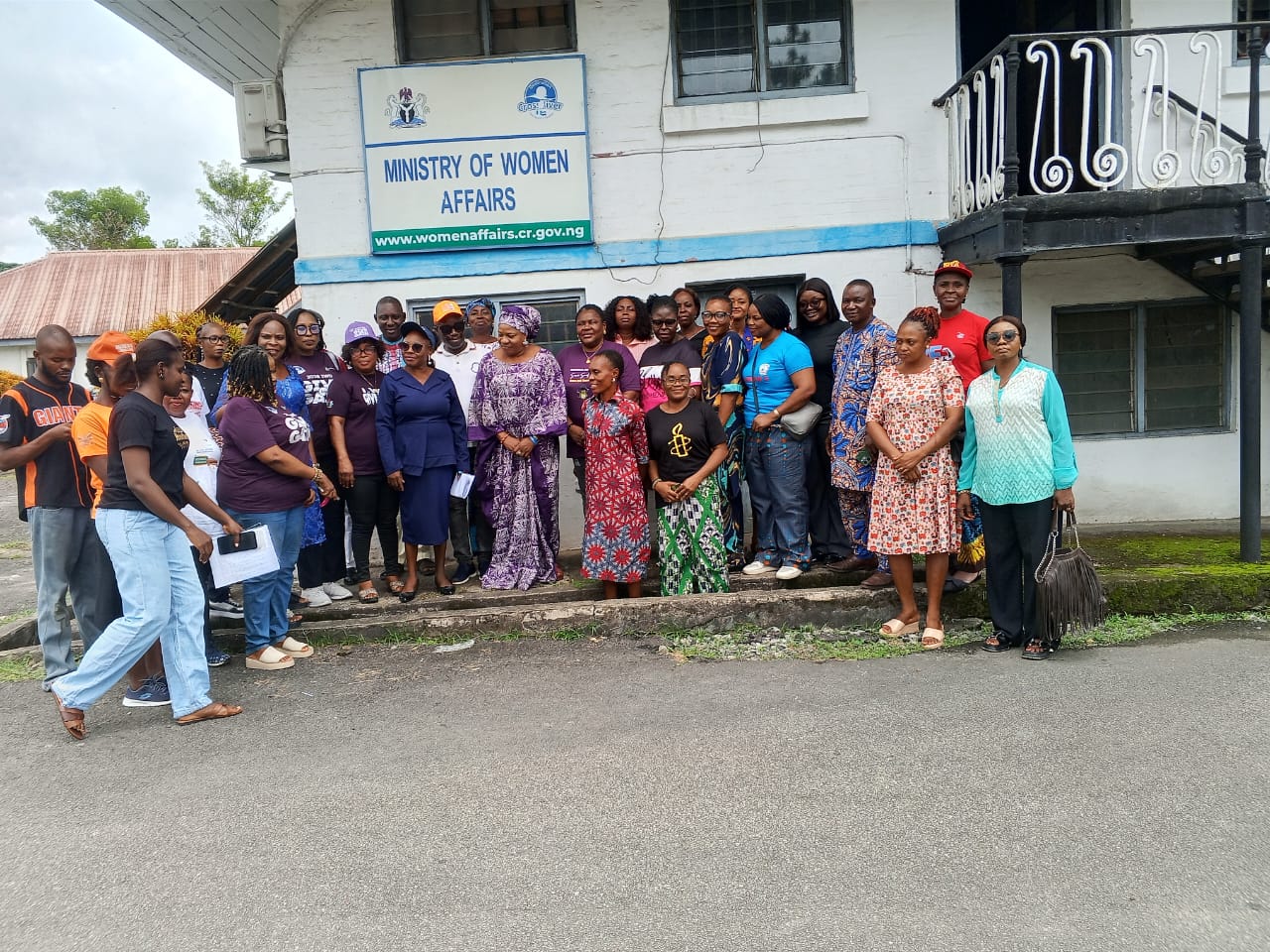
The concerns emerged during a one-day Gender-Based Violence Technical Working Group meeting convened by the Ministry of Women Affairs in Calabar, where government agencies and civil society organisations reviewed cases recorded between October 2025 and March 2026.
Officials disclosed that at least 80 cases of GBV were documented within the six-month period, cutting across rape, domestic violence, and denial of inheritance rights.
The Officer-in-Charge of the Gender Unit, Cross River State Police Command, CSP Mercy, said the unit handled 18 rape cases, many of which are currently before the courts.
“It is disturbing that most of these cases involve parents and relatives,” she said, adding that the command remains committed to ensuring justice is served to deter future offenders.
Data presented by the Citizens’ Rights and Department of Public Defender showed 53 reported cases, representing the largest share of documented incidents.
The cases included rape, physical assault, spousal battery, and denial of resources and inheritance rights. Truth Live News can report.
Other organisations, including GADA and NCF, reported a combined nine cases, while several partners were directed to submit additional data to the Ministry due to time constraints.
The Honourable Commissioner for Women Affairs, Edema Irom, warned against manipulation or duplication of GBV data, stressing that accurate reporting is essential for policy planning and attracting donor support.
“We must not overstate or distort data. Reliable information is critical to securing funding and ensuring survivors receive the justice they deserve,” she said.
Irom also expressed concern over the increasing number of rape cases in the state, particularly those perpetrated within the family, and called for stronger collaboration with law enforcement agencies and the Ministry of Justice.
Beyond the statistics, stakeholders highlighted systemic challenges undermining the fight against GBV, including extortion by some police officers and the widespread practice of settling rape and defilement cases out of court.
Participants at the meeting said such practices not only deny survivors justice but also embolden perpetrators and weaken public trust in the legal system.
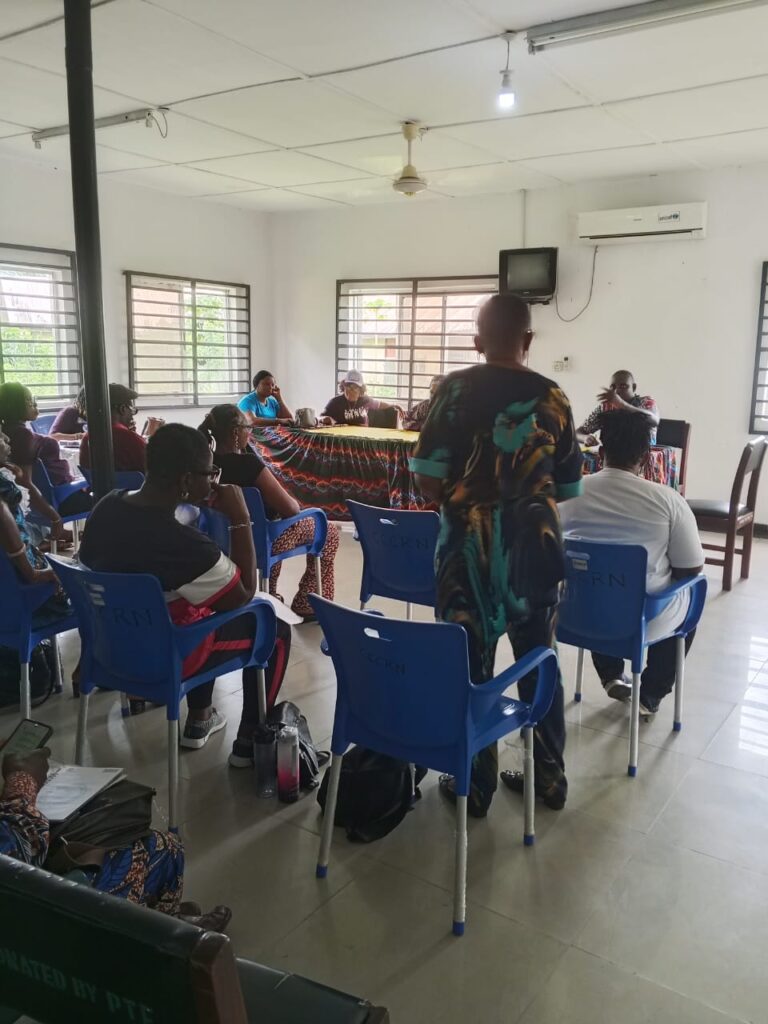
In response, the working group resolved to undertake an advocacy visit to the Commissioner of Police to address reported misconduct within some police divisions, particularly allegations of extortion and interference in rape cases.
The group also moved to strengthen data management by developing a harmonised GBV reporting template, which has been forwarded to the Federal Ministry of Women Affairs for review and approval.
The Ministry’s Monitoring and Evaluation Officer, Moses Abam, is expected to follow up on the approval process to enable uniform data collection across agencies.
Stakeholders further called for improved coordination among response institutions and enhanced support services for survivors, including access to legal aid and psychosocial care.
Observers say the findings highlight a troubling pattern of abuse occurring within homes, raising broader concerns about social norms, accountability, and protection systems in the state.
The meeting ended with a call for sustained collaboration, with the Ministry urging all partners to prioritise data integrity and coordinated action in tackling gender-based violence.
Most Viewed Posts
- Supporting Siminalayi Fubara: Why Rivers People Deserve Continuity Of Purpose In 2027 – Dr William Omuna
- President Tinubu’s Achievements That Strengthen Case For Second Term – Amuna
- EFCC Arraigns Gombe Magistrate Over Alleged ₦1.4m Bribery
- Just In: APC Announces Date For Presidential Primary, Fixes Nomination Form At ₦100m
- William Omuna Declares Bid For Rivers East Senate, Says It Deserves Senator Who Shows Up