

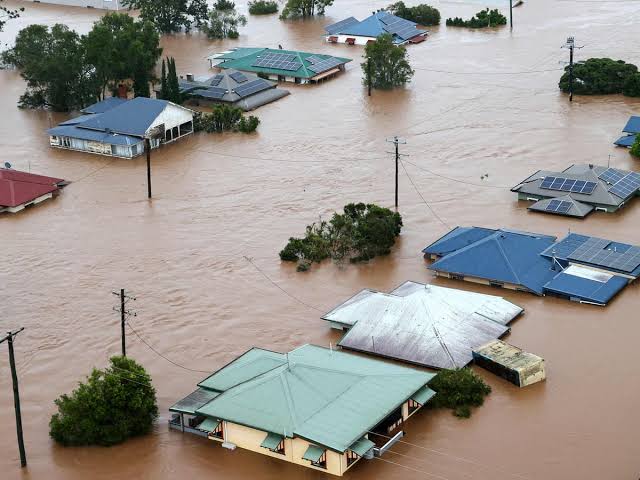
Communities across eastern Australia are reeling from the aftermath of record-breaking floods that submerged towns, cut off tens of thousands of residents, and left behind widespread devastation.
At least four people were confirmed dead in northern New South Wales, a region known for its fertile valleys and rivers.
Over just three days, storms dumped more than six months’ worth of rain on parts of New South Wales, setting rainfall records and turning rivers into torrents.
The floodwaters have now begun to recede, revealing the full scale of the destruction.
Rescue operations have saved more than 600 people, many of whom were stranded on rooftops, cars, and highway bridges.
“Emotions were high,” said rescue worker Jason Harvey, “We are now at that clean-up stage. I am glad it is over, but it’s going to be a long road ahead.”
Australian Prime Minister Anthony Albanese described the scenes as “horrific” and confirmed that the Australian Defence Force would support recovery efforts.
“There’s been massive damage to infrastructure, and we’re going to have to all really pitch in,” the Prime Minister said.
About 50,000 people were cut off at the height of the flooding, with rescue and supply efforts still ongoing.
“Floodwaters are contaminated and dangerous,” said State Emergency Service chief Dallas Burnes, “There are vermin, snakes, and possible electrical hazards. We urge people to be extremely cautious.”
The town of Kempsey suffered significant damage, with dozens of homes inundated.
Mayor Kinney Ring described heartbreaking scenes: “Houses have been inundated, it’s really awful to see, and the water is going to take time to go down.”
The floods also endangered wildlife, including a sanctuary for endangered Tasmanian Devils.
“We’ve been working through the night to keep the animals safe,” a spokesperson said.
Experts say the disaster offers more evidence of climate-driven extremes, with warmer seas increasing the likelihood of heavy rainfall events.
“Warmer seas mean more evaporation and, eventually, heavier downpours, what we’re seeing this week is compelling evidence of how climate change is amplifying natural disasters,” flood modeller Mahdi Sedighkia said.
As the clean-up continues, residents like Taree shop owner Jeremy Thornton face the emotion toll.
“It’s gut-wrenching, We are reliving it every second — hearing the rain, the helicopters, the sirens. But we’ll push on,” Thornton said.