
CALABAR – Cross River’s latest gender-based violence data has put 204 reported cases on the table, prompting the state government to push for stronger use of evidence in planning, budgeting and survivor response.
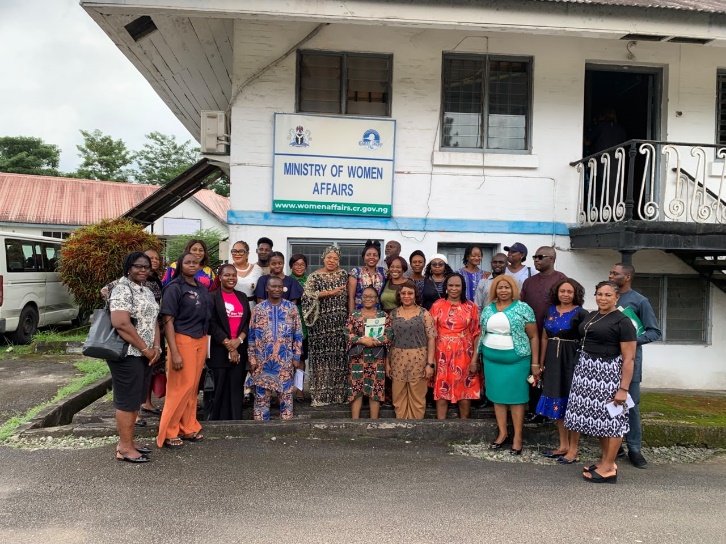
The figure was presented during a quarterly Gender-Based Violence Technical Working Group meeting held at the Ministry of Women Affairs Multi-Purpose Hall, Calabar, with stakeholders reviewing reports from participating organisations.
Commissioner for Women Affairs, Hon. Edema Irom, said reliable data was critical to understanding the scale of GBV and determining the resources required to respond effectively.
According to her, the state could not properly plan or budget for GBV interventions without accurate information on the cases being reported across communities.
She therefore urged stakeholders to improve data collection and reporting, stressing that the figures should translate into real-time programming and better services for survivors.
The 204 cases reported by participating organisations covered several forms of violence, including intimate partner violence, rape, domestic violence, child abuse and molestation, physical assault, psychological and emotional abuse, economic violence, threats to life, abduction, child neglect and abandonment, among others.
The reports were submitted by organisations and government agencies involved in GBV response, including the Girls Power Initiative, Gender and Development Action, Centre for Citizens’ Rights, NEPWHAN, the Primary Health Care Development Agency, Her Voice, Basic Rights Counsel, National Human Rights Commission, Neighbourhood Care-Well Foundation, Ministry of Health and FIDA.
Irom said the purpose of collating the figures was not merely to produce statistics but to strengthen the state’s ability to respond to the needs identified through the data.
She called for improved survivor services and greater collaboration among institutions handling GBV cases, noting that the information generated should guide government interventions.
The Commissioner also directed stakeholders to prepare for the 16 Days of Activism against Gender-Based Violence, scheduled for November 25 to December 10, saying the data should form part of advocacy and engagement with government.
She disclosed plans for the Technical Working Group to pay a courtesy visit to the Governor before the end of her tenure to present the collated data and seek further support for GBV interventions.
The meeting also raised concerns about the quality of GBV reporting, with Director of Administration, Effiom Orok, calling for a review of the reporting template to reduce duplication and improve the reliability of information supplied by stakeholders.
The emphasis on data quality is significant because inaccurate or duplicated figures can weaken planning and make it difficult to determine where resources and services are most needed.
Stakeholders also called for stronger coordination between GBV responders, police divisions and General Hospitals to improve access to prompt services for survivors.
The meeting, organised in partnership with the United Nations Population Fund, brought together more than 39 stakeholders alongside officials of the Ministry of Women Affairs.
The latest exercise therefore shifts the GBV conversation beyond simply counting reported cases, placing greater emphasis on how credible data can inform government priorities, budgeting and coordinated interventions across Cross River.
I deliberately used “204 reported cases” rather than “Cross River recorded 204 cases,” because the available material identifies the figure as cases reported by participating organisations. That distinction is important for a precise hard-news report.
Most Viewed Posts
- Supporting Siminalayi Fubara: Why Rivers People Deserve Continuity Of Purpose In 2027 – Dr William Omuna
- President Tinubu’s Achievements That Strengthen Case For Second Term – Amuna
- Just In: APC Announces Date For Presidential Primary, Fixes Nomination Form At ₦100m
- EFCC Arraigns Gombe Magistrate Over Alleged ₦1.4m Bribery
- Nationwide Relief as Dangote Reduces PMS Ex-Depot Price to ₦699