

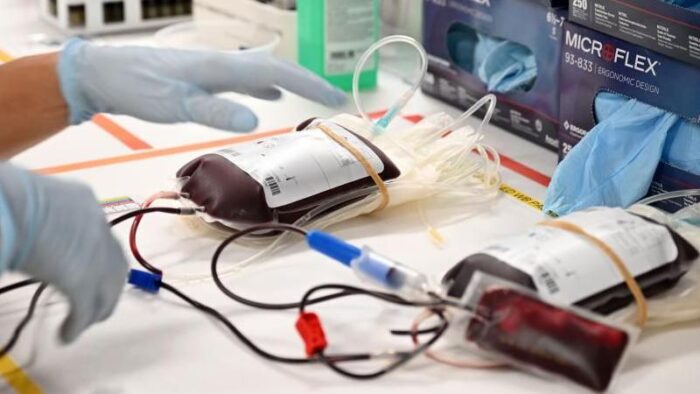
The Jehovah’s Witnesses have introduced a significant clarification to their long-standing position on blood transfusions, now allowing members to decide whether their own blood can be used during medical procedures.
While the religious group continues to prohibit the use of blood from other individuals, the updated guidance grants members personal discretion when it comes to handling their own blood in surgeries and treatments.
The clarification was announced in a video statement by Governing Body member Gerrit Lösch, who explained that the decision is rooted in biblical interpretation and aims to give individuals more responsibility over personal medical choices.
According to him, although abstaining from blood remains a core doctrinal belief, the Bible does not specifically address the medical use of one’s own blood. As a result, members are now free to decide whether procedures such as storing and reinfusing their blood during surgery are acceptable.
He noted that many Jehovah’s Witnesses already undergo medical treatments involving their own blood, including dialysis, blood tests, and the use of heart-lung machines.
The issue has drawn increased attention in Nigeria following the death of cancer patient and social media personality, Mensah Omolola, popularly known as AuntieEsther. She had declined a recommended blood transfusion based on her faith, sparking widespread debate about the balance between religious beliefs and medical advice.
The rejection of blood transfusions among Jehovah’s Witnesses is based on biblical teachings that regard blood as sacred and symbolic of life. Scriptures such as Genesis, Leviticus, and Acts are often cited to support this belief.
However, the organisation maintains that it does not oppose modern medicine. Instead, it encourages the use of alternative “bloodless” medical techniques that align with its religious principles.
This latest clarification reflects an evolving approach, preserving core beliefs while allowing individual members greater autonomy in life-threatening medical situations.