
Nigeria’s main legal body and a leading forensic institute are calling for the use of scientific forensic analysis to verify candidates’ credentials ahead of the country’s 2027 general elections.
The Nigerian Bar Association (NBA) and the Chartered Institute of Forensics and Certified Fraud Investigators of Nigeria (CIFCFIN) say stronger verification systems are needed to protect the integrity of the electoral and judicial processes.
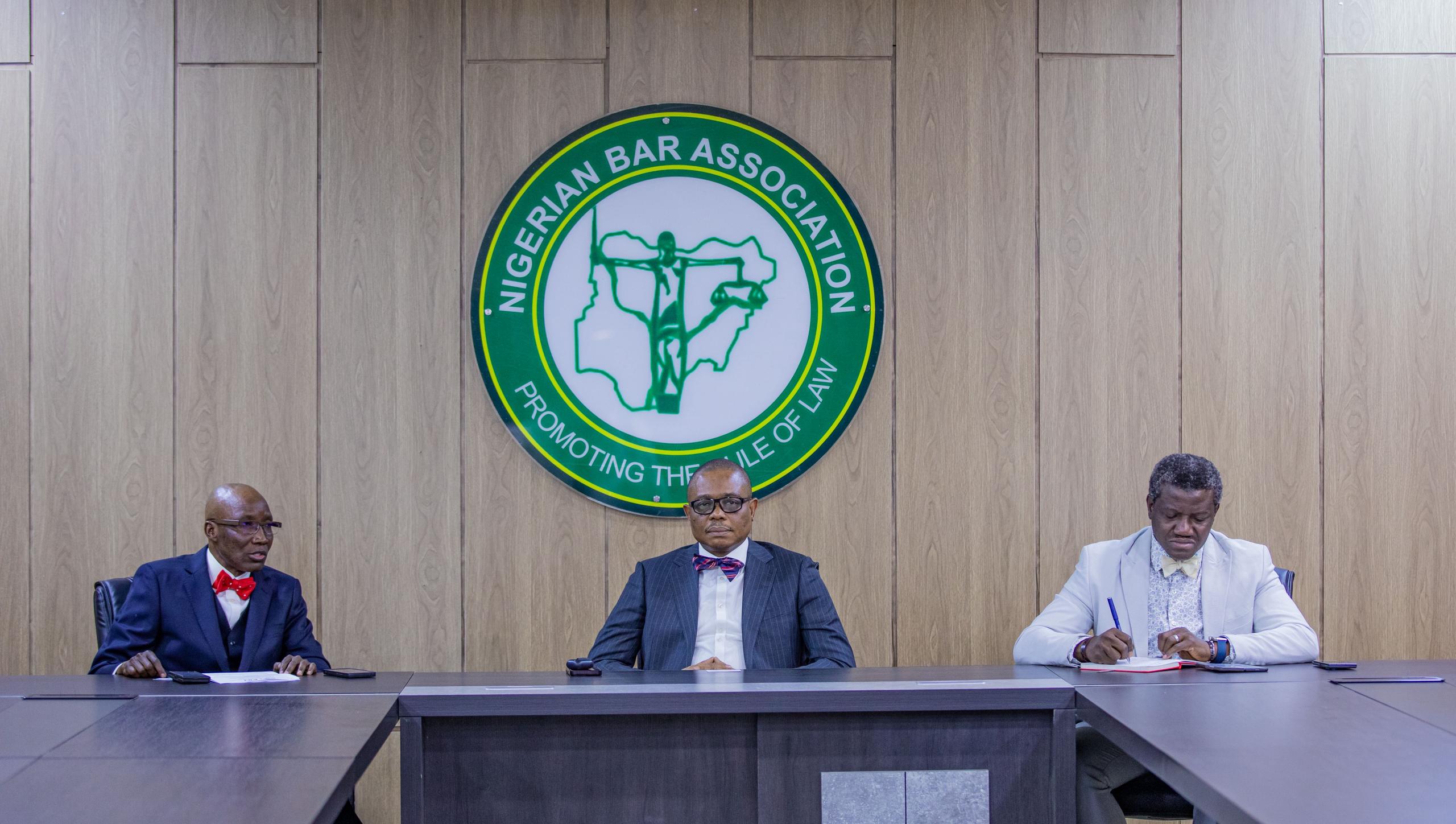
The call was made during a visit by CIFCFIN officials to the NBA headquarters in February.
Speaking at the meeting, the NBA president, Afam Osigwe, said forensic science could help prevent recurring cases of certificate forgery and document manipulation involving political officeholders.
He warned that repeated scandals over forged qualifications had embarrassed public institutions and weakened public trust.
“Unqualified individuals often gain access to public office and are only exposed after petitions are filed,” Mr Osigwe said, adding that independent and professionally regulated forensic services were essential to safeguarding democracy.
He also referred to a 2025 decision by the National Judicial Council, which recommended the compulsory retirement of 10 judges in Imo State over age falsification. According to him, such cases highlight deeper problems affecting the credibility of Nigeria’s courts.
Mr Osigwe said the country must move beyond reacting to fraud after damage has been done and instead build systems that prevent it from happening in the first place.
He added that stronger checks would also support Nigeria’s efforts to combat corruption, money laundering and terrorism financing.
For its part, CIFCFIN said forensic analysis should be applied throughout the electoral process from party primaries to post-election court cases.
The institute’s chairman, Iliyasu Gashinbaki, said early verification of candidates’ documents would significantly reduce election disputes and public embarrassment.
“With the 2027 elections approaching, forensic science has a vital role to play in ensuring credible outcomes,” he said, noting that many past electoral losses linked to certificate forgery could have been avoided with early forensic checks.
Nigeria is expected to hold its next general elections in 2027, with political parties set to begin preparations and internal selection processes well ahead of the polls.