
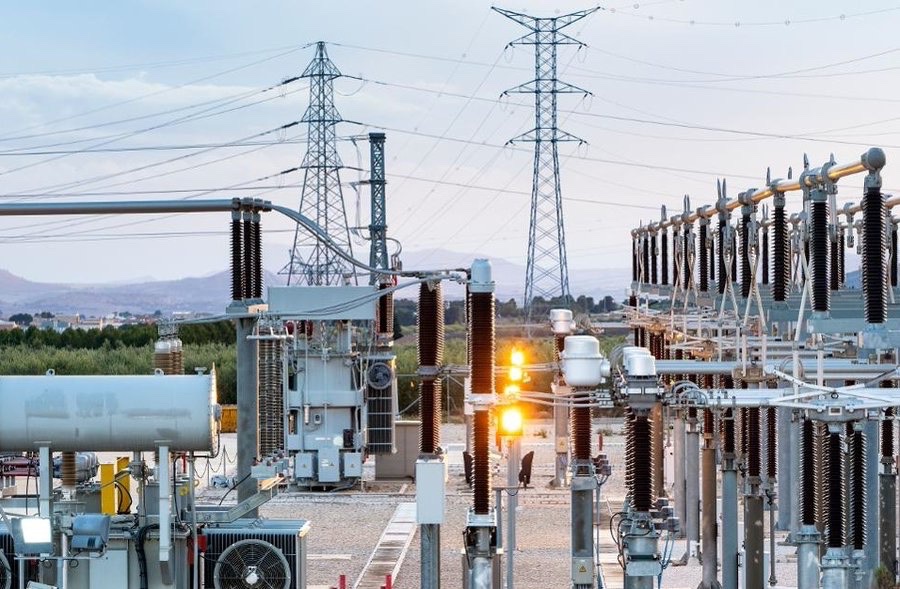
Nigeria, Ghana, and other West African nations have intensified their technical and operational coordination to achieve a fully synchronized regional electricity grid, targeting a major implementation milestone in June 2026.
According to the Nigerian Independent System Operator (NISO) and the West African Power Pool (WAPP), recent high-level engagements at the National Control Centre in Osogbo focused on readiness assessments, system studies, and the operational protocols required for this second phase of synchronization.
The drive toward a unified grid aims to deepen real-time interconnection among national power systems, allowing electricity to flow seamlessly across borders at a matched frequency, phase, and voltage. This synchronization is expected to transform the sub-region’s energy landscape by enhancing grid stability, reducing the risk of system disturbances, and enabling more reliable cross-border power trade.
For Nigeria, the initiative positions the national grid as a stabilizing anchor for the WAPP network while opening opportunities for foreign exchange earnings through optimized generation and expanded leadership in the ECOWAS energy market.
Technical progress has already been recorded through dynamic simulations and stability studies, building on a historic trial in late 2025 where Nigeria’s power system operated in synchronization with the broader West African grid for four uninterrupted hours.
Operators are now working to align grid codes and protection schemes across member states to ensure a smooth transition by the 2026 deadline. Once fully realized, the synchronized grid is expected to unlock significant efficiencies in energy distribution and lower wholesale electricity costs by as much as 40 percent through projects like the North Core, which links Nigeria with Niger, Burkina Faso, and Benin.