
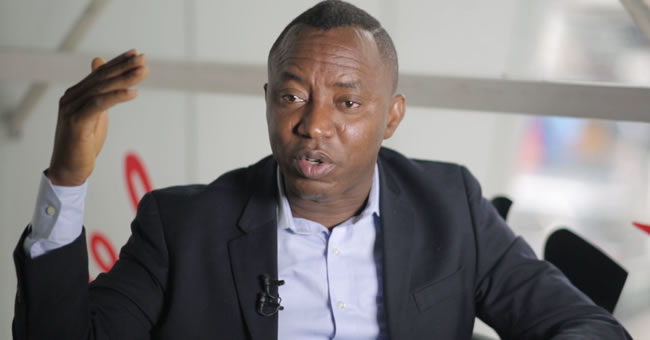
NIGERIA, ABUJA – The Nigeria Police Force has invited rights activist and politician, Mr. Omoyele Sowore, for questioning over allegations of forgery and inciting public disturbance.
In a letter dated August 1, 2025, signed by Deputy Commissioner of Police, Akin Fakorede, Sowore was asked to report to the IGP Monitoring Unit on Monday, August 4 by 10:00 a.m.
The police said Sowore’s name featured “prominently” in a case reported on July 31, which is under investigation by the Force Headquarters in Abuja.
“This invitation is compelled by law enforcement requirement as provided under Section 53(2) of the Administration of Criminal Justice Act (ACJA) 2025,” the letter stated.
When contacted, the former presidential candidate of the African Action Congress (AAC) confirmed receipt of the letter but said he had not been formally charged. “I will honour the invitation, but I know this is political harassment,” he told reporters.
Legal experts have raised concerns over due process, warning that inviting citizens without formal charges could breach their constitutional rights to fair hearing and presumption of innocence.
ALSO READ: Just In: IGP Bows to Pressure, Demands Police Force Exit from…
“The law allows police to invite, but such must be done with respect to individual dignity and rights,” said Barr. Ifeoma Okeke, a human rights lawyer.
She cautioned that if the police fail to clarify the allegations or follow due process, it could amount to intimidation under the guise of investigation.
Activists have also urged the police to avoid weaponizing the legal system against dissenters, especially in matters involving political actors.
The ACJA mandates transparency, proper documentation, and safeguards to ensure no citizen is unlawfully detained or misled about the nature of police inquiries.
The IGP Monitoring Unit, under the direct control of the Inspector General of Police, often handles politically sensitive cases and is expected to operate within strict legal bounds.
Observers say the way the police handle Sowore’s case could set a precedent for future enforcement actions against activists and political commentators in the country.