

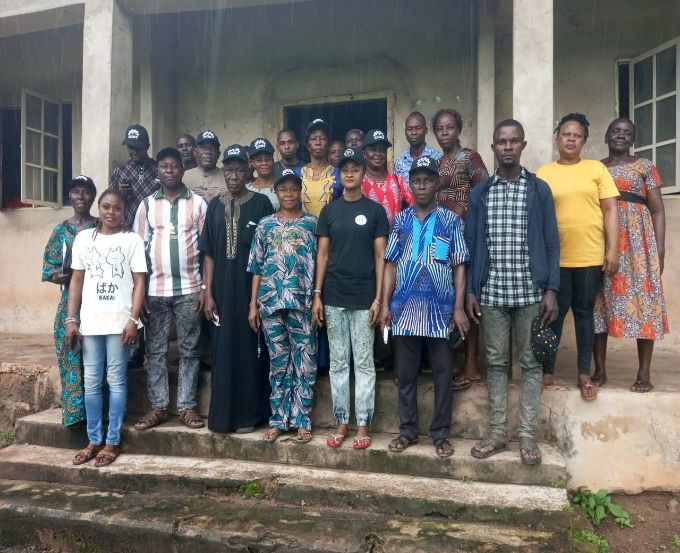
CROSS RIVER, CALABAR – Two communities in Cross River State have inaugurated Community Crisis Management Teams (CCMTs) to strengthen grassroots response to gender-based violence and promote awareness of the Violence Against Persons Prohibition (VAPP) Law.
The teams were inaugurated in Afokang/Waddell community in Calabar South and Ito community in Odukpani Local Government Area on July 7 and 9, 2026, respectively, by Gender and Development Action (GADA).
The initiative brought together 63 community stakeholders, including traditional and religious leaders, security personnel, health workers, school representatives, women and youth leaders, among others.
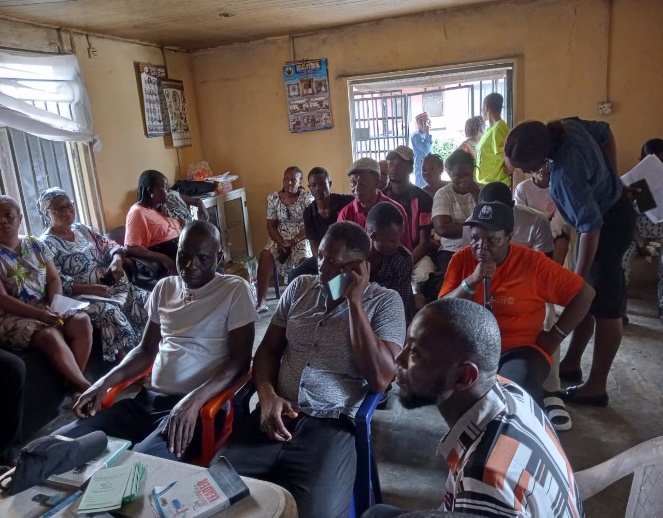
According to GADA, the CCMTs are intended to provide community-based structures for preventing, reporting and responding to GBV cases, while linking survivors with relevant support and law-enforcement services.
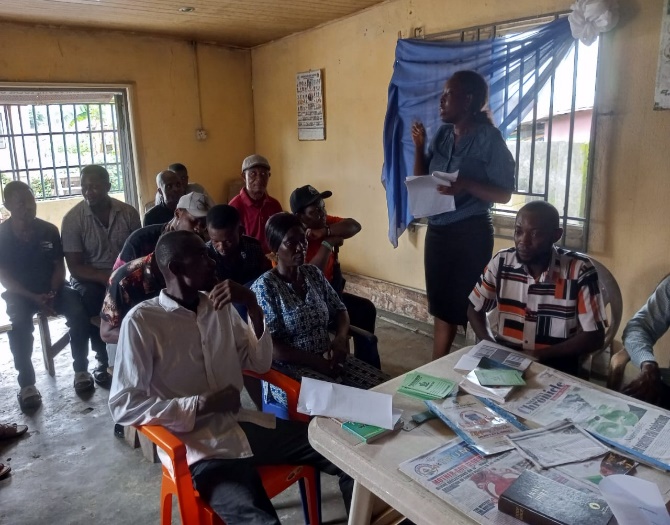
During the inauguration, participants were trained on identifying and responding to GBV incidents, including receiving reports, assessing risks, mobilising support, making referrals, engaging law enforcement and monitoring survivors’ wellbeing.
GADA Programme Officer, Roseline Unimuke, explained that the teams were established to replace inactive community structures and expand the CCMT initiative to other communities in the state.
She said the teams were expected to work collectively with community stakeholders to prevent and manage GBV-related crises.
The inauguration also exposed the participants to the structure and responsibilities of the CCMT, including the roles of traditional institutions, security agencies, health workers, schools, women’s rights organisations, religious groups, youth organisations and legal practitioners.
The communities subsequently pledged to sustain awareness activities and hold regular meetings to strengthen their response to GBV.
The women leader in Ito community, according to the report, pledged to take the message to other women during their scheduled meeting on July 17, while the community leadership promised to step down the information to various groups.
A community leader also expressed appreciation for the initiative, saying the community was receiving the GBV message for the first time through the programme.
The participants further committed themselves to implementing the Cross River State VAPP Law, while five copies of the law were presented to community leaders to guide their response to GBV cases.
GADA Legal Officer, Antigha-anwan Asuquo, Esquire inaugurated the CCMTs, after which members took an oath of commitment to serve their communities.
However, while the inauguration represents a new community-level response structure, its effectiveness will depend on whether the teams translate their commitments into sustained action.
The activity report records plans for regular CCMT meetings and community awareness activities between July and December 2026, but provides no evidence yet that the newly inaugurated teams have increased GBV reporting, improved referrals, strengthened survivor protection or reduced incidents of violence.
That outcome will depend on continued community engagement, functional referral pathways, cooperation with law enforcement and health services, and effective implementation of the VAPP Law.
The report identified poor road infrastructure and heavy rainfall as challenges during the outreach to Ito, with staff reportedly trekking through the rain before alternative transportation arrangements were made.
GADA recommended continued follow-up with the CCMTs to ensure that GBV awareness activities are carried out in the communities.
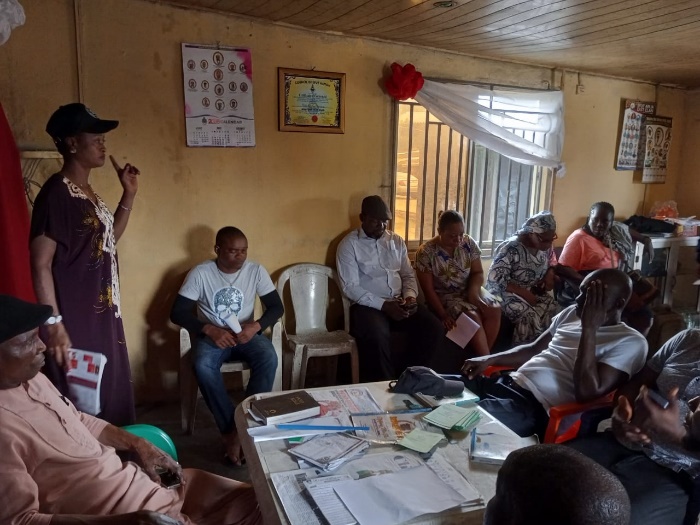
The organisation said the initiative was aimed at moving GBV prevention and response closer to communities, where traditional, religious, women, youth, security and other local actors can contribute to identifying risks and supporting survivors.
The inauguration therefore marks the beginning, rather than the conclusion, of the intervention: the key test will be whether the new teams remain active and can turn their training, community pledges and knowledge of the VAPP Law into measurable protection and response for people affected by gender-based violence.
Most Viewed Posts
- Supporting Siminalayi Fubara: Why Rivers People Deserve Continuity Of Purpose In 2027 – Dr William Omuna
- President Tinubu’s Achievements That Strengthen Case For Second Term – Amuna
- EFCC Arraigns Gombe Magistrate Over Alleged ₦1.4m Bribery
- Just In: APC Announces Date For Presidential Primary, Fixes Nomination Form At ₦100m
- Court Schedules Trial of Former Anambra Governor in ₦4bn Case