
Ismail Abdulazeez Mantu Reporting
The Universal Basic Education Commission (UBEC) has publicly criticized state governments across Nigeria for failing to utilize over N250 billion in intervention funds meant to improve basic education infrastructure and learning conditions across the country.
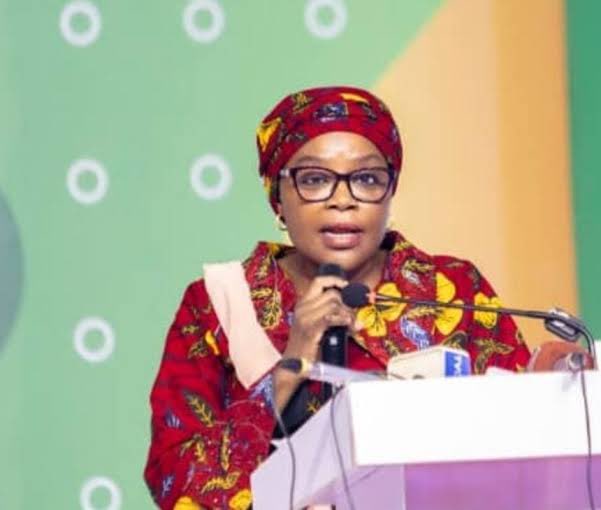
Dr. Aisha Garba, Executive Secretary of UBEC, made this revelation on Monday during the opening ceremony of a three-day Financial Management Training organized for fund managers from the State Universal Basic Education Boards (SUBEBs), including Directors of Finance and Accounts, Heads of Internal Audit, and Matching Grant Desk Officers from all 36 states and the Federal Capital Territory.
According to Garba, the alarming amount of unutilized funds highlights systemic lapses in the management and disbursement of Universal Basic Education (UBE) matching grants. She cited issues such as slow access and utilization of funds, non-compliance with utilization guidelines, fund diversion, and contract award violations as key impediments.
“The basic challenge still remains not only accessing the remaining UBE Intervention Fund, but more importantly, the slow utilization of the fund, with over N250 billion still being retained as un-utilized in the coffers of the 36 SUBEBs and FCT-UBEB as at today,” Garba lamented.
She further revealed that despite significant progress in recent months, including the disbursement of N92.4 billion in UBE Matching Grants to 25 states and the FCT between January and June 2025, as well as N19 billion for Teacher Professional Development (TPD) and N1.5 billion to 1,147 communities under the SBMC School Improvement Programme, major gaps still persist in fund management.
In a bid to address these challenges, Garba disclosed that the Commission has reviewed its fund utilization guidelines, developed new action plan templates, and initiated capacity-building initiatives both locally and internationally for UBEC and SUBEB personnel.
“The training is part of our broader effort to equip fund managers with the necessary skills to ensure timely utilization, improved oversight, and accountability,” she stated, adding that without proper usage of these resources, the goal of delivering quality basic education across Nigeria would remain elusive.