
….Seeks International Support
Lucky Obukohwo, Reporting
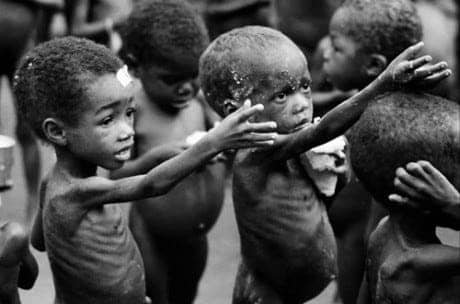
The Federal Government has decried the sudden cut in the funding of the World Food Programme (WFP), saying that about 575,000 Nigerians across 115,000 households might face grave risks of malnutrition and starvation.
The government also said that approximately 300,000 children are at risk of wasting due to the closure of 150 WFP-supported nutrition clinics in Borno and Yobe States, which could lead to further displacements and migration.
The Minister of State for Humanitarian Affairs and Poverty Reduction, Dr Yusuf Tanko Sununu, disclosed this to Journalists in Abuja.
According to him “Due to severe funding gaps, WFP has been forced to scale back its coverage, reaching only 900,000 people in August and 725,000 in September 2025, thereby leaving 575,000 individuals (approximately 115,000 households) without critical support.”
“The suspension may lead to increased food insecurity, malnutrition, and health risks, with approximately 300,000 children at risk of wasting due to the closure of 150 WFP-supported nutrition clinics in Borno and Yobe States, as well as further displacements and migration,”
Sununu announced that the government would provide emergency funding to augment ongoing efforts to bridge the gap created by the suspension of Activity 1 of WFP’s Country Strategic Plan.
He also outlined special interventions, including supporting local agriculture, promoting nutrition-sensitive agriculture, and enhancing resilience to climate change to address food insecurity sustainably.
He urged local and international partners to provide urgent support to complement government efforts in preventing a humanitarian catastrophe. “We also call on the general public to support providers of sustainable solutions to address the root causes of food insecurity and malnutrition and for strengthened collaboration and partnerships to support the most vulnerable populations,” Sununu added.