
CROSS RIVER, CALABAR – Political leadership is not won by slogans alone. It is built through knowledge, preparation, participation and persistence.
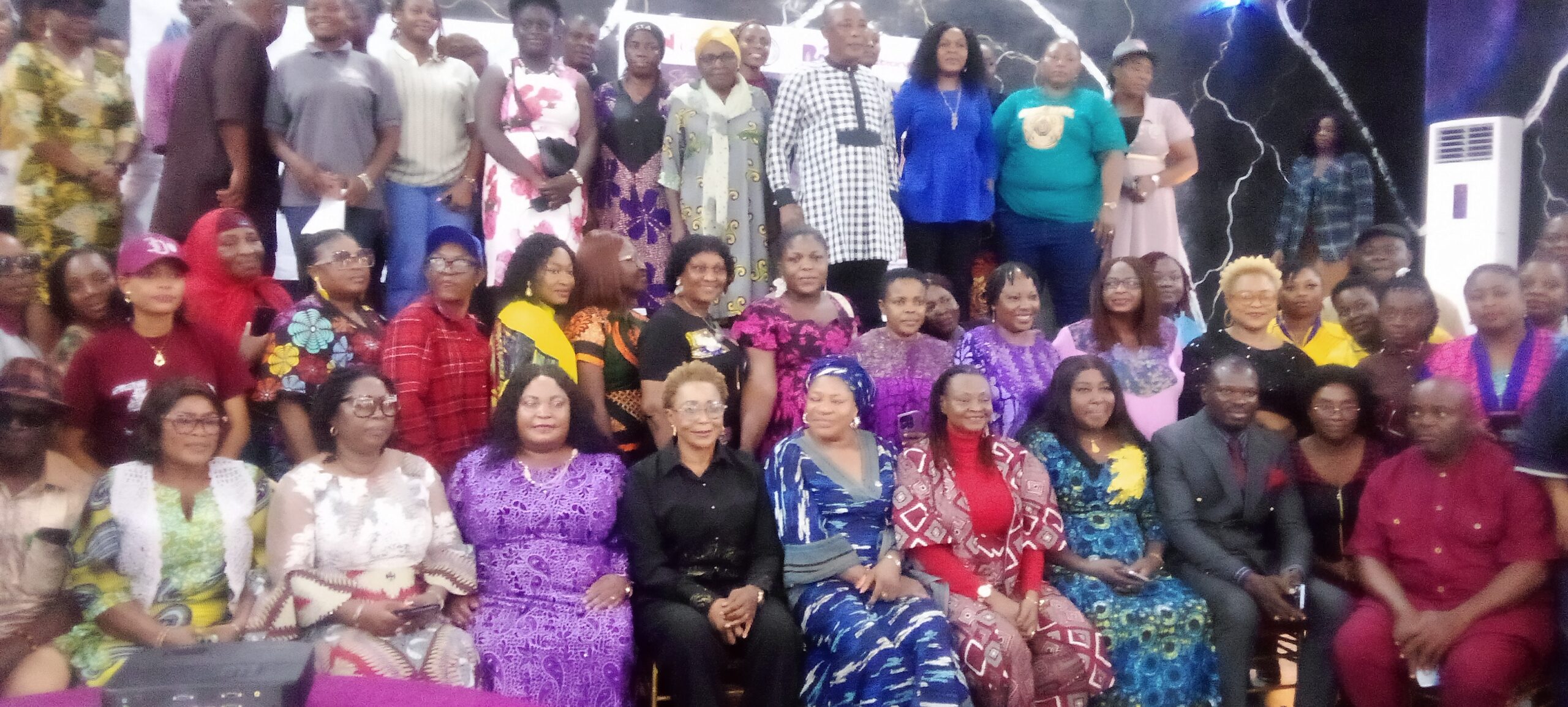
That was the central message as government officials, political leaders, development partners, civil society organisations and women leaders gathered at Pristine Villa Events Centre, Calabar, for the Women’s Political Participation and Leadership Training under the Renewed Women’s Voice and Leadership (RWVL) Nigeria Project, organised by Gender and Development Action (GADA).
Held on Thursday, July 16, 2026, the training was designed not merely as another workshop but as a platform to prepare women to compete effectively in Nigeria’s political space, influence governance, and occupy leadership positions.
The programme began with participant registration and media interviews before moving into an opening ceremony that featured the National Anthem, prayers and welcome remarks by GADA’s Acting Executive Director, Ms. Nnenna Ugbor. Goodwill messages from partners and dignitaries reinforced a common belief that advancing women’s leadership requires collaboration between government, political parties, civil society and communities.
Setting the tone for the day, GADA Programme Manager Mrs. Martha Wilfred presented an overview of the Renewed Women’s Voice and Leadership Project, explaining that the initiative builds on achievements recorded during the previous phase of implementation.
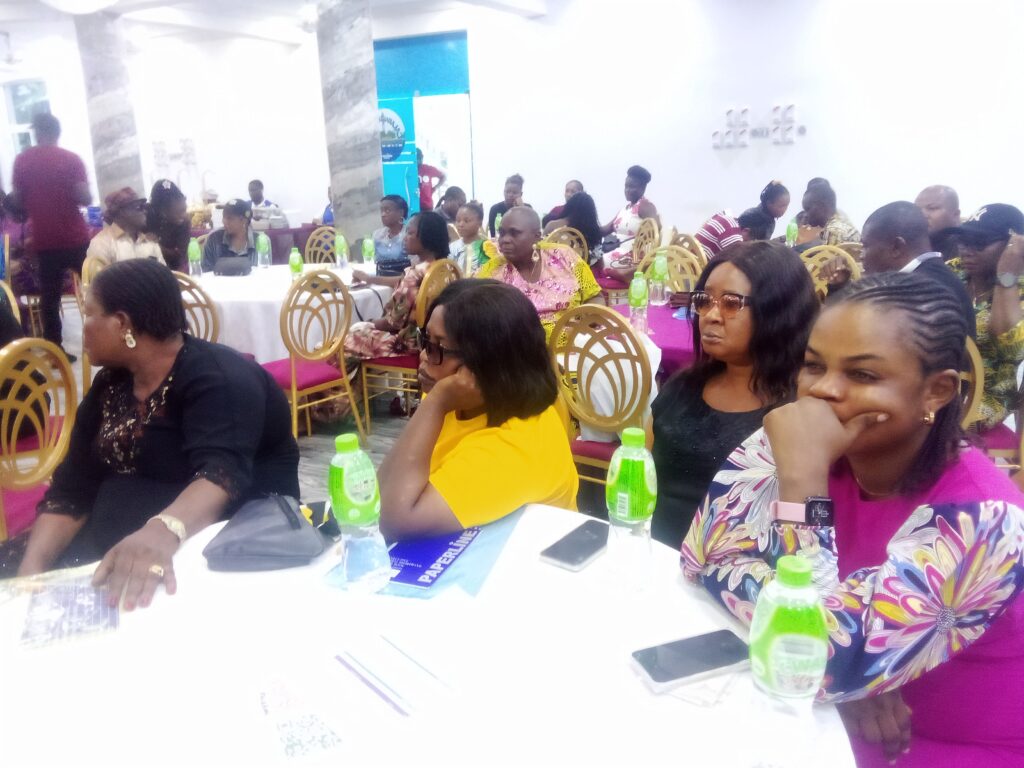
Rather than starting afresh, the renewed project seeks to consolidate earlier gains by strengthening women’s leadership skills, expanding opportunities for participation and ensuring that more women occupy decision-making spaces across politics, governance and development.
Speaking during an interview, Ms. Nnenna Ugbor explained that the project goes beyond preparing women for elections.
According to her, it seeks to develop confident women leaders capable of influencing policy, mobilising communities and contributing meaningfully to national development.
She noted that one of the biggest barriers facing women remains access to financial resources for political campaigns.
To bridge that gap, GADA is creating platforms that increase the visibility of women aspirants, strengthen their leadership capacity and connect them with networks that can support their political ambitions.
“We cannot do it alone,” she stressed. “Women’s leadership requires partnerships between civil society organisations, government institutions, political parties and development partners.”
The programme then shifted from advocacy to governance as the Commissioner for Women Affairs Hon. Edema Irom delivered a presentation on Pathways to Leadership and Governance in Cross River State.
Her presentation challenged deeply rooted gender stereotypes that continue to limit women’s political participation.
She argued that society often expects women to carry the burden of childcare and domestic responsibilities while simultaneously competing in a political system that rarely accommodates those realities.
Using practical examples, she reminded participants that women have demonstrated extraordinary resilience, attending political meetings with their babies and balancing motherhood with public service.
“Leadership begins at home,” she observed, explaining that gender inequality often starts with how boys and girls are raised. She urged parents to abandon practices that teach girls to remain in subordinate roles while preparing boys to lead.
The Commissioner also dismissed the long-held belief that women do not support one another politically.
“Men also compete against men,” she remarked. “Political rivalry is not unique to women. What women need is confidence, persistence and the courage to claim their rightful space.”
Perhaps her strongest call to action centred on civic participation.
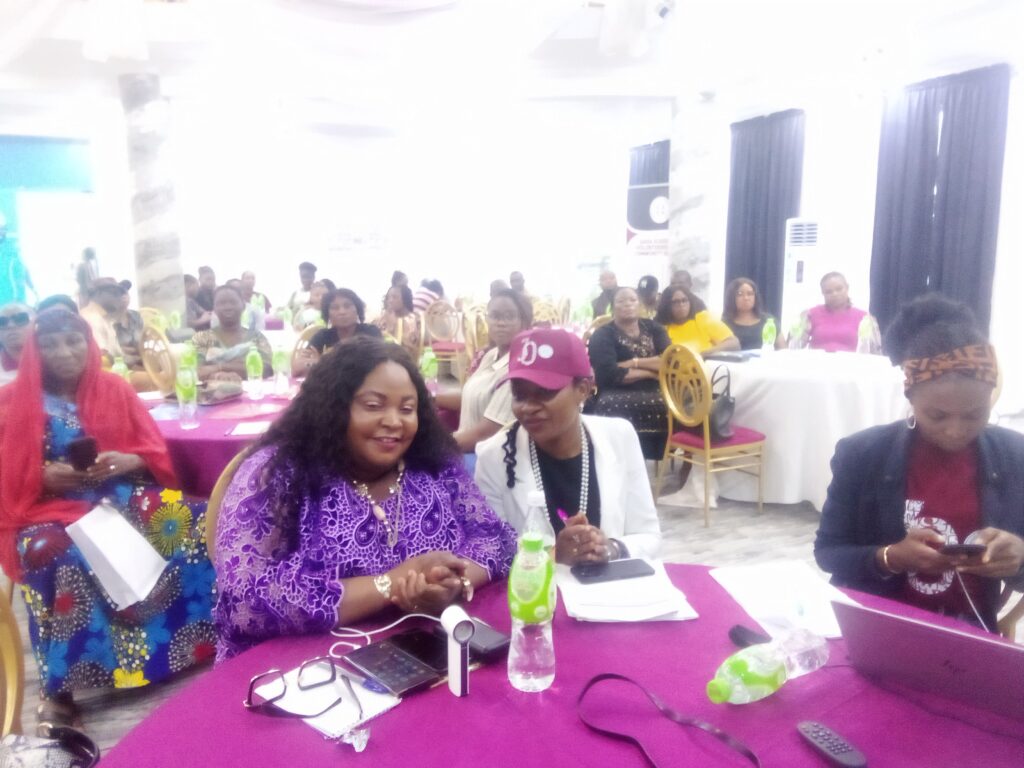
She challenged participants to obtain their Permanent Voter’s Cards (PVCs), arguing that discussions about women’s political inclusion become meaningless if women themselves are not registered to vote.
“Political participation begins with voting,” she emphasised. “Every woman who wants change must first become an active participant in the democratic process.”
Representing the political establishment, the Chairman of the All Progressives Congress (APC) in Cross River State, Hon. Chris Etta, formally declared the training open after speaking on women’s participation and leadership within party politics.
While acknowledging that significant challenges remain, he pointed to measurable improvements in women’s representation within elective offices over recent years.
According to him, political parties have begun recognising the need for greater inclusion of women and young people in leadership structures.
He also questioned the popular narrative that women are their own greatest obstacles.
“Men don’t always support men either,” he argued. “Competition is part of politics. What matters is creating fair opportunities for everyone.”
On affirmative action, he maintained that the principle already exists in Nigeria’s policy framework, noting that the greater challenge lies in implementation rather than legislation.
Beyond the keynote speeches, the training focused heavily on practical political education.
Participants received detailed guidance on the 2026 Electoral Act, Independent National Electoral Commission (INEC) processes, candidate nomination requirements and electoral guidelines from the State Legal Adviser of INEC. Interactive question-and-answer sessions enabled participants to clarify electoral procedures and understand the legal framework governing elections.
Another technical session, facilitated by the Chairperson of the Inter-Party Advisory Council (IPAC), explored navigating party structures, campaign organisation, mobilisation strategies, fundraising and women’s participation within political parties.
These discussions recognised that political ambition alone is insufficient without understanding how party systems function.
One of the day’s most engaging sessions was titled “Men in Politics Meet Women in Politics.” Moderated by Dr. Victoria Emah Emah, the panel brought together experienced politicians, including Hon. Rita Ayim, Hon. Donatus Etim, Hon. Grace Bassey and Hon. Emmanuel Etenne, to discuss practical strategies for contesting and winning elections.
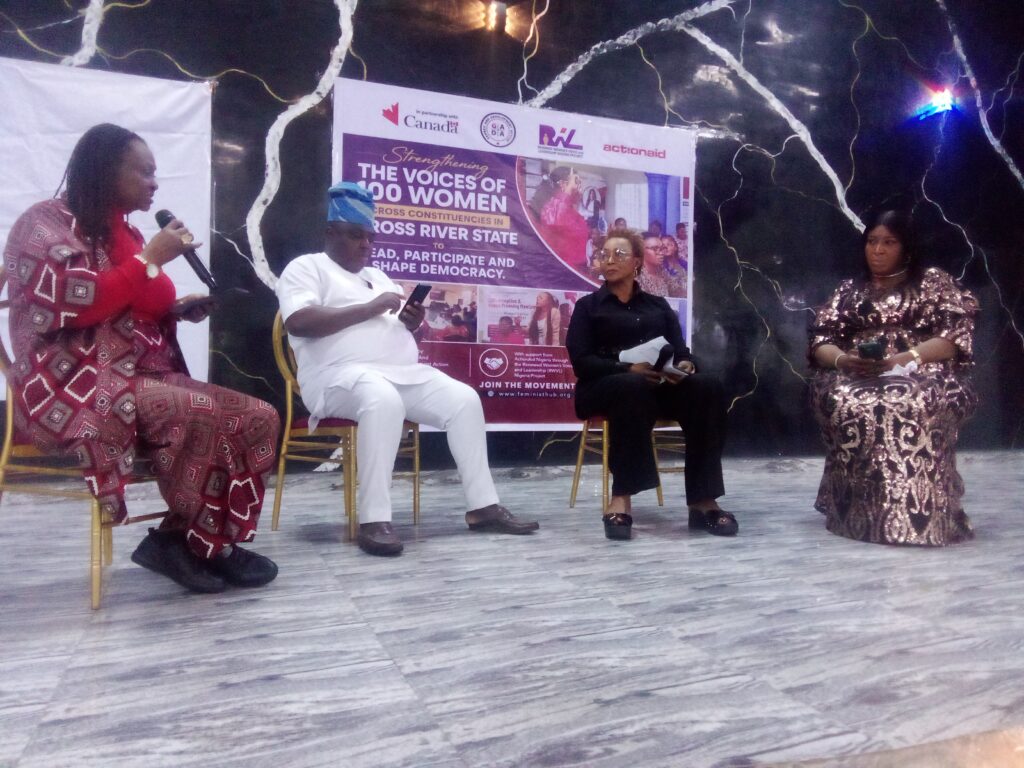
The discussion moved beyond theory to address real-life political experiences, including campaign safety, public perception, political acceptance, personal branding and maintaining emotional well-being during election campaigns.
Participants heard first-hand accounts of the challenges candidates face and the resilience required to remain competitive in Nigeria’s political environment.
The final major session focused on Politics and Mentorship: Building an Intergenerational Leadership Pipeline for Women.
Guest speaker Mrs. Barbara Etta, wife of the APC State Chairman, joined discussants Blessing Alims, Utibe Bassey Duke, Dr. Phoebe Inyang and Dr. Juliana Diwa to examine how experienced women leaders can mentor younger women entering politics.
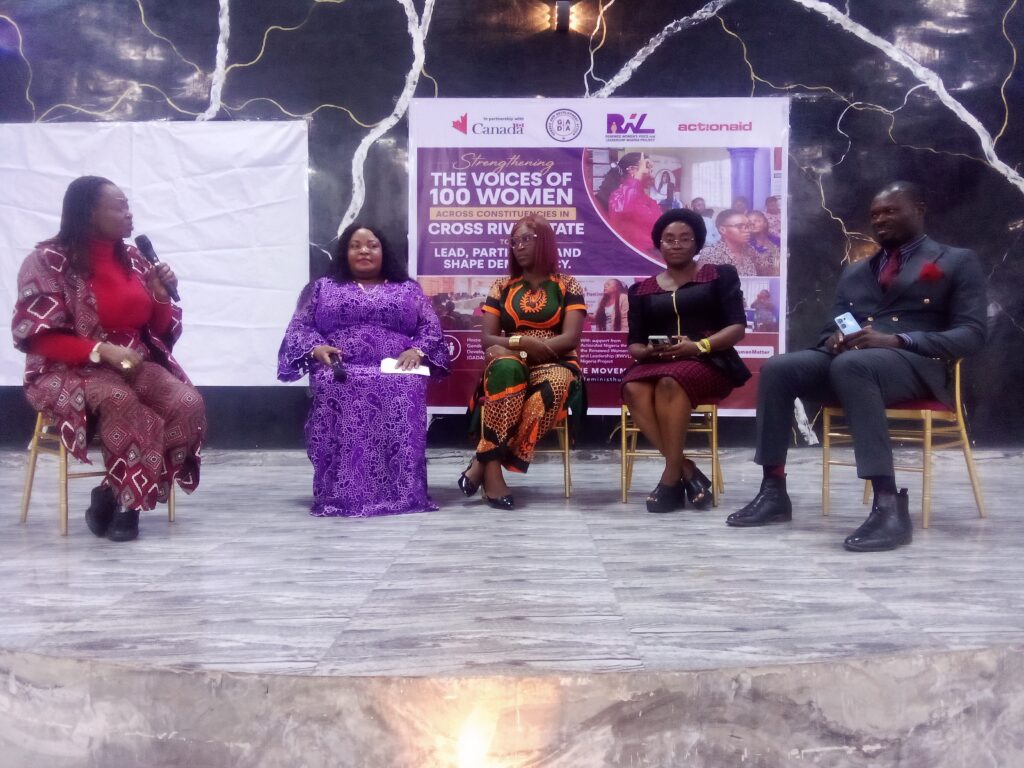
The discussion emphasised that sustainable progress depends on creating structured mentorship systems through which knowledge, networks and political experience can be transferred across generations.
As the training concluded, participants agreed that increasing women’s political representation requires more than affirmative action policies or advocacy campaigns. It demands continuous investment in leadership development, mentorship, voter education, political participation and institutional reform.
The event demonstrated that meaningful inclusion cannot be achieved by government alone. Political parties must become more inclusive. Civil society organisations must continue building women’s capacity. Religious and community institutions must encourage civic participation. Families must challenge harmful gender stereotypes. Most importantly, women themselves must prepare to lead.
The Renewed Women’s Voice and Leadership Project therefore represents more than a training programme. It is an investment in building a new generation of women leaders equipped with the confidence, skills and networks required to shape governance in Cross River State and Nigeria.
As participants dispersed after lunch, one message resonated above all others: women’s political inclusion will not be achieved through advocacy alone, it will be achieved when more women register to vote, contest elections, occupy leadership positions and remain at the decision-making table.
Most Viewed Posts
- Supporting Siminalayi Fubara: Why Rivers People Deserve Continuity Of Purpose In 2027 – Dr William Omuna
- President Tinubu’s Achievements That Strengthen Case For Second Term – Amuna
- EFCC Arraigns Gombe Magistrate Over Alleged ₦1.4m Bribery
- Just In: APC Announces Date For Presidential Primary, Fixes Nomination Form At ₦100m
- Court Schedules Trial of Former Anambra Governor in ₦4bn Case