
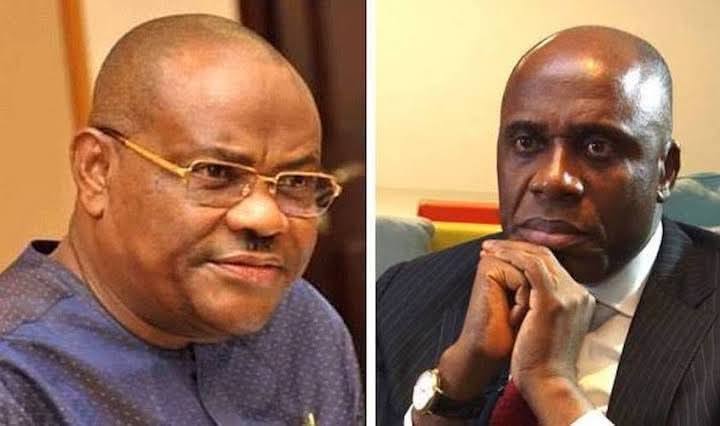
The debate over Nigeria’s new Electoral Act 2026 has taken a sharper turn, with Nyesom Wike accusing former Minister of Transportation Rotimi Amaechi and other opposition figures of double standards, Truth live news international reports.
Speaking on Monday, Wike pointed to past government decisions, noting that Amaechi had once opposed electronic transmission of election results under former President Muhammadu Buhari because it did not align with his political interests. Now, Wike said, the same voices are publicly criticising the current Electoral Act for not fully relying on electronic transmission, a move he described as contradictory and politically motivated.
“The law does not remove electronic transmission; it simply provides a safety net so that voters are not disenfranchised if technical issues arise,” Wike explained.
He also defended the Act’s provision for direct primaries, which he says will reduce the influence of wealthy party elites and give ordinary party members a real voice in candidate selection. Wike criticised what he called a culture of complaints among some Nigerians who previously opposed indirect primaries but now resist reforms designed to increase fairness.
Opposition parties, including the African Democratic Congress and the New Nigerian Peoples Party, have called for amendments, warning that some provisions could undermine electoral transparency and public confidence. Wike, however, insisted that the law balances innovation with safeguards, aiming to ensure inclusive and credible elections.
The exchange signals a growing rift between ruling and opposition voices over how Nigeria conducts elections, highlighting the continuing tension over electoral reforms ahead of upcoming polls.