


The 2026 Global Terrorism Index, published by the Institute for Economics and Peace, has ranked Nigeria fourth among the most terrorism-affected countries in the world, with 750 people killed in terror related incidents in 2025, a 46 percent surge from the previous year and the country’s highest death toll from terrorism since 2020.
“This marks the highest death toll since 2020, driven by internal instability as well as ongoing conflict between ISWAP and Boko Haram,” the report stated.
Nigeria moved up one position on the index from fifth place in 2025, overtaking Mali which dropped to fifth following a significant decline in its own death figures last year.
The numbers paint a picture of a country losing ground against an enemy that has had decades to dig in. ISWAP and Boko Haram which despite years of military campaigns against them continue to operate across Borno, Yobe and surrounding states remain the primary drivers of the death toll.
Their ability to launch coordinated attacks on military formations, civilian communities and now urban centres has clearly not been significantly degraded despite sustained counterterrorism operations.
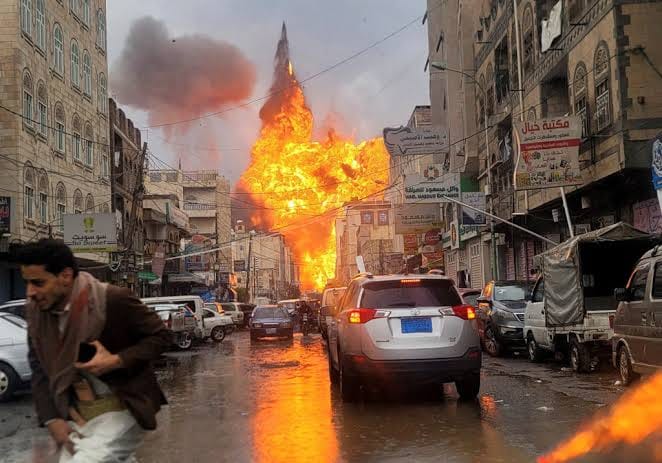
The report lands three days after one of the most devastating attacks Nigeria has seen in years. On Monday March 16, 2026, coordinated suicide bombings struck three locations simultaneously in Maiduguri the Monday Market area, the gate of the University of Maiduguri Teaching Hospital and the Post Office Flyover killing 23 people and injuring 108 others. The attacks came just hours after Boko Haram launched a separate early morning assault on three military formations in Borno State.
The GTI’s findings therefore do not capture the full 2026 picture and the trajectory heading into this year is already deeply worrying.
Nigeria’s climb to fourth place also comes in the context of broader regional deterioration. The Sahel region accounted for nearly half of all terrorism related deaths globally for the third consecutive year in 2025, with jihadist groups including ISWAP and JNIM continuing to expand southward toward West Africa’s coastal countries.
That southward expansion creates a direct security threat to Nigeria’s northern neighbours and, by extension, to Nigeria’s own borders, a reality the federal government has repeatedly acknowledged but struggled to contain.
Civil society organisations including HURIWA have in recent weeks accused the Tinubu administration of running a counterterrorism strategy that has collapsed on the ground pointing to the killing of senior military officers, the overrunning of military bases and the mounting civilian death toll as evidence.
The GTI report provides independent global data to support those concerns.
President Tinubu, currently on a state visit to the United Kingdom, has directed security chiefs to relocate to Maiduguri following Monday’s bombings and vowed that Nigeria will not succumb to fear.