
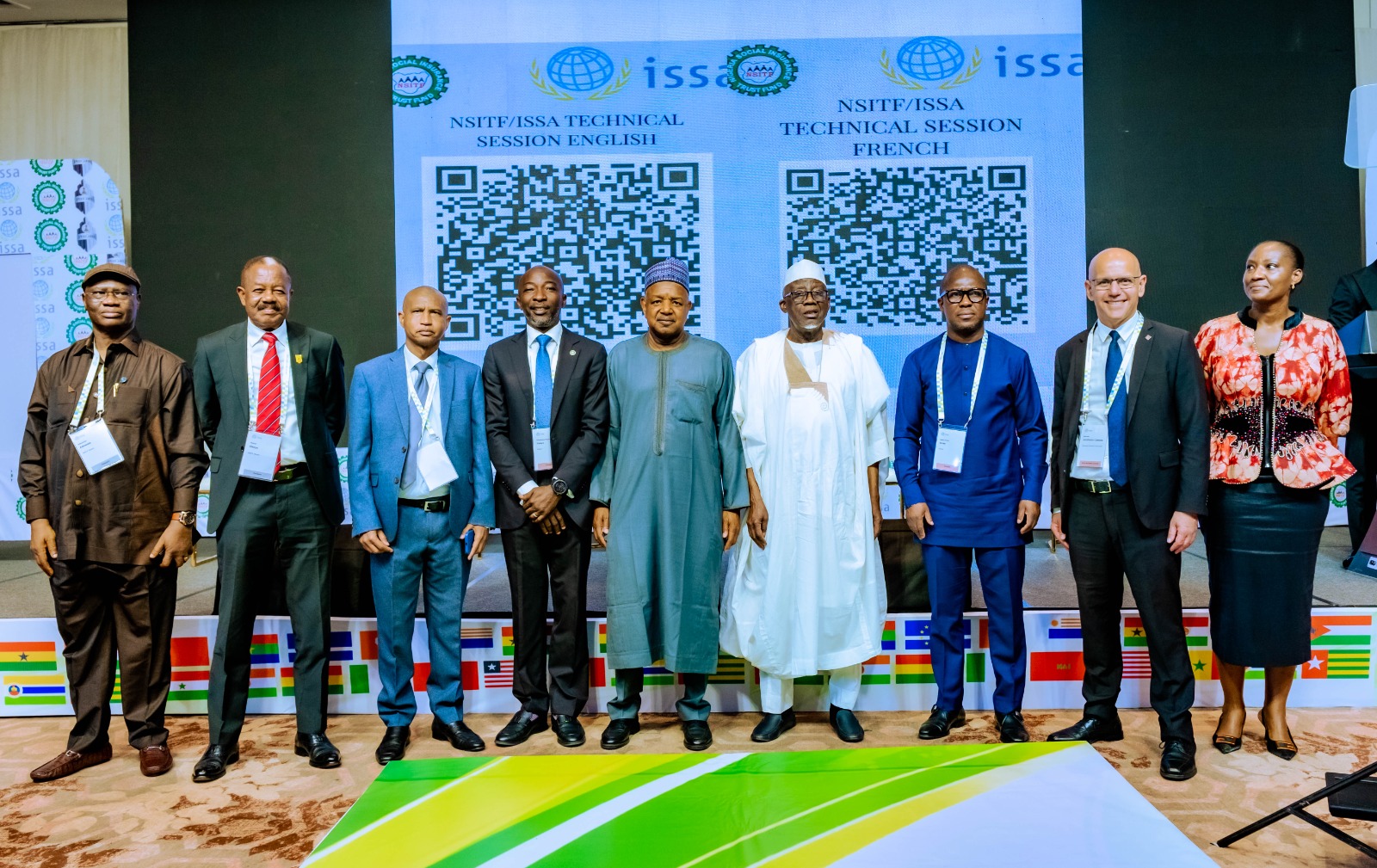
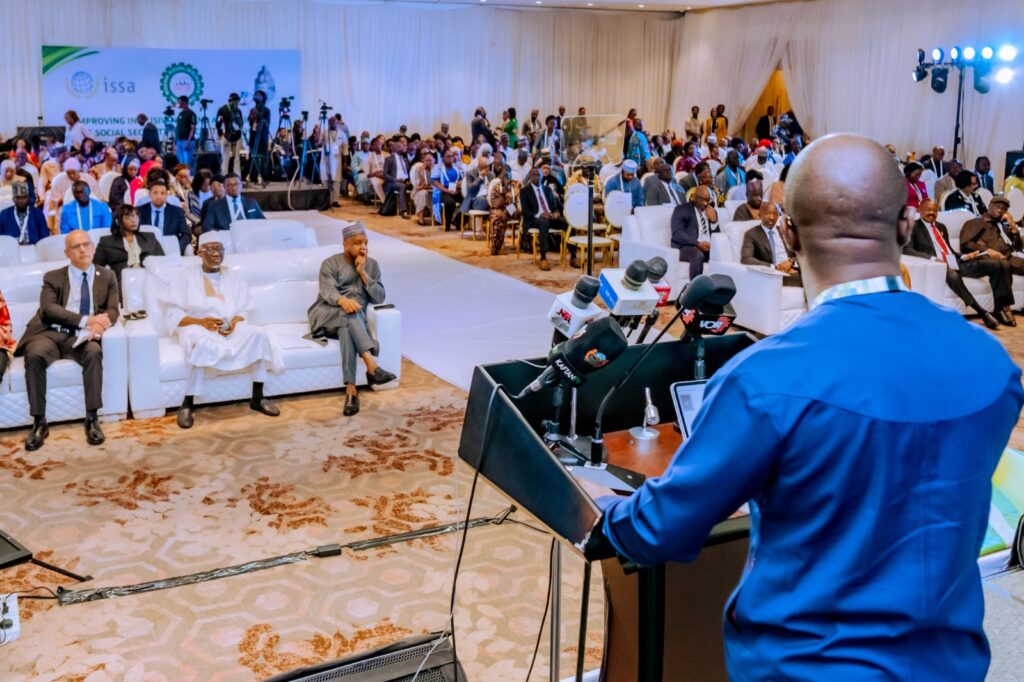
ABUJA, NIGERIA – Nigeria has reaffirmed its commitment to strengthening inclusive social security systems, as policymakers, global experts, and regional stakeholders converged in Abuja for the 2026 International Social Security Association (ISSA) West Africa Technical Seminar.
The two-day seminar, hosted by the Nigeria Social Insurance Trust Fund (NSITF), brought together leaders across West Africa and beyond to explore how effective communication can expand access to social protection systems.
Nigeria Signals Commitment to Global Best Practices
Speaking at the opening, Minister of Labour and Employment, Dr. Mohammed Maigari Dingyadi, said the seminar reflects Nigeria’s commitment to improving governance in social security in line with global standards.
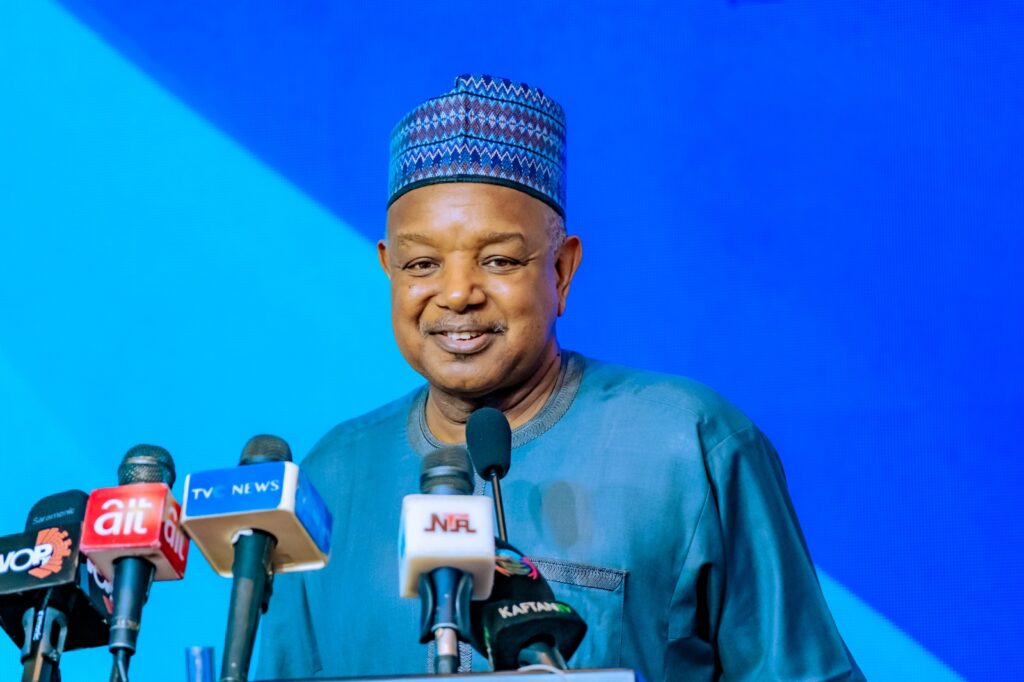
He emphasized that social security has moved beyond a safety net to become “a fundamental pillar for social justice, industrial harmony, and sustainable economic growth.”
Dingyadi noted that rapid technological changes and the expansion of informal employment have made strengthening social protection systems more urgent across developing economies.
He added that the Federal Government remains committed to policies that protect workers, particularly through institutions like the NSITF and the Employee Compensation Scheme.
Regional Leaders Highlight Shared Challenges
Chairman of the ISSA Liaison Office for West Africa, Kwesi Afreh Biney, said millions of workers across the sub-region still lack access to social security despite existing systems.
He attributed the gap largely to poor communication and limited accessibility, stressing that awareness remains a major barrier to inclusion.
“Inclusion in social security is no longer a matter of hope, but one that is extremely important and urgent for our people,” Biney said.
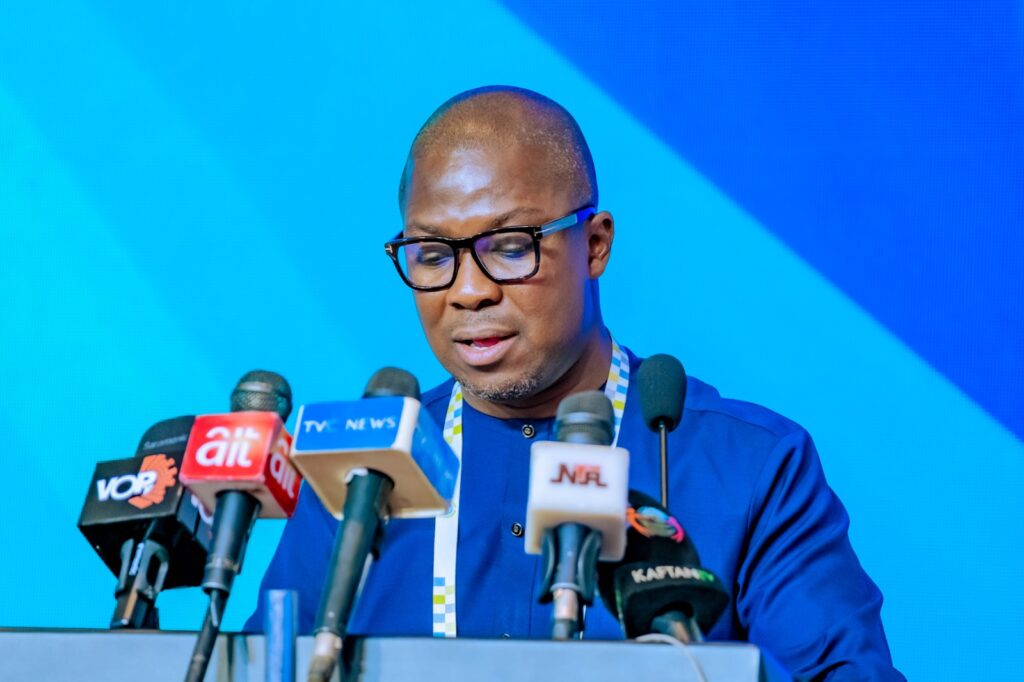
He added that communication must evolve into a strategic tool that builds trust, drives participation, and ensures citizens understand available benefits and how to access them.
Communication Emerges as Central Reform Tool
Across multiple presentations, speakers identified communication as a critical driver of social security reforms in West Africa, especially in reaching underserved populations.
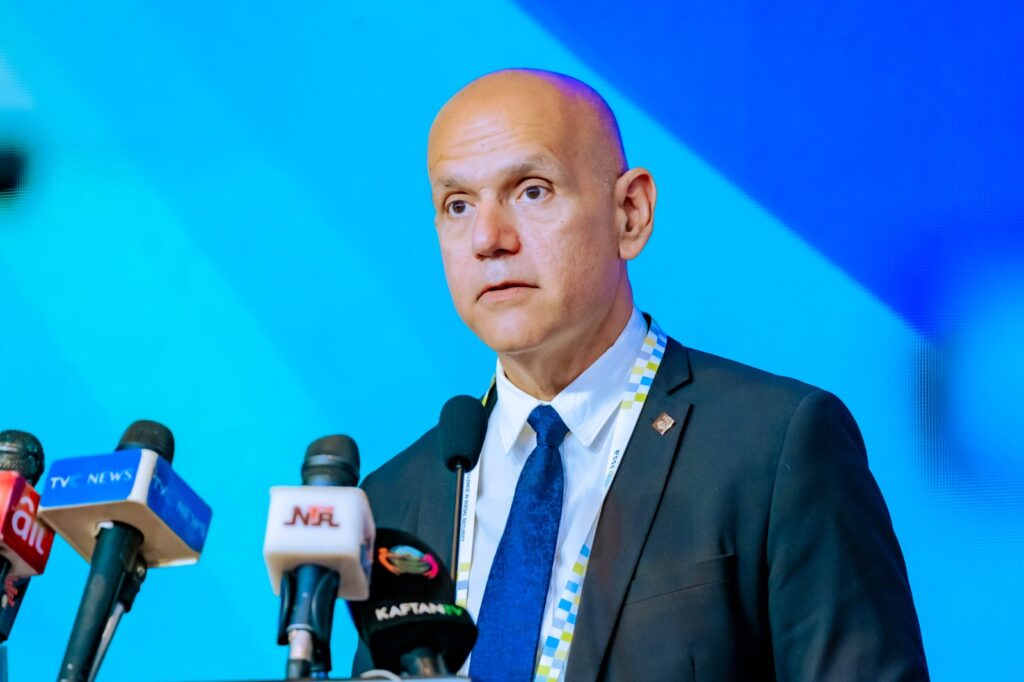
ISSA Secretary-General, Marcelo Abi-Ramia Caetano, said communication now plays a central role in modernizing social security systems globally.
“It is no longer just a means of transmitting information. It is a vehicle for trust, an instrument of transparency, and a strategic lever to ensure services reach those they are meant to protect,” he said.
Caetano noted that many African institutions have already begun adopting innovative communication strategies, guided by ISSA frameworks, to improve service delivery.
ISSA Forum to Convene in Uganda
Caetano also announced that 109 institutions from 48 African countries will participate in the upcoming Regional Social Security Forum in Kampala, Uganda, scheduled for September 1–3, 2026.
He said the forum is expected to attract over 400 experts and leaders, making it one of the largest gatherings on social security in the region.
The ISSA chief further disclosed that Africa recorded a historic milestone in the 2026 Good Practice Awards, with 109 entries from 40 countries.
“This is the highest number ever recorded, not just in Africa but globally across all regions,” he said, describing it as a sign of growing innovation in the sector.
Nigeria Highlights Reform Efforts
Representing President Bola Ahmed Tinubu, Minister of Budget and National Planning, Senator Atiku Bagudu, said Nigeria has implemented several reforms aimed at expanding social protection coverage.
He cited pension reforms, cash transfer programmes, and macroeconomic adjustments as part of broader efforts to ensure sustainable and inclusive growth.
Bagudu stressed that inclusivity must remain central to economic sustainability, noting that growth without inclusion would fail to address systemic inequalities.
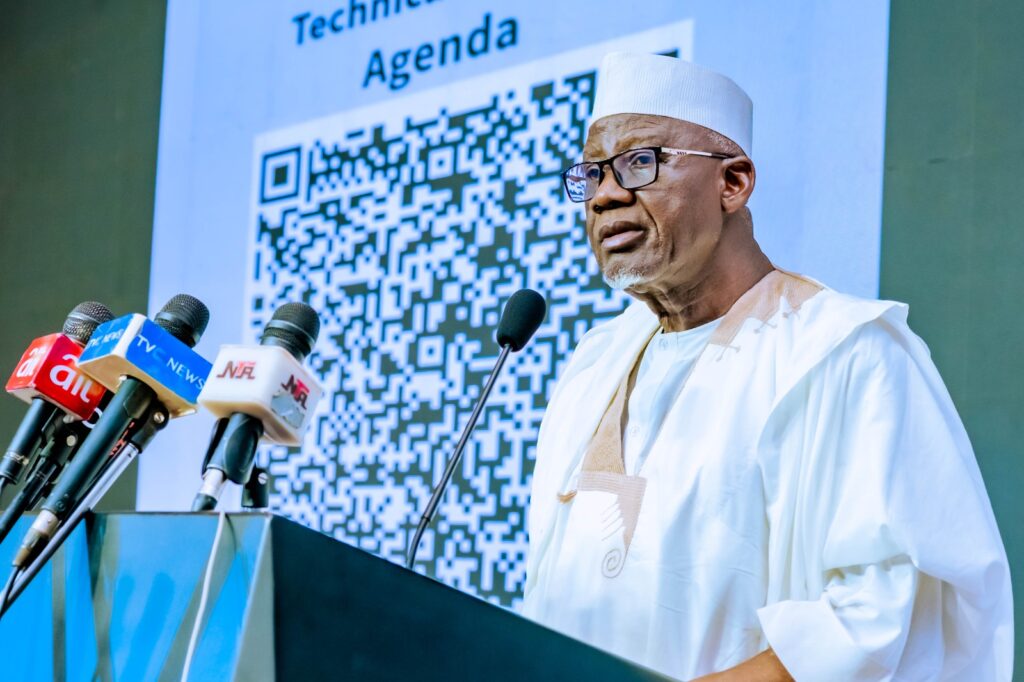
He said Nigeria has also adopted targeted interventions to support low-income populations and ensure that hardworking citizens receive fair economic returns.
Grassroots Strategy Gains Attention
Bagudu revealed that the Federal Government has approved a Renewed Ward Development Plan to decentralize social protection and economic support systems.
He explained that the initiative focuses on Nigeria’s 8,809 wards, where social and economic opportunities will be mapped and governance structures strengthened.
The plan aims to bring social security closer to grassroots communities while improving visibility and accountability in service delivery.
According to him, the strategy will enhance access for vulnerable groups, particularly those in rural and informal sectors.
NSITF Calls for Stronger Regional Collaboration
Earlier, Managing Director of NSITF, Barrister Oluwaseun Faleye, described the seminar as a continuation of regional dialogue on strengthening social security systems.
He recalled that Nigeria accepted the responsibility to host the 2026 seminar during the 2025 technical session held in Conakry, Guinea.
Faleye said discussions at the previous meeting highlighted shared challenges and the need for sustained collaboration among West African institutions.
“We are united by a common purpose to ensure that social security systems remain relevant and that the trust placed in them is not misplaced,” he said.
Global Insights Shape Regional Discussions
Faleye noted that insights from the ISSA World Social Security Forum in Kuala Lumpur also influenced the agenda for the Abuja seminar.
He said global discussions revealed that social security institutions face increasing pressure to remain relevant amid changing economic and demographic realities.
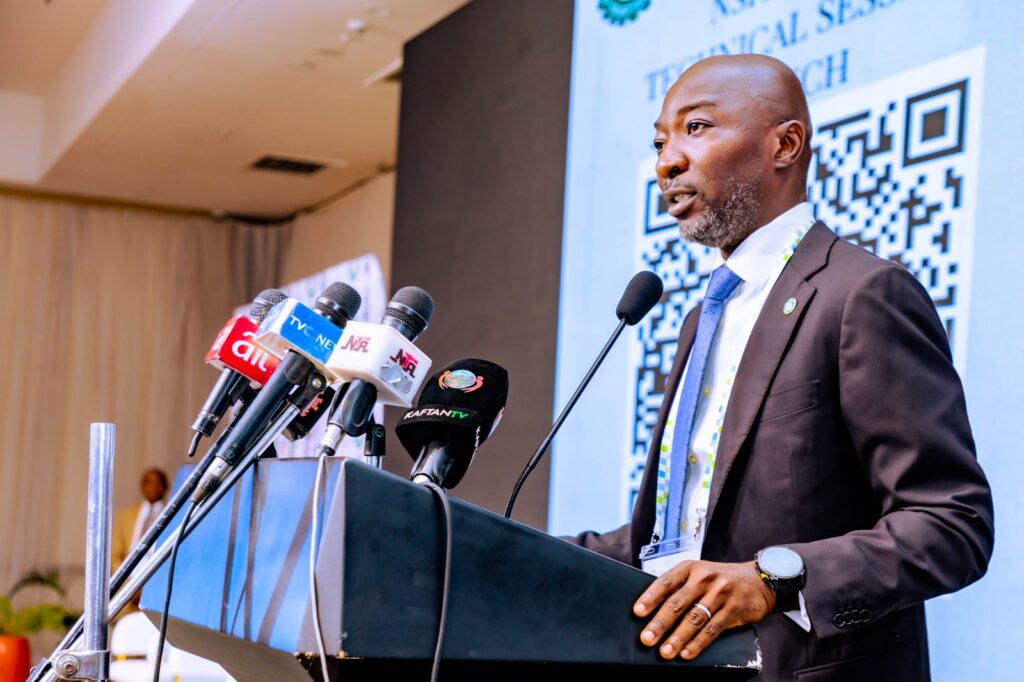
According to him, trust and legitimacy have become key benchmarks for evaluating the effectiveness of social protection systems worldwide.
Digital Transformation and Inclusion
Speakers at the seminar also emphasized the role of digital transformation in expanding social security coverage across the region.
Biney said while digital tools offer new opportunities, institutions must balance technology with community-based engagement strategies.
He warned that over-reliance on digital platforms could exclude vulnerable populations without access to technology.
Experts agreed that combining digital innovation with grassroots communication would improve outreach and participation significantly.
Focus on Informal Sector Workers
Participants repeatedly highlighted the need to design social security systems that accommodate informal sector workers, who make up a large portion of West Africa’s workforce.
Dingyadi said accessibility challenges require policymakers to rethink service delivery models to reach workers outside traditional employment structures.
Faleye added that effectiveness must be measured by how quickly and efficiently benefits are delivered to beneficiaries.
“Delays erode trust and weaken confidence in our systems,” he said, calling for reforms that prioritize timely service delivery.
Strengthening Institutional Capacity
The Minister of Labour also reiterated government commitment to strengthening institutions responsible for implementing social security policies in Nigeria.
He said the Ministry is working towards ratifying the International Labour Organization Convention No. 102 on Social Security.
This move, he noted, would align Nigeria’s social protection framework with international standards and enhance its credibility globally.
He added that the National Directorate of Employment continues to play a vital role in job creation and skills development for Nigerian youth.
West Africa Positioned for Growth
Despite existing challenges, speakers expressed optimism about the future of social security in West Africa, citing ongoing reforms and increased regional cooperation.
Caetano described the region as one of the most dynamic globally, driven by a youthful population, innovation, and resilience.
He said recent improvements in service delivery, digitalization, and institutional partnerships demonstrate strong progress across African social security systems.
Call for Sustained Engagement
As the seminar continues, stakeholders are expected to share best practices, explore new communication strategies, and deepen collaboration across borders.
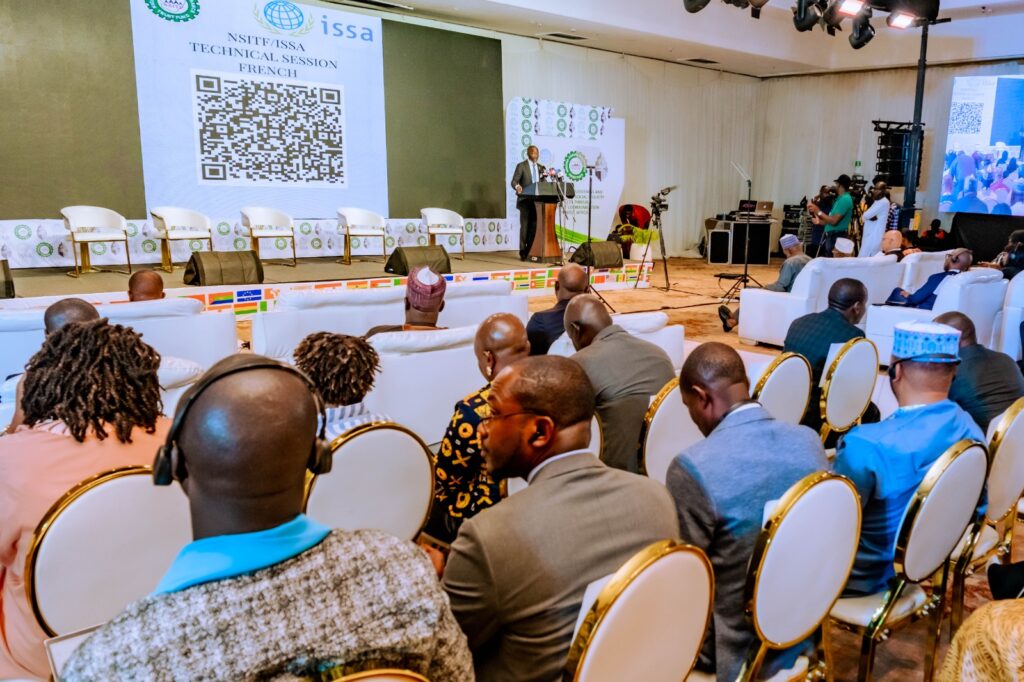
Biney urged participants to use the platform to rethink how institutions engage with citizens and ensure no one is left behind.
He stressed that effective communication remains the bridge between policy design and real impact on people’s lives.
Looking Ahead
With the Abuja seminar setting the tone, attention now shifts to the Regional Social Security Forum in Uganda, where broader continental strategies will be discussed.
Stakeholders say outcomes from both gatherings could shape the future of social protection systems across Africa.
Truth live news report that for Nigeria, the event reinforces its position as a key player in advancing inclusive and accessible social security in West Africa.
Most Viewed Posts
- Supporting Siminalayi Fubara: Why Rivers People Deserve Continuity Of Purpose In 2027 – Dr William Omuna
- President Tinubu’s Achievements That Strengthen Case For Second Term – Amuna
- EFCC Arraigns Gombe Magistrate Over Alleged ₦1.4m Bribery
- William Omuna Declares Bid For Rivers East Senate, Says It Deserves Senator Who Shows Up
- Just In: APC Announces Date For Presidential Primary, Fixes Nomination Form At ₦100m