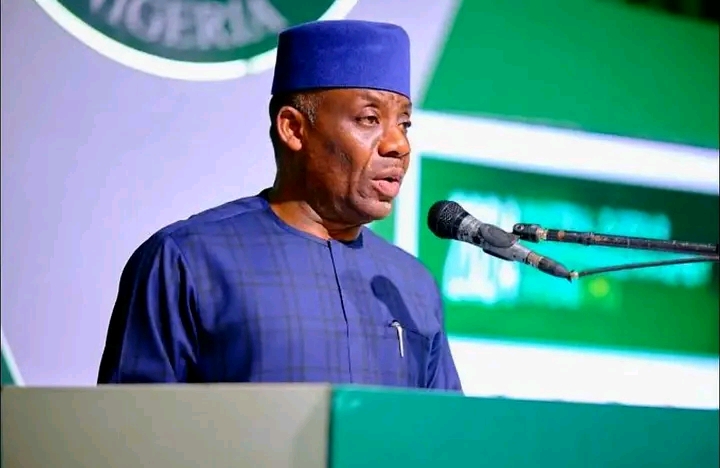

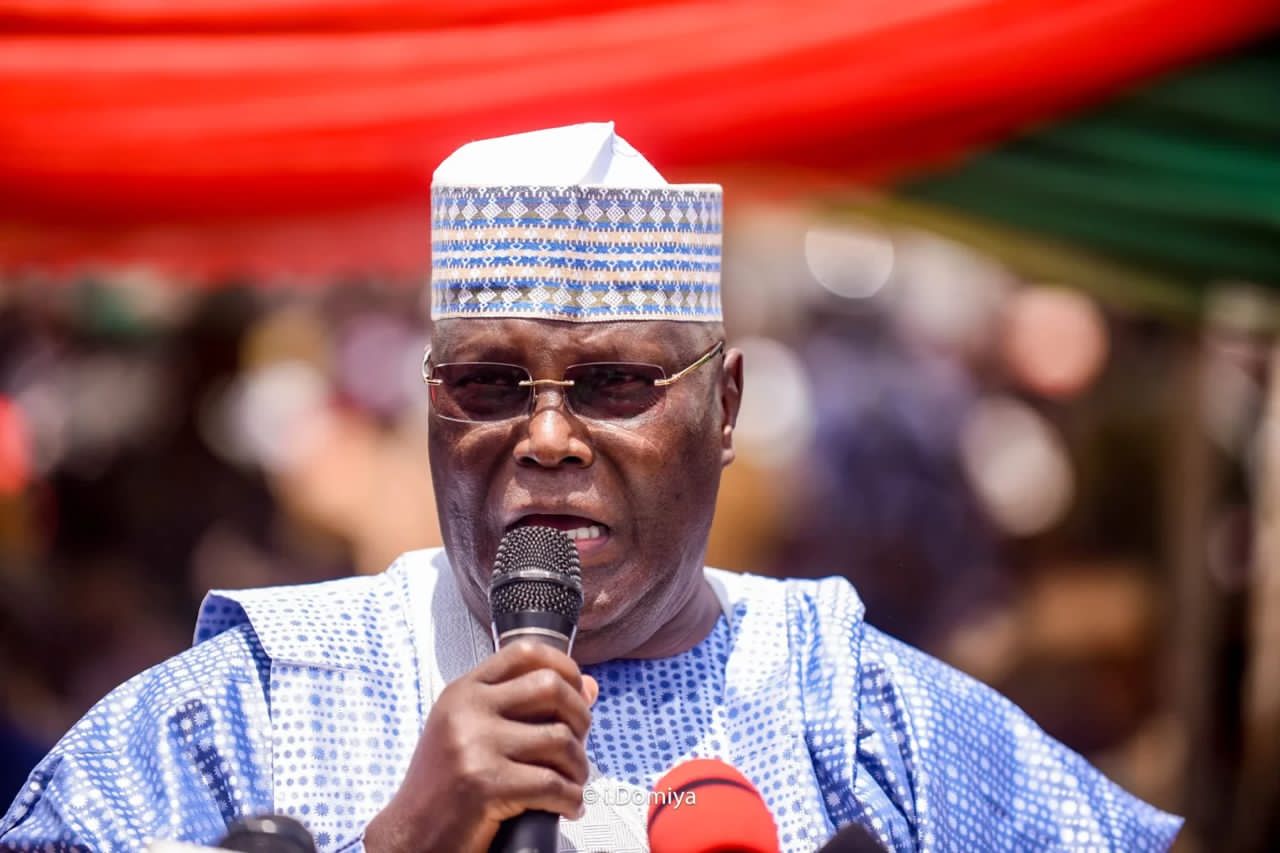
The presidential candidate of the African Democratic Congress, Atiku Abubakar, has fired back at the Minister of the Federal Capital Territory, Nyesom Wike, over claims that neither he nor the ADC would secure up to 10 per cent of the votes cast in Rivers State during the 2027 presidential election.
Wike, a former governor of Rivers State, made the remarks on Saturday, May 30, 2026, while speaking at a luncheon organised in honour of candidates of the Rainbow Coalition for the 2027 elections in the state.
The minister also asserted that no governorship candidate outside the Rainbow Coalition would emerge victorious in the 2027 election, insisting that only the coalition’s consensus candidate would win the contest.
Reacting in a statement issued on Monday, June 1, 2026, through his Senior Special Assistant on Public Communication, Phrank Shaibu, Atiku dismissed Wike’s prediction, saying the people of Rivers State were intelligent enough to determine their political future without interference.
According to the former vice president, no individual, regardless of political influence or access to federal power, can dictate how an entire state will vote.
Atiku argued that Wike’s comments reflected growing anxiety within President Bola Tinubu’s camp over the emergence of a strong opposition coalition under the ADC ahead of the 2027 general election.
He described it as both amusing and troubling that the FCT minister now speaks as though Rivers voters are his personal property to be allocated at will.
“Rivers votes are not your property. The people of Rivers State are not political slaves. They are intelligent, independent-minded Nigerians who will make their choices based on the realities confronting them and the future they desire for their children.
“No individual, regardless of influence or access to federal power, can dictate how an entire state will vote,” the statement read.
Atiku further maintained that Nigerians are more concerned about pressing national challenges, including the rising cost of living, worsening insecurity and economic hardship, than political predictions from public officials.
He added that citizens would ultimately make their decisions based on the performance of leaders and the solutions offered to the country’s challenges ahead of the next general election.