
AKAMKPA, CROSS RIVER – Reactions have continued to trail the destruction of a six-hectare cannabis farm in Cross River, as citizens question policy direction and enforcement priorities.
Many respondents, reacting through Boki Blog Africa social media handle monitored by Truth Live News, expressed mixed feelings over the operation and its implications.
Engr. Samuel Ituma acknowledged NDLEA’s efforts but urged authorities to rethink outright destruction of cannabis, advocating regulated medical utilisation instead.
He argued that several countries now harness cannabis for pharmaceutical production, generating revenue and improving healthcare systems through structured legislation and control.
“Our leaders should do better,” Ituma stated, suggesting Nigeria could transform enforcement challenges into economic opportunities with proper policy reforms.
Kennedy Njar-Nsan took a stronger stance, comparing Nigeria’s oil revenue with cannabis earnings in Canada, calling current prohibition policies outdated.
He said that if given legislative power, he would champion reforms to end what he described as economic waste and missed foreign exchange opportunities.
“This is madness in this century,” Njar-Nsan said, insisting Nigeria should export cannabis to legal markets instead of destroying valuable resources.
Charles Daniel Kiddy framed the issue within unemployment realities, arguing that the suspect may have turned to cannabis farming to avoid criminal activities.
He criticised government agents for destroying what he described as “hard-earned sweat,” questioning the fairness of enforcement in a struggling economy.
“Countries plant and export these products,” Kiddy noted, asking when Nigeria would adopt more pragmatic and economically beneficial approaches.
Eli Makanaki dismissed the operation entirely, suggesting authorities should prioritise insecurity rather than targeting cannabis farmers in rural communities.
He called for the release of the arrested suspect, reflecting a broader sentiment among some respondents who view enforcement priorities as misplaced.
Collins Ene raised procedural concerns, questioning what constitutes legal cultivation and whether clear frameworks exist for those willing to operate within the law.
“Asking for a friend,” he added, highlighting the confusion among citizens about cannabis legality and regulatory pathways in Nigeria.
- After Deadly Fire, Edo Govt Moves To Fix Failed Sections Of Oluku Road
- Edo NLC Backs BEDC Strike, Warns Against Mass Sack Threats
- BREAKING: Ex-Delta Governor Uduaghan Dies At 71, Family Announces
- 2027: Kwankwaso Rules Out Withdrawal For ADC, Insists Obi-Kwankwaso Ticket Will Remain In Race
- ₦3bn Cable Theft: Scrap Dealers Challenge Zulum To Produce Evidence
Bawa Faith Light questioned the handling of seized substances, asking why authorities would “pack” cannabis instead of destroying it completely if deemed illegal.
Sam Mee introduced a satirical perspective, contrasting government ownership of natural resources like oil with individual liability in cannabis-related cases.
Samuel Dickson criticised enforcement imbalance, alleging authorities overlook harder drugs like cocaine and tramadol while focusing on cannabis cultivation.
He suggested that powerful interests might influence selective enforcement, leaving more dangerous trafficking networks largely unchecked.
Dominic Jidenna echoed concerns about national security priorities, stating that agencies appear more effective in minor operations than tackling banditry.
Endurance Akpan, however, adopted a defensive tone towards the farmer, blaming economic hardship and poor governance for pushing individuals into such ventures.
The reactions underline a growing public debate over cannabis policy, enforcement priorities, and broader socio-economic challenges in Nigeria’s drug control strategy.
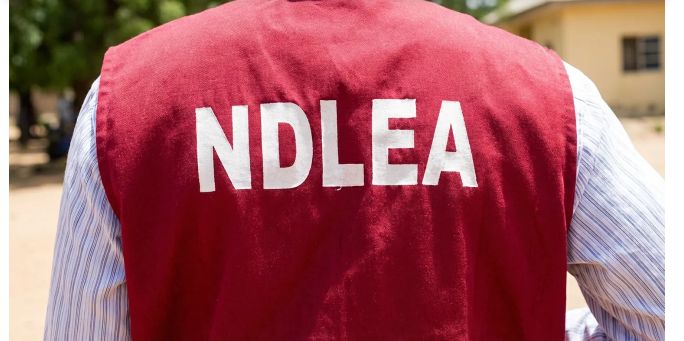
The development follows an earlier operation by operatives of the National Drug Law Enforcement Agency, working alongside troops of the Nigerian Army 13 Brigade in Calabar.
Authorities had uncovered and destroyed over six hectares of cannabis farmland located in Uwet community, Akamkpa Local Government Area of Cross River State.
The raid was executed based on credible intelligence indicating large-scale illegal cannabis cultivation activities within the remote community.
During the operation, security agents arrested one female suspect found on the farmland, marking a significant enforcement outcome for the agencies involved.
Officials confirmed the recovery of 119 kilograms of already processed cannabis, while approximately two tonnes of the substance were destroyed at the site.
The NDLEA maintained that the destruction aligns with its mandate to curb illicit drug production, trafficking, and abuse across Nigeria.
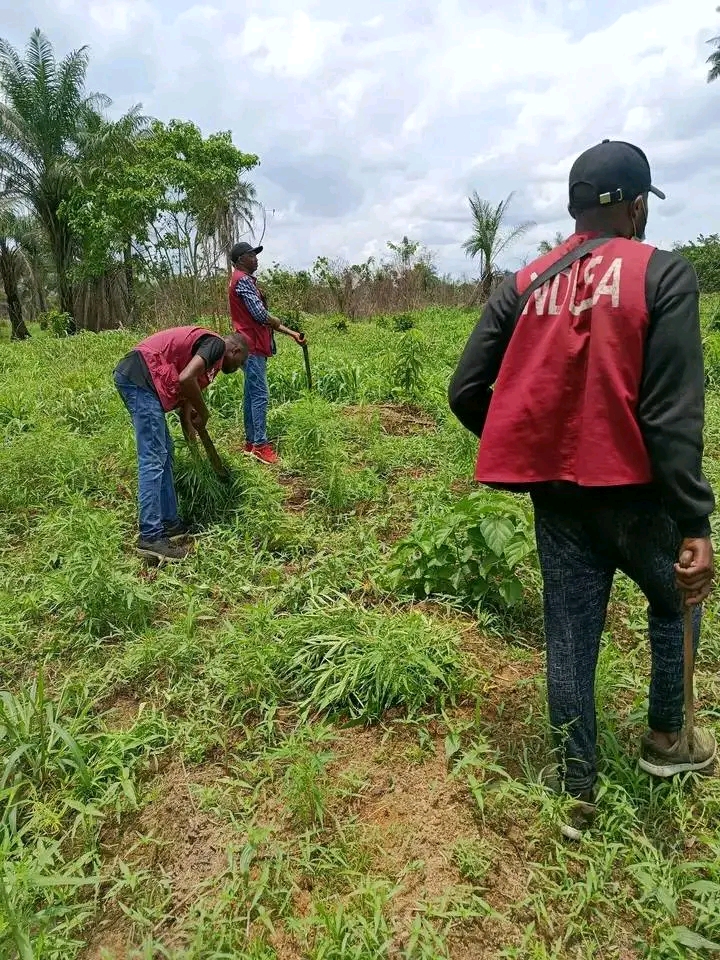
Spokespersons added that investigations are ongoing, with intelligence efforts intensifying to identify and dismantle additional cultivation networks in the region.
Authorities emphasised their commitment to sustained operations aimed at eliminating drug-related activities that threaten public health and national security.
However, the wave of public reactions suggests that beyond enforcement, there is an increasing call for policy conversations around regulation, economic utilisation, and reform.
Experts note that Nigeria currently maintains strict prohibition laws on cannabis, except for limited medical and scientific research under tightly controlled conditions.
Despite this, global trends indicate a shift toward legalisation or decriminalisation, particularly for medical use, raising questions about Nigeria’s long-term policy direction.
Analysts argue that balancing law enforcement with economic and healthcare considerations may become necessary as public discourse continues to evolve.
For now, the NDLEA insists that its focus remains on enforcing existing laws, warning that illegal cultivation and trafficking will attract severe consequences.
The Cross River operation stands as one of several recent crackdowns aimed at dismantling drug production hubs across various parts of the country.
Yet, as reactions show, the conversation has moved beyond enforcement to include governance, economic policy, and the realities facing ordinary citizens.
Observers say how authorities respond to these concerns may shape future engagement between law enforcement agencies and the communities they serve.
Most Viewed Posts
- Supporting Siminalayi Fubara: Why Rivers People Deserve Continuity Of Purpose In 2027 – Dr William Omuna
- President Tinubu’s Achievements That Strengthen Case For Second Term – Amuna
- Just In: APC Announces Date For Presidential Primary, Fixes Nomination Form At ₦100m
- EFCC Arraigns Gombe Magistrate Over Alleged ₦1.4m Bribery
- Nationwide Relief as Dangote Reduces PMS Ex-Depot Price to ₦699