

The Federal Government has issued a stern warning to the World Bank, threatening to walk away from loan arrangements that take more than six months to receive approval and disbursement.
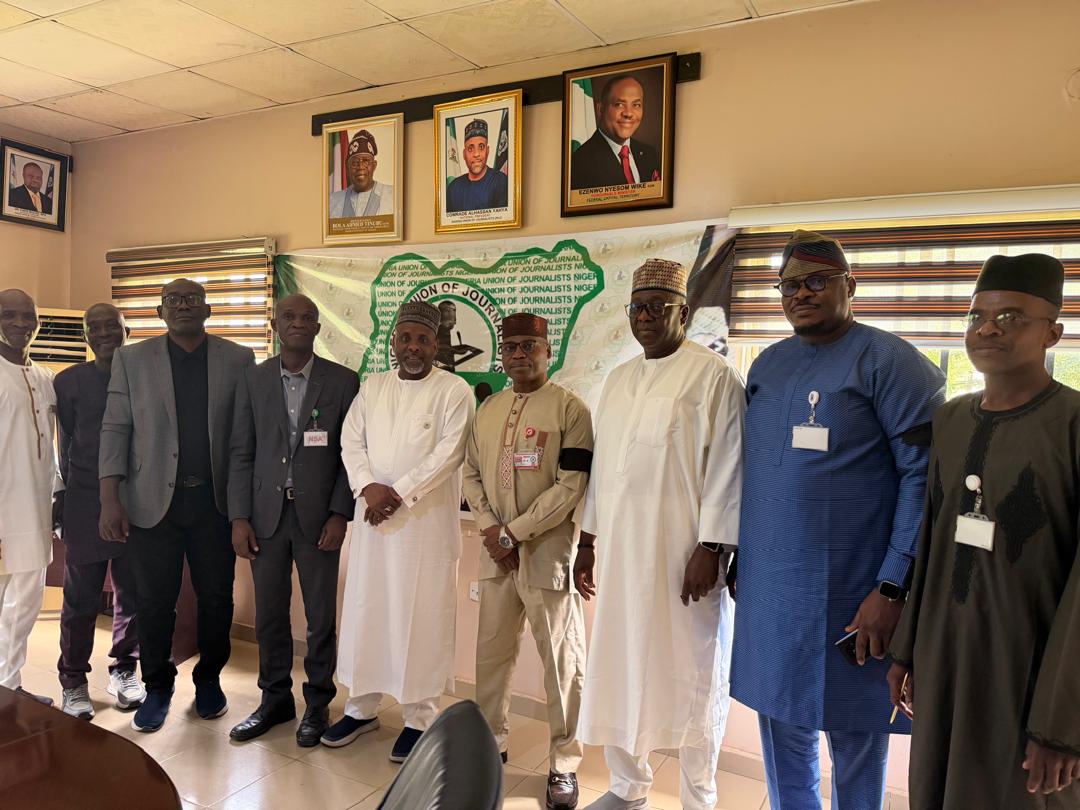
The Accountant-General of the Federation (AGF), Dr. Shamseldeen Babatunde Ogunjimi, made the appeal in Abuja during a courtesy visit by a World Bank delegation led by Mrs. Treed Lane, Manager of the World Bank Team.
He noted that Nigeria expects faster processing of funding requests because the facilities are repayable loans rather than grants, and that prolonged delays in accessing approved funds could undermine the effectiveness of projects tied to the financing arrangements.
The warning comes amid reports that about six loans worth $2 billion, signed for Nigeria in 2024, are yet to be disbursed nearly a year after the World Bank’s approval.
This is part of a broader $8.40 billion (N12.89 trillion) in fresh loans approved for the country over the past two years, spanning 15 projects in energy, education, healthcare, rural infrastructure, and governance.
The AGF stressed that as a responsible borrower, Nigeria should not be subjected to extended approval timelines that hinder project execution and national development goals, and therefore called on the World Bank to expedite the processing and release of funds to align with the country’s fiscal planning and project schedules.
On steps being taken to address the World Bank’s own concerns, the AGF disclosed that the Office of the Accountant-General of the Federation has begun addressing critical concerns previously raised by the World Bank, particularly in public financial management statements and audit reporting.
He said the 2023 Audit Report will be submitted to the Office of the Auditor-General for the Federation within two weeks, while work on the 2024 and 2025 audit reports is ongoing.
He further assured the delegation that issues surrounding the digitalisation of the Government Integrated Financial Management Information System (GIFMIS) are being tackled, with outdated infrastructure currently being replaced by modern technology to improve efficiency and service delivery.