

Iran has announced it will not participate in the 2026 FIFA World Cup following the killing of its Supreme Leader, Ali Khamenei, in joint attacks carried out by the United States and Israel.
The decision was confirmed by Iran’s Minister of Sports and Youth, Ahmad Donyamali, who said the country’s national football team will not travel to the United States for the tournament due to the ongoing political and security crisis.
Speaking in a televised interview on Wednesday March 11, Donyamali said the circumstances surrounding the death of the Iranian leader make participation in the global competition impossible.
“Since this corrupt government assassinated our leader, we have no conditions under which we can participate in the World Cup,” he said.
The announcement comes amid rising tensions across the Middle East following the attacks that killed Khamenei. Iran has since launched retaliatory strikes targeting U.S. military bases and Israeli-linked facilities in the region, drawing multiple countries into an increasingly volatile conflict.
Iranian officials say several thousand people have died in recent months as a result of the escalating hostilities, which Tehran describes as wars imposed on the country.
The 2026 FIFA World Cup is scheduled to take place in June and July across the United States, Canada and Mexico. The tournament will be the first World Cup to feature 48 participating teams.
Iran had previously qualified for the competition and was drawn into a group alongside Belgium, New Zealand and Egypt. Their group-stage matches were scheduled to be played in Los Angeles and Seattle.
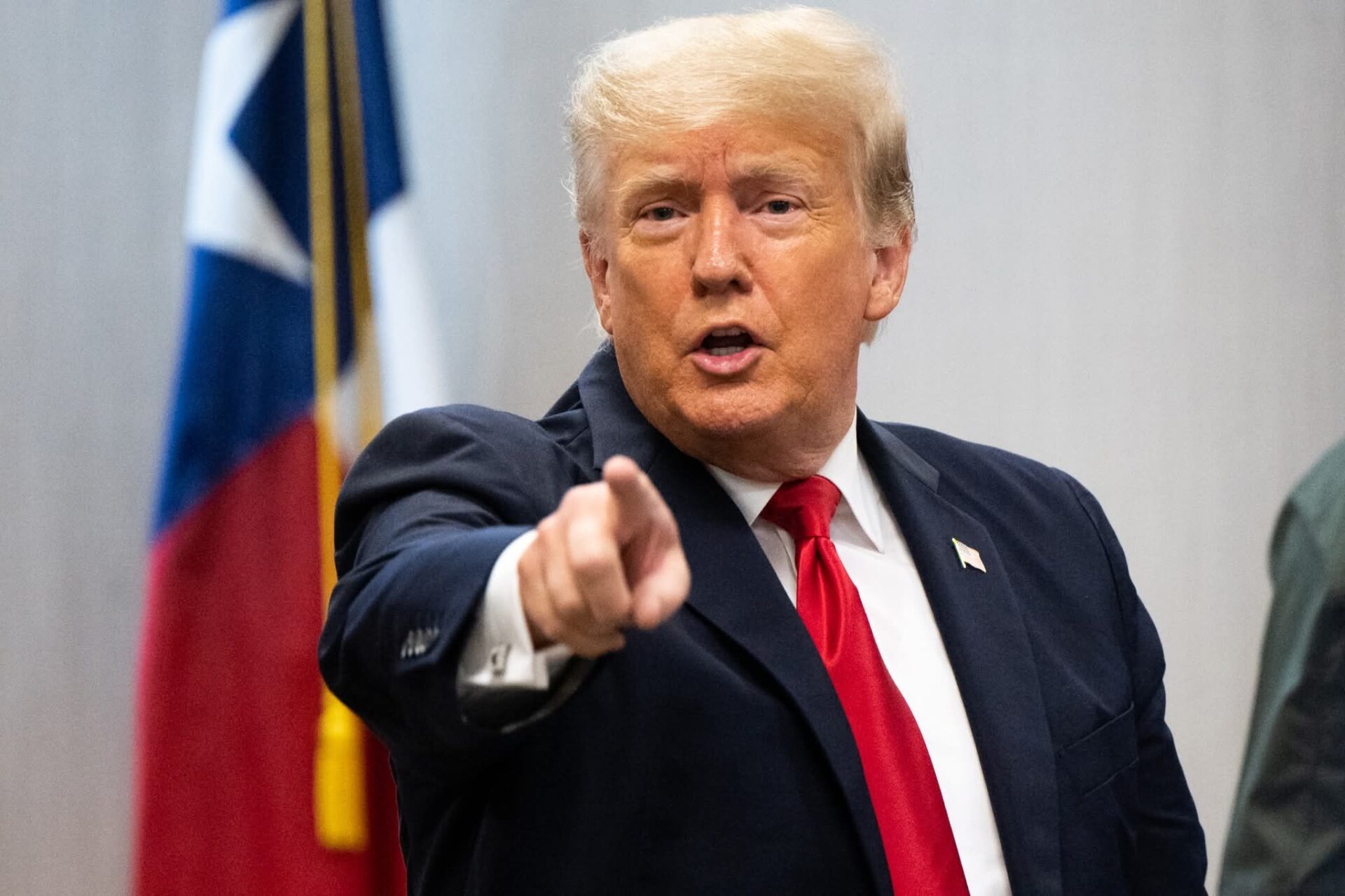
Prior to Iran’s announcement, Gianni Infantino, president of FIFA, said he had discussed Iran’s participation with Donald Trump and received assurances that the Iranian team would be allowed to compete despite the political tensions.
Iran’s withdrawal now leaves FIFA with the task of determining how to fill the vacant slot in the tournament. The organization has not yet announced whether another national team will be invited to replace Iran.
The development highlights how geopolitical conflicts can spill over into global sporting events, potentially reshaping the lineup of one of the world’s most watched competitions.