
No fewer than 397 Nigerians are currently undergoing screening for voluntary repatriation from South Africa amid rising xenophobic tensions and growing anti-foreigner campaigns across parts of the country.
The screening exercise, which commenced on Thursday, June 4, 2026, and is expected to conclude on Sunday, June 7, 2026, is being conducted under the supervision of the South African Police Service, the Department of Home Affairs, and the Department of International Relations and Cooperation.
The President of the Nigerian Citizens Association in South Africa, Reverend Frank Onyekwelu, disclosed this on Friday, June 5, 2026, while providing an update on the repatriation process.
According to Onyekwelu, more than 600 Nigerians initially applied to return home for various reasons, but only 397 individuals were cleared to participate in the first evacuation exercise following security and immigration screening.
“The screening for the repatriation started on Thursday and will end on Sunday, after which about 397 people will be on the first flight back home,” he said.
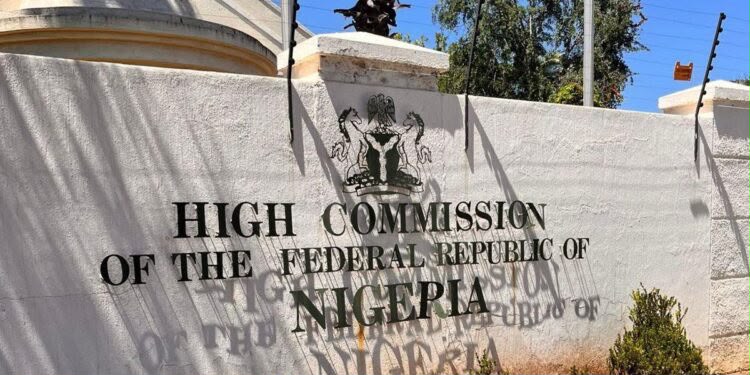
He noted that the date for the first evacuation flight has yet to be determined, as the Nigerian Consulate and the Nigerian High Commission in South Africa continue discussions with the Federal Government to finalise the necessary arrangements.
Onyekwelu explained that many of those seeking to return to Nigeria had lost their jobs, businesses, or legal immigration status in South Africa.
“Some of them have become undocumented migrants because their permits were not renewed. The screening is to ensure that those returning do not have criminal cases pending,” he added.
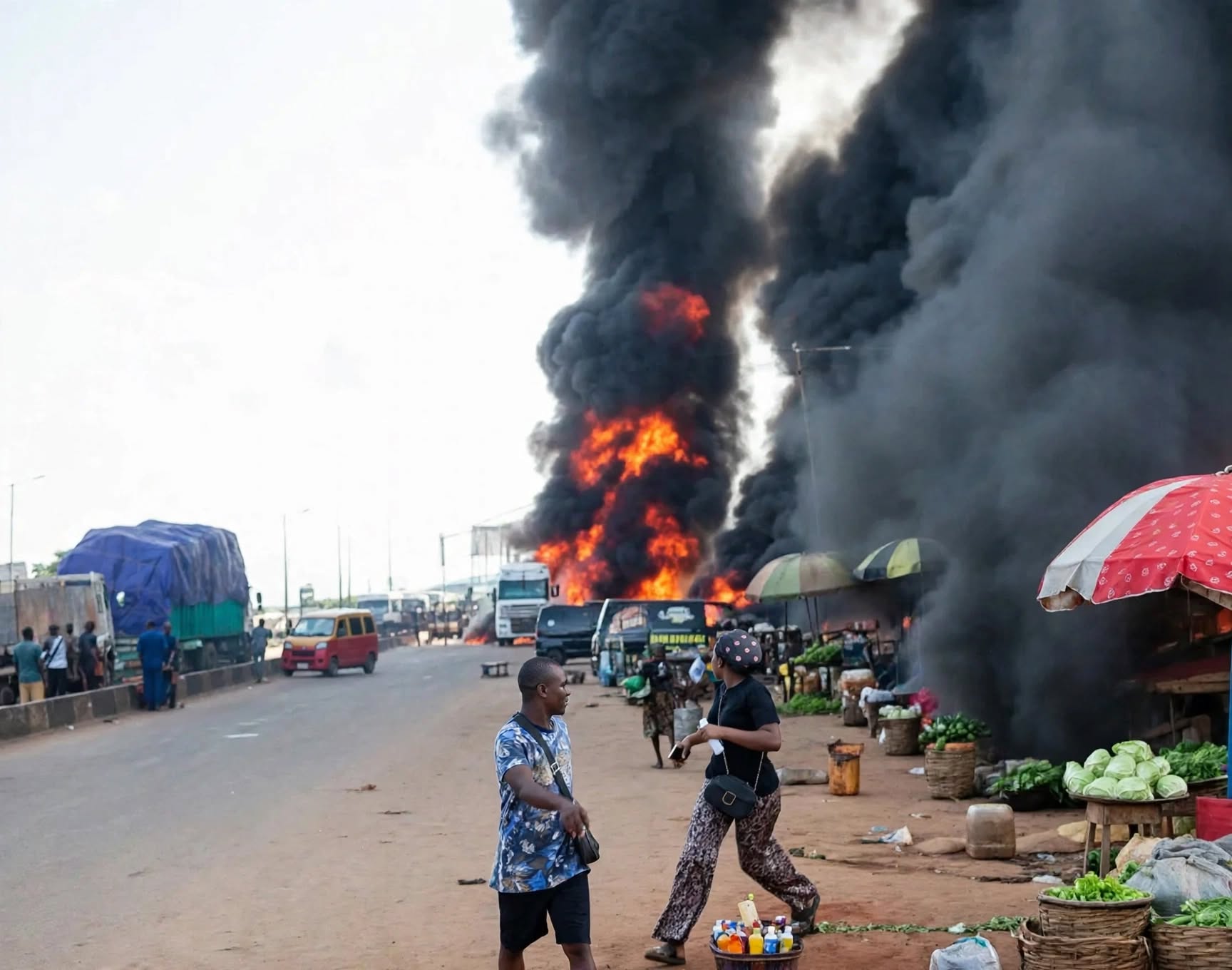
The planned repatriation comes against the backdrop of increasing anti-foreigner sentiment in South Africa. Reports indicate that since the beginning of 2026, protests targeting foreign nationals have been recorded in several cities, including Johannesburg, Pretoria, Durban, Cape Town, Eastern Cape, and KwaZulu-Natal.
Nigerians are among the foreign nationals reportedly affected by the demonstrations and growing calls for stricter immigration enforcement.
Authorities in the eThekwini Municipality were also reported to have moved some foreign nationals in Durban to screening centres for documentation verification as part of ongoing immigration compliance measures.
Meanwhile, many Nigerians remain anxious over developments in KwaZulu-Natal, where groups advocating for the removal of foreign nationals have reportedly issued threats demanding that foreigners leave the province before June 30, 2026.
Despite the concerns, Nigerian community leaders say they are working closely with both Nigerian and South African authorities to ensure that affected citizens receive the necessary support throughout the repatriation process.