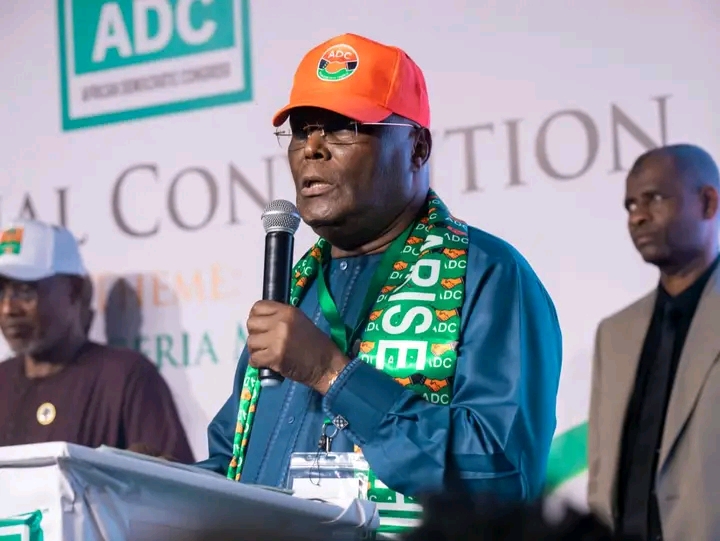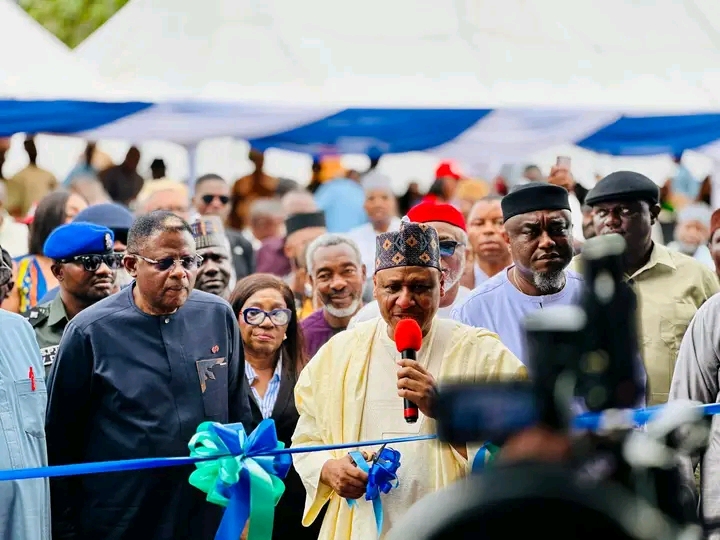

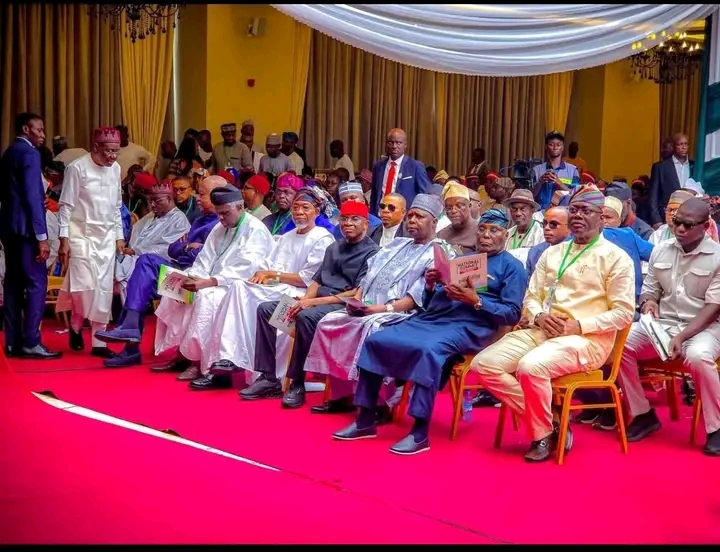
Nigeria’s opposition parties on Saturday , 25th of April, 2026 intensified calls for a consensus presidential candidate ahead of the next general election, signaling a strategic shift aimed at presenting a formidable front against the ruling All Progressives Congress (APC).
Key opposition figures from parties including the Peoples Democratic Party (PDP), the African Democratic Congress(ADC) and the Labour Party met in a closed-door session to deliberate on the possibility of fielding a single, unified candidate capable of galvanizing widespread national support.
Party leaders including ; Seyi Makinde the Governor of Oyo state, Former Vice and now ADC chieftain, Atiku Abubakar and Former Governor of Anambra state, Mr. Peter Obi, among others emphasized that a fragmented opposition had historically diluted votes and handed electoral victories to the ruling party, making unity not just desirable but essential.
At the same meeting, opposition stakeholders issued a strong demand for the immediate removal of the Independent National Electoral Commission (INEC) Chairman, accusing him of partisan conduct and a lack of institutional independence.
The opposition alleged that recent electoral decisions and administrative actions by INEC leadership had consistently favored the ruling party, undermining public confidence in the electoral process.
They argued that credible elections could not be guaranteed under the current leadership and called on the presidency and the National Council of State to act swiftly in replacing the commission’s leadership with individuals of proven integrity and impartiality.
Civil society groups and political analysts have given mixed reactions to the opposition’s twin demands. While many democracy advocates welcomed the push for electoral reform and a more independent INEC, some analysts expressed skepticism about the opposition’s ability to reach a genuine consensus candidate, citing deep-seated personal ambitions and inter-party rivalries that have derailed similar efforts in the past.
The coming weeks are expected to be critical as political negotiations intensify, with Nigerians watching closely to see whether the opposition can translate its demands into a cohesive and credible electoral strategy.