
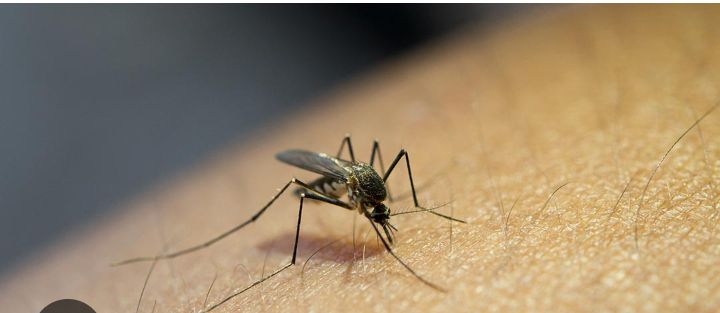
WORLD – Global reactions have intensified as health experts, policymakers, and citizens mark World Malaria Day 2026 with urgent calls for action.
Stakeholders, speaking across public platforms monitored by Truth Live News, stressed that progress against malaria remains fragile despite scientific breakthroughs.
The campaign theme, “Driven to End Malaria: Now We Can. Now We Must,” has triggered renewed debates on funding, innovation, and accountability.
.
According to the World Health Organization, global momentum must accelerate to prevent setbacks in malaria control efforts.
Health advocates argued that while tools exist, political will and sustained investment remain critical to achieving long-term elimination goals.
A public health analyst, reacting to the campaign, said governments must “match scientific progress with financing and implementation commitment immediately.”
Another stakeholder noted that communities continue to bear the burden, urging leaders to prioritise accessible healthcare delivery systems across endemic regions.
Data from the World Malaria Report 2025 indicates both progress and alarming stagnation in global malaria response efforts.
The report shows that 37 countries recorded fewer than 1,000 malaria cases in 2024, reflecting measurable gains in targeted interventions.
However, 47 countries have achieved malaria-free certification, demonstrating that elimination remains possible with sustained commitment and coordinated strategies.
Despite these gains, the report revealed that approximately 282 million malaria cases were recorded globally in 2024.
It further confirmed that malaria-related deaths reached about 610,000 in 2024, representing a slight increase compared to the previous year.
Health experts described the rise in mortality as a warning signal, emphasising that progress could reverse without urgent corrective measures.
Officials from the WHO acknowledged scientific advancements, including vaccines, improved treatments, and next-generation mosquito control technologies.
They stated that 25 countries are currently rolling out malaria vaccines, protecting an estimated 10 million children annually from infection risks.
An official familiar with the programme said vaccine deployment marks a “major breakthrough” in reducing child mortality and severe malaria complications.
The WHO also highlighted that 84 percent of mosquito nets distributed in 2024 were next-generation insecticide-treated variants.
These improved nets, experts say, offer stronger protection against resistant mosquito populations, particularly in high-burden African countries.
Despite these advances, biological threats continue to undermine progress, including growing resistance to antimalarial drugs and insecticides.
The WHO confirmed partial resistance to artemisinin-based therapies in several African countries, raising concerns about treatment effectiveness.
In addition, resistance to pyrethroid insecticides has been detected in most malaria-endemic countries, weakening traditional prevention strategies.
Experts warned that diagnostic challenges are also emerging, with genetic mutations causing some rapid test kits to fail in detecting infections.
The spread of invasive mosquito species, particularly Anopheles stephensi, has further complicated malaria control in urban areas.
Public health commentators described these developments as “serious threats” requiring urgent innovation and adaptive response strategies.
Beyond biological challenges, systemic issues such as funding gaps continue to hinder global malaria elimination efforts.
The WHO reported that global malaria funding reached 3.9 billion dollars in 2024, far below the 9.3 billion dollar target for 2025.
Analysts said the resulting 5.4 billion dollar shortfall leaves many national programmes under-resourced and unable to scale interventions effectively.
A development expert noted that inconsistent donor support disrupts surveillance, treatment campaigns, and prevention strategies in vulnerable regions.
Humanitarian crises, climate change, and armed conflicts have also contributed to malaria resurgence in several high-risk countries.
Field workers reported that displacement and poor infrastructure limit access to diagnosis, treatment, and preventive services in affected communities.
Despite these challenges, experts maintain that global malaria elimination remains achievable with coordinated and sustained efforts.
The WHO emphasised that more than 2.3 billion malaria cases and 14 million deaths have been averted since 2000.
Officials described this achievement as evidence that targeted interventions and partnerships can deliver measurable public health outcomes.
They also cited the Greater Mekong Subregion as a success case, where malaria cases have dropped by nearly 90 percent.
Experts attributed this success to strong national leadership, data-driven strategies, and consistent international collaboration.
Public health advocates are now calling for increased domestic funding alongside international support to sustain progress.
They stressed that countries must take ownership of malaria programmes while leveraging global partnerships for technical and financial assistance.
The WHO urged governments to prioritise high-impact interventions, ensuring that limited resources deliver maximum health benefits.
It also called for accelerated investment in research and development to overcome emerging resistance challenges.
Community engagement remains central to malaria control, with experts emphasising the role of local participation in prevention and treatment efforts.
A frontline health worker said communities must be empowered as “active participants, not passive recipients” in malaria response strategies.
He added that awareness campaigns and behavioural change initiatives are critical to sustaining long-term gains.
The WHO further stressed the importance of predictable and coordinated partner support to maintain progress across regions.
Officials warned that sporadic funding and fragmented interventions could reverse decades of achievements in malaria control.
They reiterated that with available tools and resources, no death from malaria should be considered acceptable.
As World Malaria Day is marked globally, stakeholders say the focus must shift from commitments to concrete actions.
- 2027: Tinubu Deserves Second Term For Taking Difficult Decisions, Says Wike
- Fuel Scooping Turns Deadly As Tanker Explosion Burns 10 In Edo
- NYSC Camp Crisis: C’River ADC’s Guber Candidate Accuses State Govt Of Neglect
- Nigeria Is Not a Monarchy: Tinubu Must Face the People He Seeks to Govern — By Darlington Okpebholo Ray
- Obaseki Raises Alarm: Nigerians Getting Poorer Under Tinubu’s Govt
Observers argue that the campaign’s message reflects both optimism and urgency in the global fight against malaria.
They insist that the current moment presents a rare opportunity to eliminate malaria within a generation if efforts are intensified.
For countries like Nigeria, experts say aligning national strategies with global frameworks will be critical in reducing malaria burden.
They emphasised the need for improved healthcare access, stronger surveillance systems, and sustained public awareness campaigns.
Health authorities maintain that the fight against malaria requires collective responsibility involving governments, partners, and communities alike.
As global attention turns to malaria elimination, stakeholders say the challenge now lies in translating progress into lasting impact.
They conclude that without urgent action, the gains recorded over decades risk being reversed, with severe consequences for vulnerable populations.
Most Viewed Posts
- Supporting Siminalayi Fubara: Why Rivers People Deserve Continuity Of Purpose In 2027 – Dr William Omuna
- President Tinubu’s Achievements That Strengthen Case For Second Term – Amuna
- EFCC Arraigns Gombe Magistrate Over Alleged ₦1.4m Bribery
- Just In: APC Announces Date For Presidential Primary, Fixes Nomination Form At ₦100m
- Court Schedules Trial of Former Anambra Governor in ₦4bn Case