
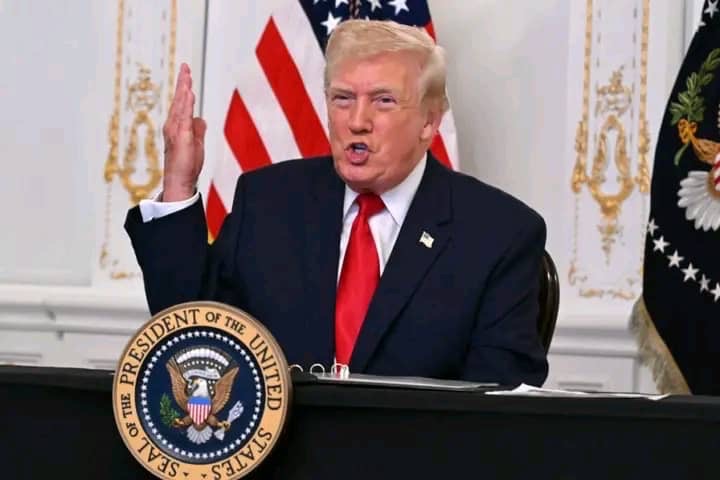
President Donald Trump has announced an extension to the ceasefire with Iran on Tuesday night, stating that the U.S. military would hold off its planned attack to allow more time for Tehran to put forward a proposal to end the war.
Trump said the extension was warranted due to Iran’s government being “seriously fractured,” and that the ceasefire would continue until Iran’s leaders submit a “unified proposal” to end the war with the U.S. and Israel. The move came at the request of Pakistani mediators, with the original truce set to expire on Wednesday.
Trump directed the U.S. military to continue the naval blockade on Iran’s ports and remain “ready and able” to resume the war if needed.
A key concern driving the administration’s position is a suspected significant divide between Iran’s negotiating team led by Parliament Speaker Mohammad Bagher Ghalibaf and Foreign Minister Abbas Araghchi and the country’s military leaders in the Islamic Revolutionary Guard Corps, raising questions about who can ultimately sign off on a deal.
In his reaction, the national security adviser to Iran’s chief negotiator wrote that the ceasefire extension “has no meaning,” arguing that the continuation of the blockade “is no different from bombing and must be responded to militarily.”
Meanwhile, Iran’s armed forces spokesperson declared the country “100% ready” for any surprise U.S. attack.
On the diplomatic front, Iran signaled the closure of newly designed water routes for commercial vessels, saying the channels would remain shut “until the necessary guarantees are provided for the complete lifting of the naval blockade.”
Pakistani Prime Minister Shehbaz Sharif said his country would continue pushing for a negotiated settlement, expressing hope that both sides would reach a comprehensive peace deal.