
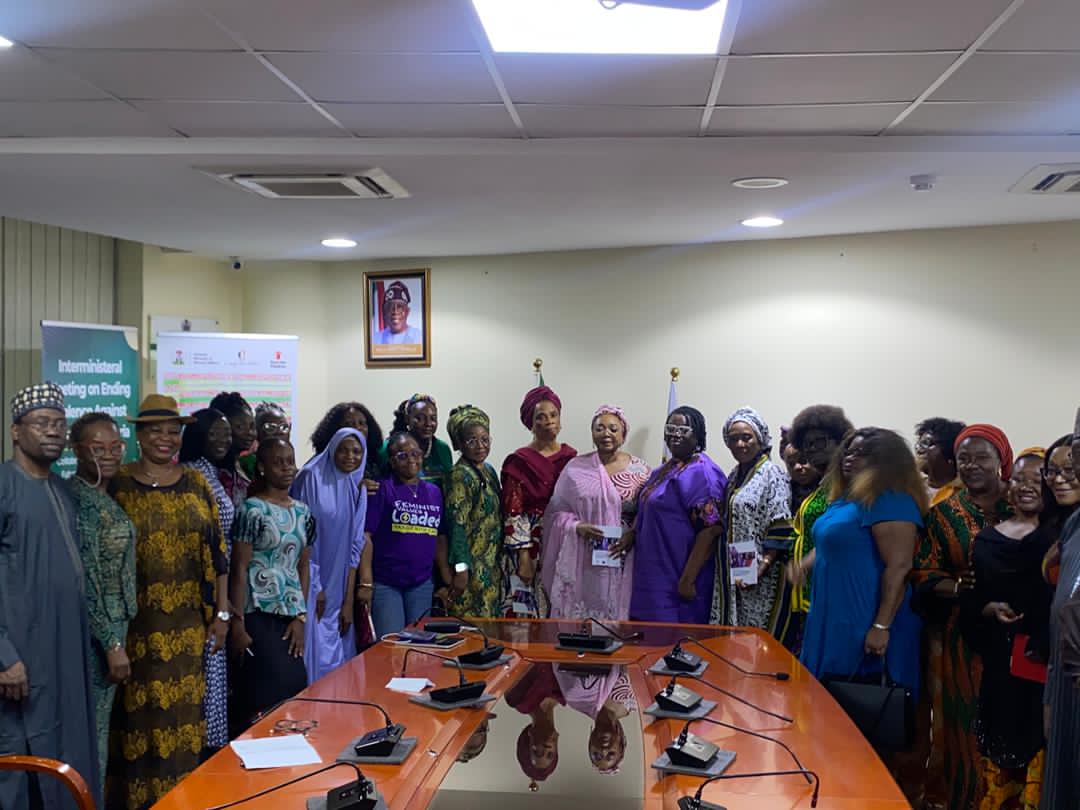
ABUJA, NIGERIA – At an advocacy visit to the Federal Ministry of Women Affairs, women leaders and civil society actors pressed for urgent reforms to protect vulnerable groups, especially displaced women and children.
Receiving the delegation, the Honourable Minister of Women Affairs, Imaan Sulaiman-Ibrahim, acknowledged the growing concerns and reaffirmed government commitment to gender-responsive policies under the Renewed Hope Agenda.
A member of the delegation opened the engagement with a strong call to action, stressing that women’s issues remain critical and demand sustained attention.
She highlighted the rising number of displaced women across the country, describing their situation as both urgent and complex.
Reflecting on her eight-year tenure as a former commissioner, she noted that while progress had been made, including the passage of the Refugee Commission Act to expand access to support systems, much more remains to be done to secure long-term protection and empowerment.

Speaking during the visit, Dorothy Njamenze, a media and development strategist and safeguarding expert, urged stakeholders to move beyond policy discussions to concrete action.
She cited a recent case in Rivers State where a minor survivor of abuse experienced delays in accessing medical and legal care due to weak coordination among agencies.
According to her, “Survivors need health insurance and timely response within the first 30 days,” warning that systemic gaps continue to expose victims to further harm.
She also criticized the practice of forced settlements, noting that it often returns survivors to unsafe environments.
Other members of the delegation expressed cautious optimism, explaining that the introduction of a human protection platform had already begun to attract collaboration from women in business and non-profit sectors.
In the Rivers case, such partnerships helped secure emergency care and temporary shelter for the survivor.
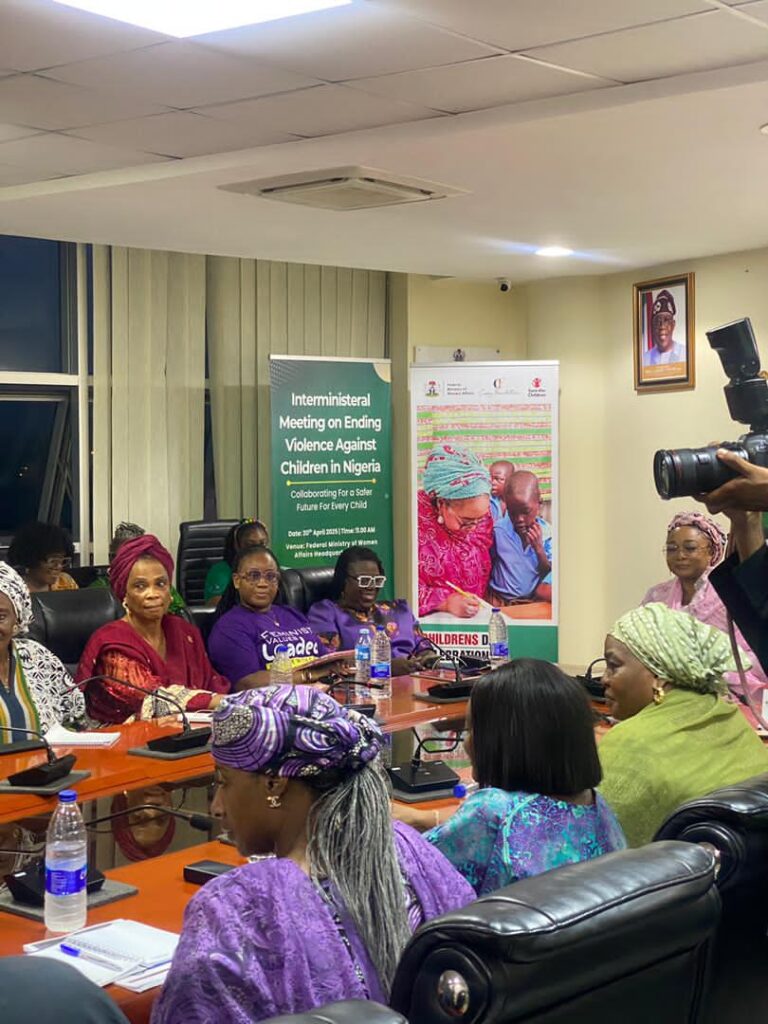
Another speaker emphasized that children must never be treated as adults, linking persistent insecurity to increased vulnerability and long-term trauma among minors.
The meeting ended with a unified call for stronger coordination, increased funding, and sustained collaboration.
Stakeholders agreed that only a collective and structured approach can transform current challenges into lasting protection systems for women and children in Nigeria.
Most Viewed Posts
- Supporting Siminalayi Fubara: Why Rivers People Deserve Continuity Of Purpose In 2027 – Dr William Omuna
- President Tinubu’s Achievements That Strengthen Case For Second Term – Amuna
- Just In: APC Announces Date For Presidential Primary, Fixes Nomination Form At ₦100m
- EFCC Arraigns Gombe Magistrate Over Alleged ₦1.4m Bribery
- Nationwide Relief as Dangote Reduces PMS Ex-Depot Price to ₦699