

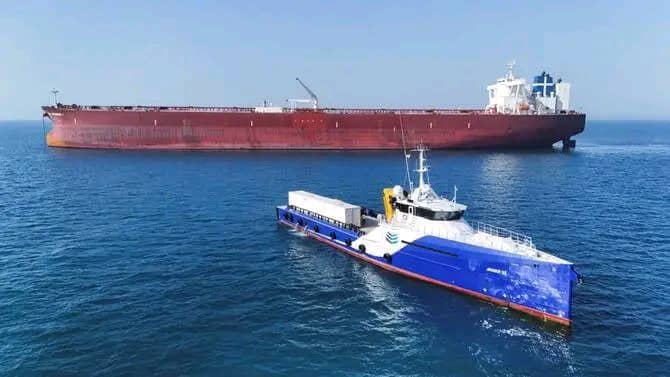
Iran’s Islamic Revolutionary Guard Corps declared Saturday, 18, April, 2026 that the Strait of Hormuz had “returned to its previous state,” with reports emerging that Iranian gunboats fired on a merchant vessel as it attempted to cross the critical waterway.
The IRGC, in a statement carried by Iranian state media, condemned the ongoing US blockade of Iranian ports as “acts of piracy and maritime theft,” asserting that the strait is now “under the strict management and control of the armed forces.” Tehran warned that the closure would remain in effect until Washington restores full freedom of navigation for vessels travelling to and from Iran.
The announcement sent immediate shockwaves through the global shipping industry. By 10:30 GMT Saturday, at least eight oil and gas tankers had attempted to cross the strait, but a roughly equal number appeared to have reversed course after initially heading toward the Gulf exit.
Ship-tracking footage confirm several number of tankers and car attempts tried to exit the waterway but ultimately turned back, with one commodity research director noting they had “clearly not been given approval to pass.”
The renewed closure threatens a waterway that carries a significant share of the world’s seaborne oil and gas supplies. The escalation came just one day after a brief moment of diplomatic optimism unravelled.
Iran’s foreign minister had declared the strait open to all commercial vessels during a ceasefire between Israel and Lebanon, prompting US President Donald Trump to hail it as “a great and brilliant day for the world” even as the US blockade of Iranian ports remained fully in force.
Iran’s reporters on the ground described the situation as one of deep uncertainty, with Tehran demanding not only a lifting of the blockade but also broader concessions including security assurances, sanctions relief, the unfreezing of frozen assets, and resolution of its nuclear dossier before any lasting agreement could be reached.