
Lucky Obukohwo, Reporting
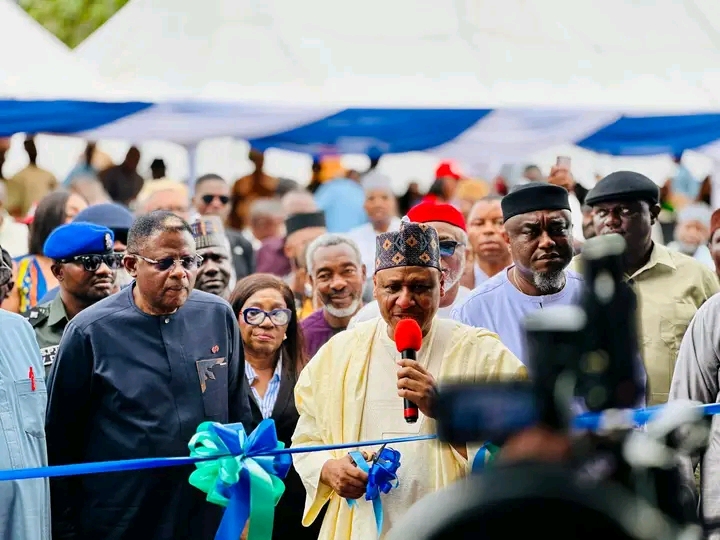
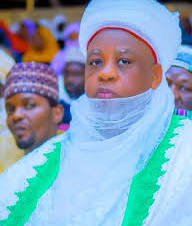
The Sultan of Sokoto, Muhammadu Sa’ad Abubakar, has appealed to Nigerians to have a change of heart and stop associating bandits with Islam, even if they may be Muslims or practise the faith.
The Sultan said linking Islam to terrorism is a misrepresentation of the religion.
He called on the government to unleash the full weight of the law on bandits to restore peace, unity and development in the affected communities.
Speaking as co-chairman at the first meeting of the Nigeria Inter-Religious Council (NIREC) in Abuja yesterday, themed, “Religious Literacy for National Cohesion,” the Sultan said ignorance, illiteracy and poor religious understanding, particularly among some Islamic leaders, are key factors fuelling crises in Nigerian communities often linked to religion.
His words: “Let’s give bandits and terrorists their rightful names and treat them as such. We should stop calling them Islamic terrorists, even if they may be Muslims.
“In Islam, if you take one life, it is like taking the life of all humanity. The Holy Book refers to humanity not Muslims or Christians alone.
“You cannot go to the market strapped with explosives, kill yourself and others while shouting ‘Allahu Akbar,’ and expect heaven. Such a person’s place is hell, not paradise. Terrorists and bandits are criminals and we should treat them as such, not as Muslim criminals or Muslim bandits.”
He further noted that some individuals assume religious authority simply because they can speak Arabic. According to him, proficiency in Arabic does not equate to Islamic knowledge.
“Arabic is a language, not a certificate of Islamic scholarship. Even Christians in Jordan and other Arab countries use Arabic in their religious practices because it is the language of the community,” he said.
The Sultan stressed that religious clerics must be sufficiently educated to speak responsibly about both Islam and Christianity, noting that both faiths share common values. “We must engage one another with trust, confidence and honesty. The fear that Muslims plan to decimate the Christian population in Nigeria should be disregarded.
“More Muslims are killed in this wave of terrorism. When violence occurs in places like Benue or Plateau, Christians are often the victims because they are the majority there. In places like Maiduguri, Kebbi or Sokoto, more Muslims are killed because they form the majority.”
Responding to criticism that Muslim leaders have not spoken out enough, he said: “I have repeatedly condemned these acts in various fora, including statements through the NSCIA and JNI. But some still say it is not enough. Do they expect us to go to the market shouting like mad people? We cannot do that. We speak less publicly but work diligently behind the scenes.”
In his remarks, the President of the Christian Association of Nigeria (CAN), Archbishop Daniel Okoh, who also serves as NIREC co-chairman, described Nigeria as a nation of immense ethnic, cultural and religious diversity, stressing that such diversity could be a source of strength if properly harnessed, but a source of division if misunderstood or manipulated.
According to him: “Religious literacy is not just academic knowledge of doctrines or rituals. It involves awareness, sensitivity and respect for others’ beliefs and practices.
“It equips individuals and communities to engage constructively across differences, challenge stereotypes and resist divisive narratives. It is a tool for building bridges of understanding, tolerance and peaceful coexistence.”
Archbishop Okoh noted that NIREC has remained a vital platform for dialogue, conflict resolution and mutual understanding among faith communities.
He called for religious literacy to be integrated into education, public discourse and community engagement. “Our schools must not only teach faith but also foster respect for others. Places of worship should promote peace, unity and responsible citizenship.”
He reaffirmed CAN’s commitment to working with Muslim communities and all people of goodwill to build a nation where diversity is respected and every citizen feels safe and valued.
Secretary to the Government of the Federation (SGF), Senator George Akume, while declaring the event open, recalled that NIREC was established to promote dialogue, understanding and sustainable peace.
He called on stakeholders, including schools, faith communities, universities, media organisations and public institutions to work together to raise a generation of Nigerians who understand their own faith, respect others and uphold shared national values.