
One of my major reasons for advocating and clamouring for an Edo Central governorship since the departure of Professor Senator Oserheimen Osunbor from office in 2008 was the need to ensure a more equitable distribution of development across Edo State. My conviction has always been that every senatorial district deserves a fair share of government presence, infrastructure, and institutional development.
Since the advent of the current democratic dispensation in 1999, Edo Central has witnessed comparatively few new government institutions, major infrastructural projects, or significant rehabilitation of public facilities. For many years, several communities in Esanland remained largely overlooked in terms of development despite their contributions to the growth and progress of Edo State.
This reality was one of the reasons many of us consistently argued that political inclusion should translate into developmental inclusion. Development should not be concentrated in a few urban centres while other communities remain on the margins. Every citizen, regardless of geographical location, deserves access to infrastructure, public services, economic opportunities, and government presence.
Today, however, we are beginning to witness a different reality. Roads are being constructed or rehabilitated across several parts of Esanland, including the Udomi to Uromi Road, Ekpoma to Ujogba, Ewoato to Ewohimi, Ewu to Ujagben, and numerous internal road networks that are opening up communities and strengthening connections between Esanland and other ethnic nationalities within Edo State.
As a contemporary Esan man, I am happy. The Esan people are happy. Many people of goodwill across Edo North, Edo Central, and Edo South are equally pleased with these developments. More importantly, I believe this is only the beginning.
If it takes an Esan Governor for the wider world to recognise communities such as Udomi, Onewa, Udakpa, Egoro Naoka, Gbonumagba, Ikekhen, Amahor, Oguah, Emu, Okhuesan, and many others that have long existed but remained largely neglected, then this demonstrates what genuine inclusion, equality, and diversity look like in practice.
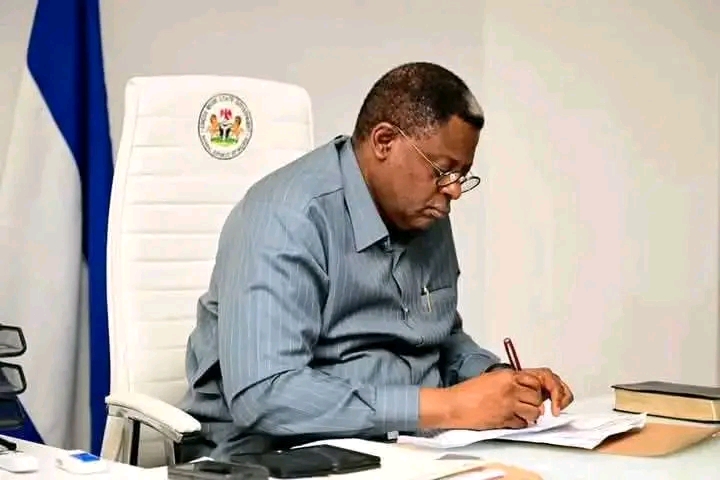
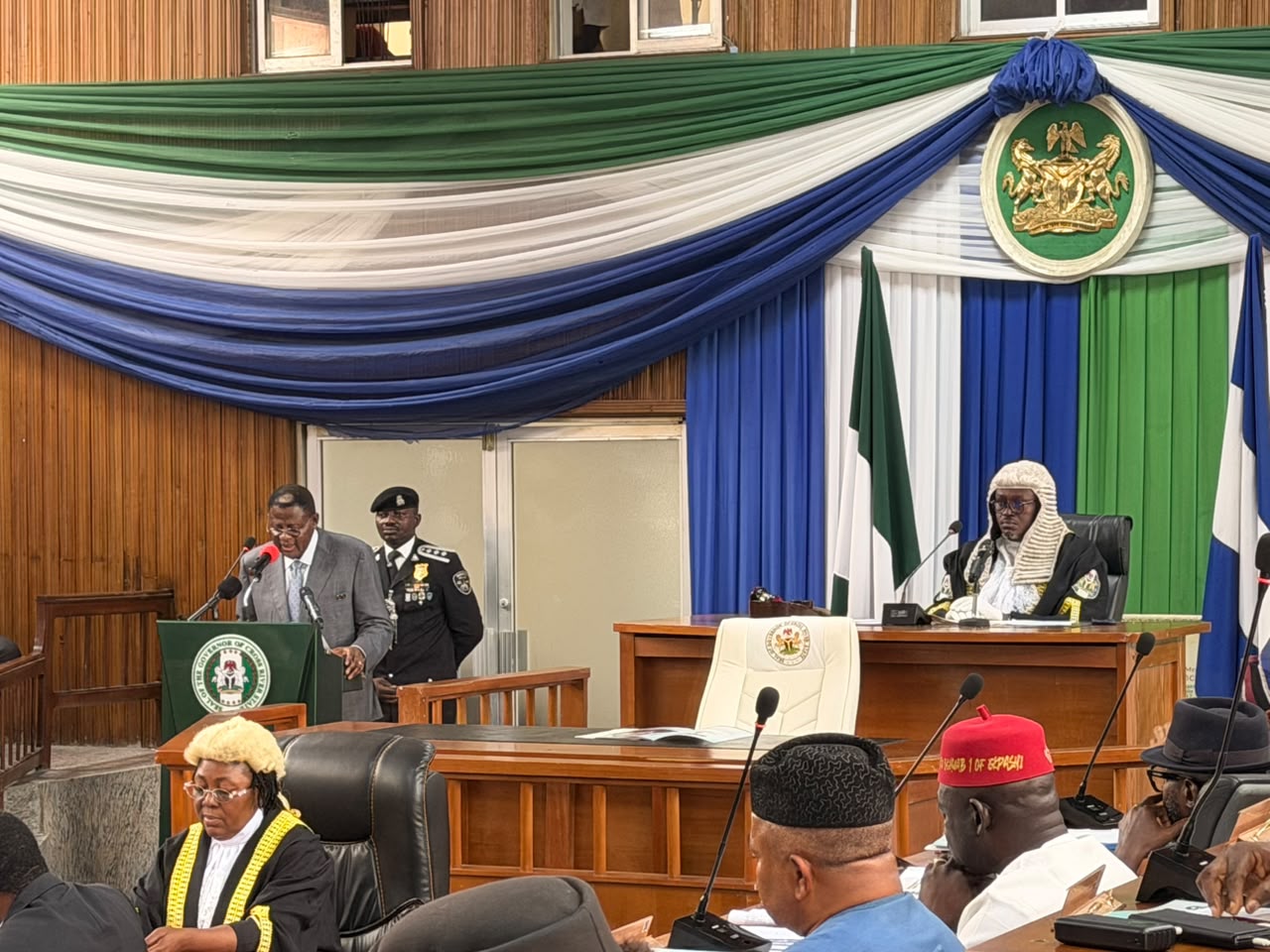
For this reason, I believe the Government of Edo State under the leadership of Senator Monday Okpebholo deserves commendation for its commitment to extending development to previously underserved communities. The emergence of visible infrastructure in places that have suffered neglect for decades should be welcomed by all advocates of balanced development, regardless of political affiliation.
It is important to state that this is not a time for politics, political campaigns, or partisan sentiments. It is a time for truth, fairness, and an honest assessment of realities on the ground. When communities that have experienced neglect for more than twenty five years begin to witness road construction, infrastructure upgrades, and renewed government attention, such developments should be acknowledged and celebrated irrespective of who occupies political office.
The facts must be presented as they are. Many communities across Esanland that were previously overlooked are now experiencing visible improvements and a renewed sense of inclusion in the development agenda of the state. This reality should be made known not only within Edo State but throughout Nigeria and beyond. Recognising progress where it exists does not diminish the need for further development. Rather, it encourages governments at all levels to continue investing in neglected communities and ensuring that no part of society is left behind.
As a student of International Studies and Diplomacy and a United Nations Peace Ambassador, I am mindful of the principles enshrined in the United Nations Millennium Declaration. Paragraph 6 of the Declaration, which established the foundation for the Millennium Development Goals, states:
“No individual and no nation must be denied the opportunity to benefit from development. The equal rights and opportunities of women and men must be assured.”
Furthermore, under the section on Development and Poverty Eradication, world leaders resolved:
“To ensure that, at the national and global levels, our policies are designed and implemented with a view to targeting the needs and interests of the poorest and most vulnerable.”
These principles underscore the importance of inclusive development and the equitable distribution of public resources. Development is not merely about constructing roads or buildings; it is about ensuring that every community feels a sense of belonging within the larger political and economic framework of society.
I am convinced that the current leadership of Edo State appreciates these global standards and is demonstrating a commitment to ensuring that development reaches every corner of the state. The ongoing infrastructural expansion and increased government presence across Edo Central suggest a government that is development oriented, people centred, and committed to ensuring that no community is left behind.
The true test of leadership is not how much development is concentrated in already privileged areas, but how effectively opportunities and resources are extended to communities that have historically been overlooked. This is why the ongoing transformation of many Esan communities deserves recognition and encouragement.
For this, I commend the Government of Edo State and encourage it to remain steadfast in its efforts to promote balanced, sustainable, and inclusive development across all parts of the state. The people of Edo State deserve nothing less.
Deacon Ambassador Darlington Okpebholo Ray
Media and Political Strategist, Publisher, and Human Resource Professional
Fellow, British Association of Journalists (BAJ)
Associate Member, Chartered Institute of Personnel and Development (CIPD), writes from
London, United Kingdom